




Loving my life on the land

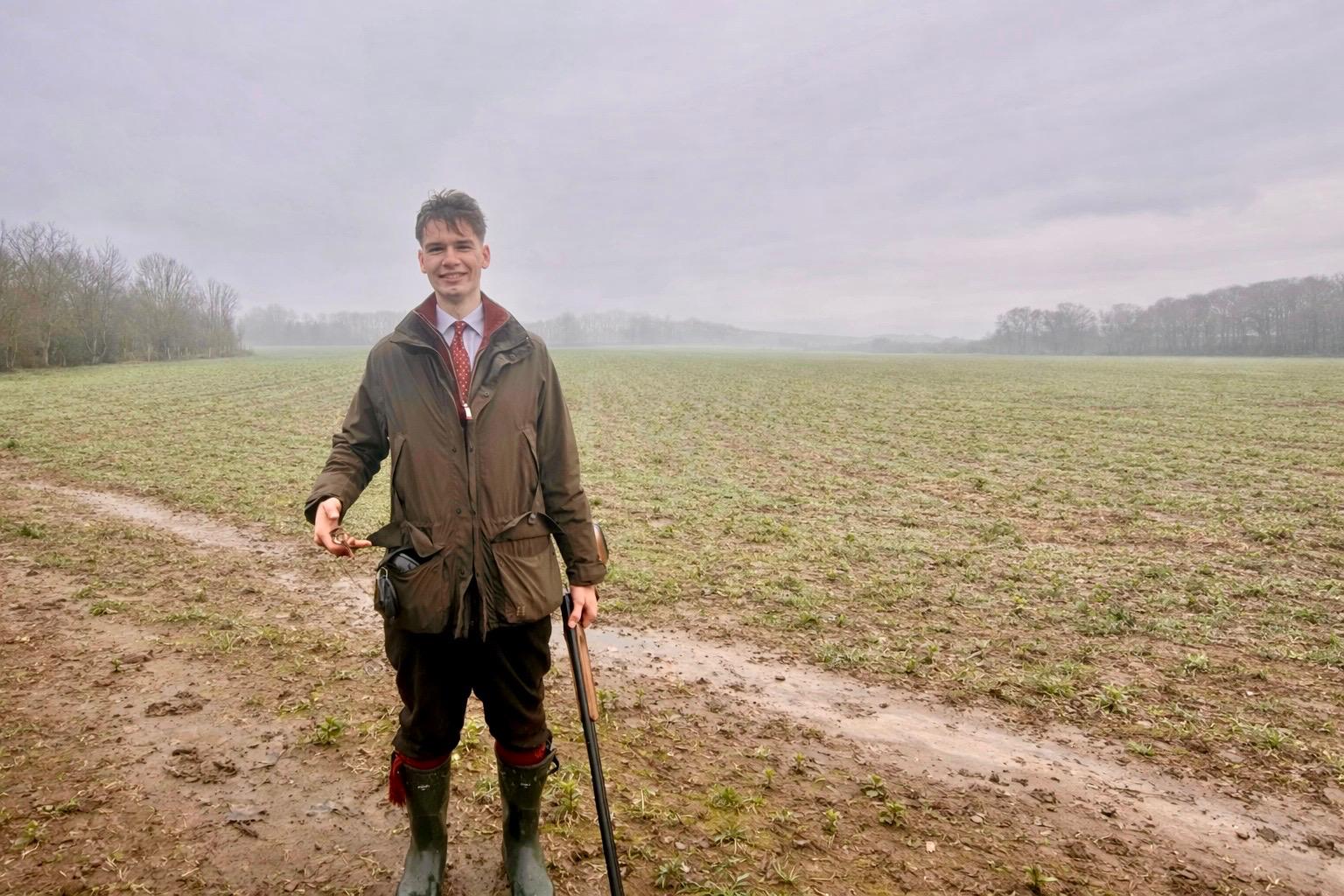
GROWING up in the countryside outside Ripon, Nathan Callaghan always knew he wanted to work in the great outdoors.
“I wanted to do something that was based outside and rurally, I never wanted to be stuck in an office,” he says.
After taking A-levels in geography, biology and politics at RGS in 2025, he won a degree apprenticeship with land agents GSC Grays.
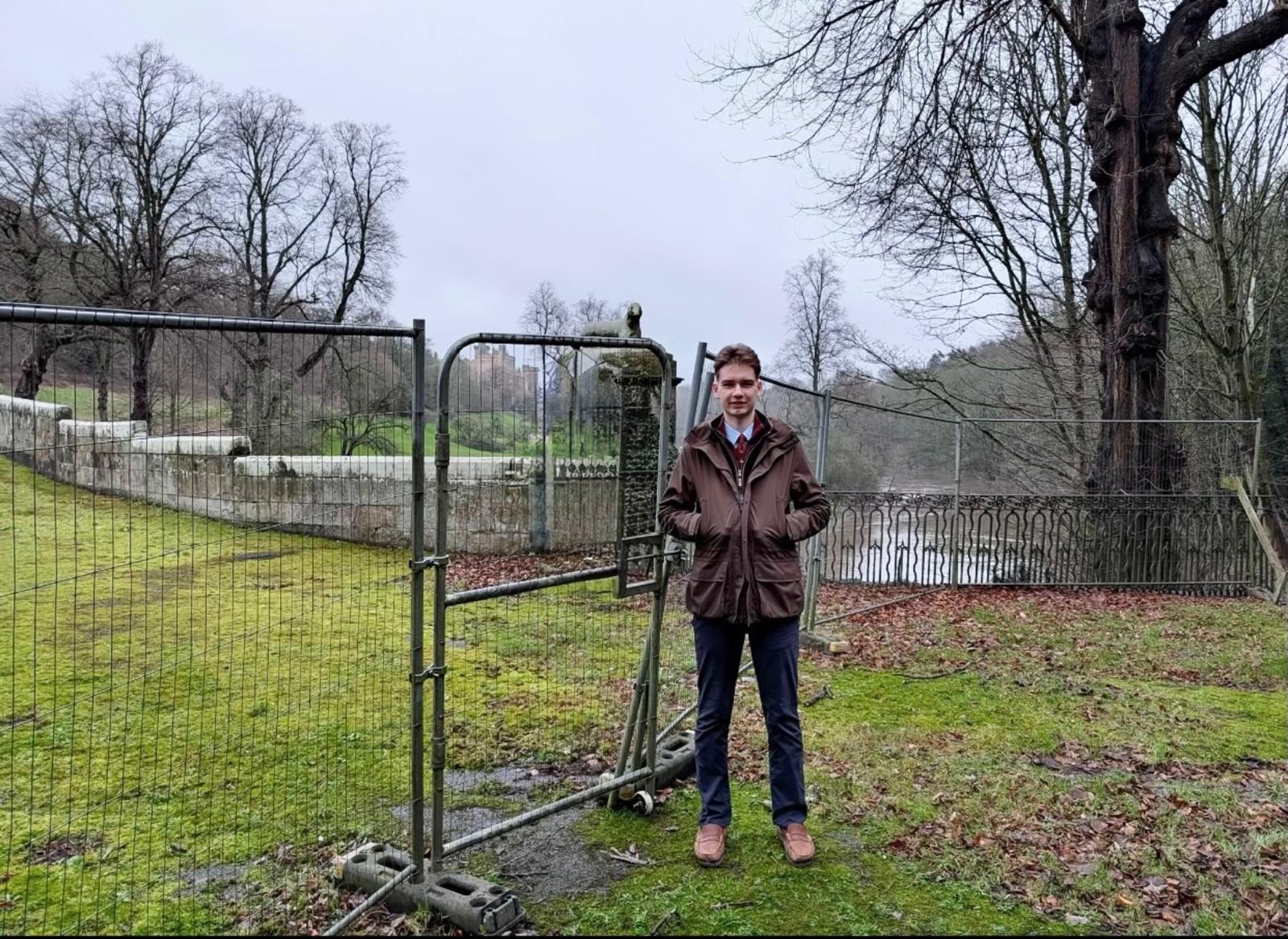
He explains how he has landed on his welly-clad feet, currently working on the Lambton Estate, where he lives in his own cottage in the historic park grounds.
“I always wanted to continue living in the countryside but hadn’t quite worked out how to fund the lifestyle I loved – being outside as much as possible, shooting and going to the pub.
“Funnily enough, my job now is comprised of all those things.”
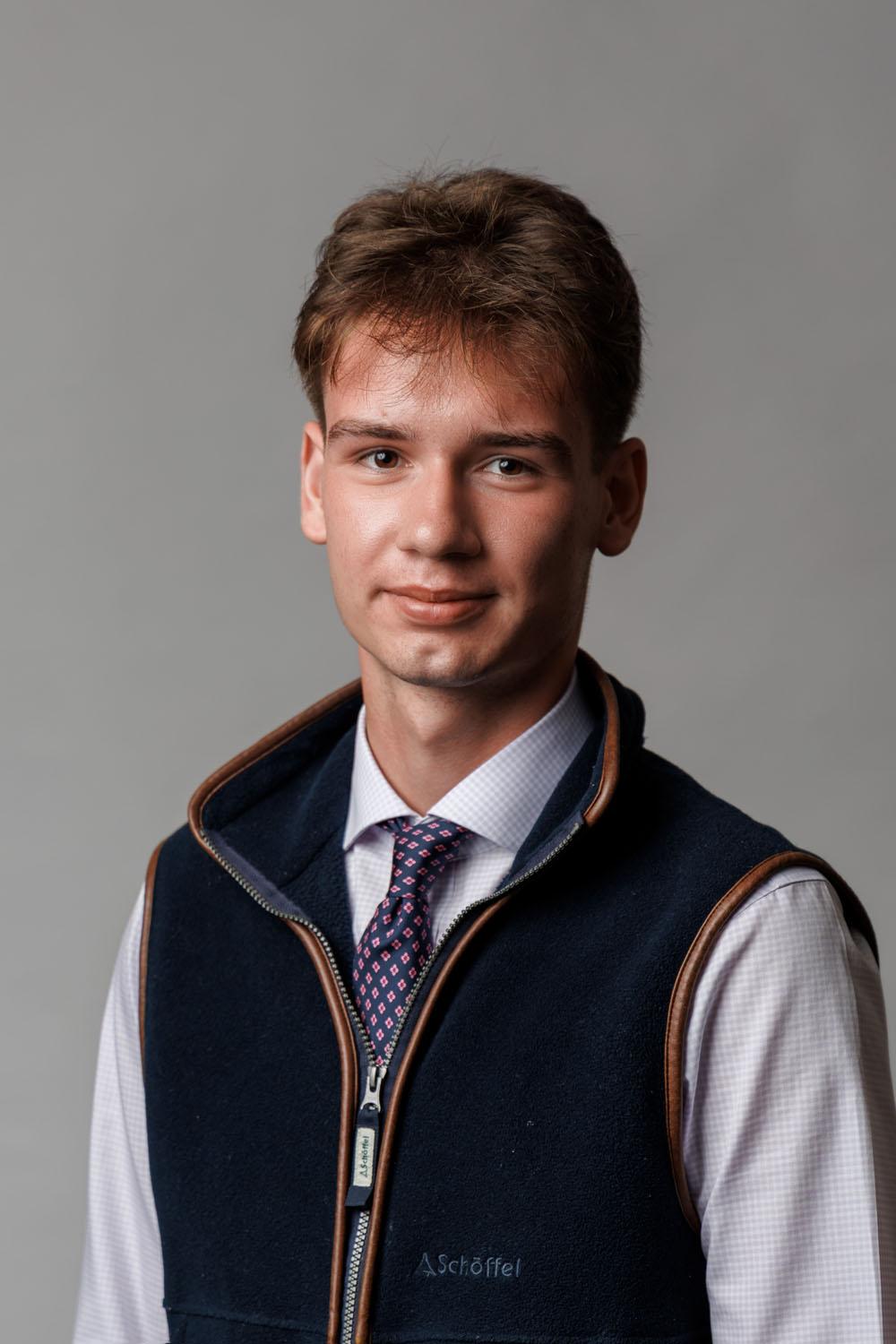 On a five-year apprenticeship course, Nathan, 18, is training as a land agent while attending Harper Adams University once a month.
Although not from a farming background, it was through gaining varied work experience with chartered surveyors, land and estate agents and gamekeepers that opened his eyes to the host of opportunities available to him.
“Once I got the chance to visit farms, learning about robotic milking machines, biodiversity assessments and agricultural building conversions, plus learning about the sporting side of the job in gamekeeping, I was sure this was what I wanted to do.”
When he was taken on as an apprentice land agent by GSC Grays, he says, everything fell into place.
“My degree is paid for, I have clients of my own, a house on the estate I work on and a good balance of university and work life. It took weeks of phone calls and emails, but it was all worth it.
“The job blends my interest in shooting and rural England with work, it has a good split of office-based work and estate and farm visits and is incredibly sociable,” he says.
“Oddly, I was never keen on having a sociable job but that changed through my time at RGS and now speaking to people is a large part of what I do. Communication is key and a huge part of the work.”
Currently working in GSC’s planning and development team, Nathan will change departments within the company once a year.
“I don’t think there is a typical day in this job,” he says. “Every day is different and that’s exactly what makes it so interesting.
“One day I may be on a construction site valuing works completed so far and attending meetings with architects and project managers on design codes and development progress.
“On another day I could be walking miles around the estate assessing works that need to take place to implement new footpaths or works that need to take place to restore a listed building to a new purpose.
“There are a lot of phone calls with clients and a lot of emails to tenants in order to try to resolve any issues they may raise.”
The highlights of the job are getting clients of his own and seeing projects through to completion, he says: “It’s about gaining more autonomy. Carrying out a construction valuation of a development site was a steep but interesting learning curve and getting a compensation claim paid for a farming client was a fulfilling feeling after the hassle they had been through.”
The best bit about his role is the variety, he says: “No two days are the same, and I can get out and about a lot. I’m involved in some interesting and unique projects; some of which that are worth multiple millions of pounds.
“It’s rewarding to see these projects develop and see the impact that I have had within those, however minor.”
He confesses, though, that things can get stressful when the workload for multiple projects builds up: “It gets busy, but when you get on top of things it feels good to know you met deadlines regardless of pressure.”
But none of it is anywhere near as stressful as the challenge he faced when his father was diagnosed with a rare strain of dementia, called PCA, during Nathan’s A-levels.
“Fewer than five per cent of patients have this strain. The consultation process and diagnosis were hard to get through. It was a bit of a rollercoaster; however, he managed to stay positive through this process and we eventually became closer because of it.
“It’s still a struggle trying to balance making the most of time with him now that I have moved out into my own house for work, but it’s been a learning curve that I am figuring out how to juggle.”
Looking back on his time at RGS, Nathan wishes now that he’d known just how helpful people are when you reach out.
“So many people are willing to teach you things and offer you opportunities. You will always get rejections, but more people are willing to help you than you might imagine, you just need to take the initiative to ask.
“I always thought there would be a barrier to me going into the agricultural sector not being from a farming background and that put me off this sort of career for a long time. But that isn’t the case if you’re sociable and passionate - I think that’s important for people to know.”
His advice to current students interested in a similar career path is: “Go to the pub, speak to people, ask companies to take you on for work experience, try and start conversations with representatives on stands at agricultural shows - you will end up speaking to people from all walks of life and the better you are at having conversations with new people the easier this will be.”
His dream is to progress into the rural sporting sector of land agency: “I’m really interested in moorland management and keeping traditions alive alongside the pressures of sustainability and our increasingly urban world.”
One day, he’d love to own some shooting rights and, eventually, a pub: “The prospect of cheap Guinness makes that a particularly attractive option.”
In the meantime, he does confess that running his own home – a two bedroom cottage complete with fitted kitchen and a living room with woodburning stove – for the first time at just 18 years old remains a challenge.
“I haven’t quite got the hang of being an adult yet, I have left the stove on overnight, flooded the kitchen with the dishwasher (twice), and I’ve not quite figured out how to use the boiler. I’ve come home to a six-degree house more times than I would care to admit. But it always seems to work out fine in the end and makes for a good laugh, so I can’t complain.”
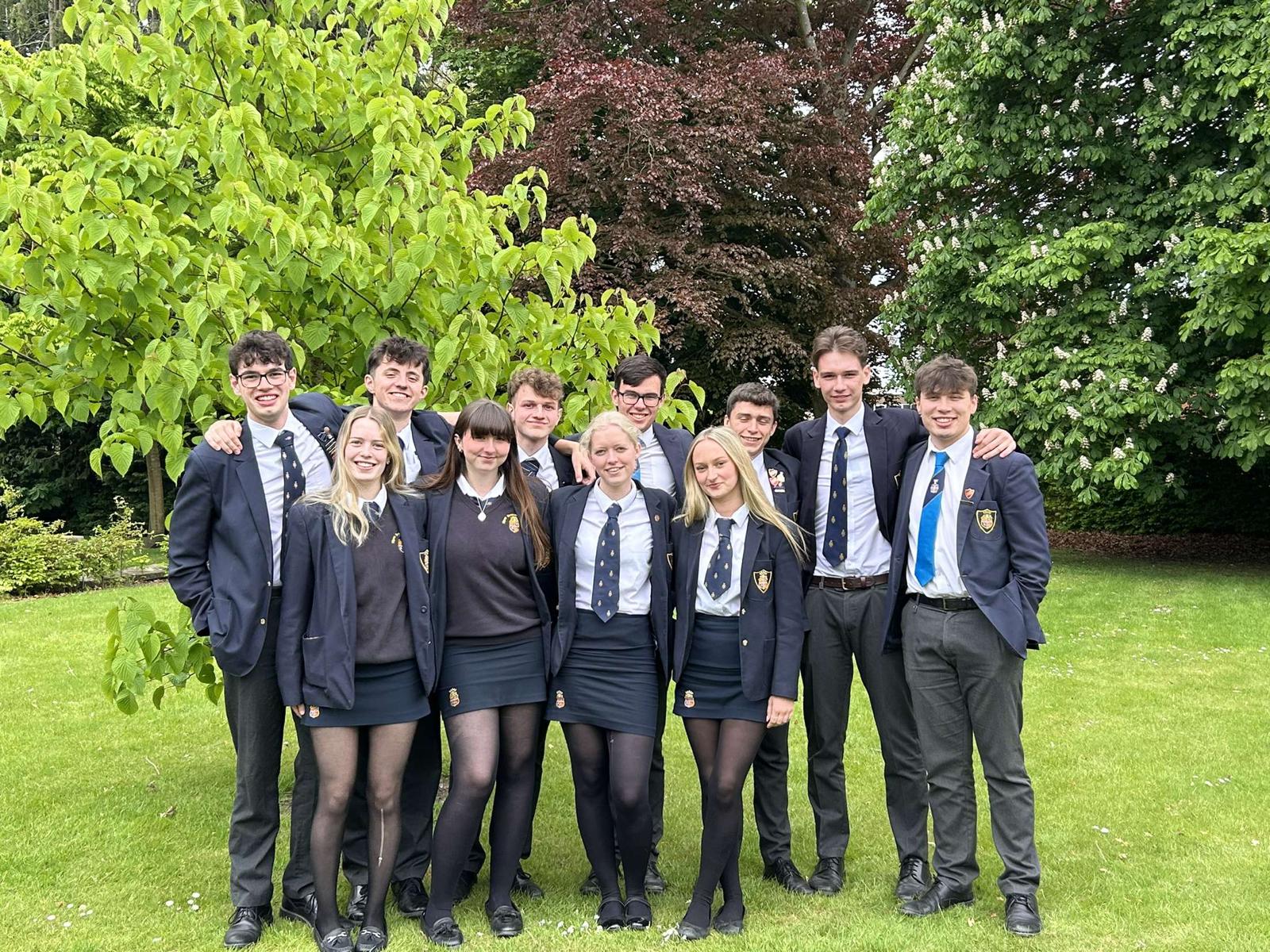
Q: What was the most important thing you learnt at RGS?
A: Ask questions, don’t be afraid of failure, show you have a passion for what you want to do and appear confident even if you’re not. Passion and a willingness to learn can get you far, you don’t need to know everything. More people are willing to teach you things and offer you opportunities than you might imagine, you just need to take the initiative to ask.
Q: Who was your favourite teacher and why?
A: All of the geography teachers, not that the Iceland trip swayed that opinion at all.
Q: What do you miss most about RGS?
A: The lack of responsibility, not going to university full time you soon realise how busy things can get, A-levels are said to be the busiest you will be but being around your friends every day and having Wednesday afternoons off is something that you don’t get once you start work. I’m already missing the length of the school holidays. Juggling a social life, deadlines and hobbies make A-levels feel much less stressful, it’s busy but it is do-able and I wouldn’t change it.
Q: What extra-curricular activities were you involved in while at RGS and how valuable were they?
A: I started sailing and shooting a lot more during my time at RGS, as well as backpacking with my mates through Scotland and the Lake District. It was always a good break from revision and the rural nature of my hobbies tied in well to making connections within the rural sector I now work in.
Ripon Grammar School, 16 Clotherholme Road, Ripon, North Yorkshire, HG4 2DG
Tel: 01765 602 647
E: admin@ripongrammar.com


