




Modern language debaters win through to national finals

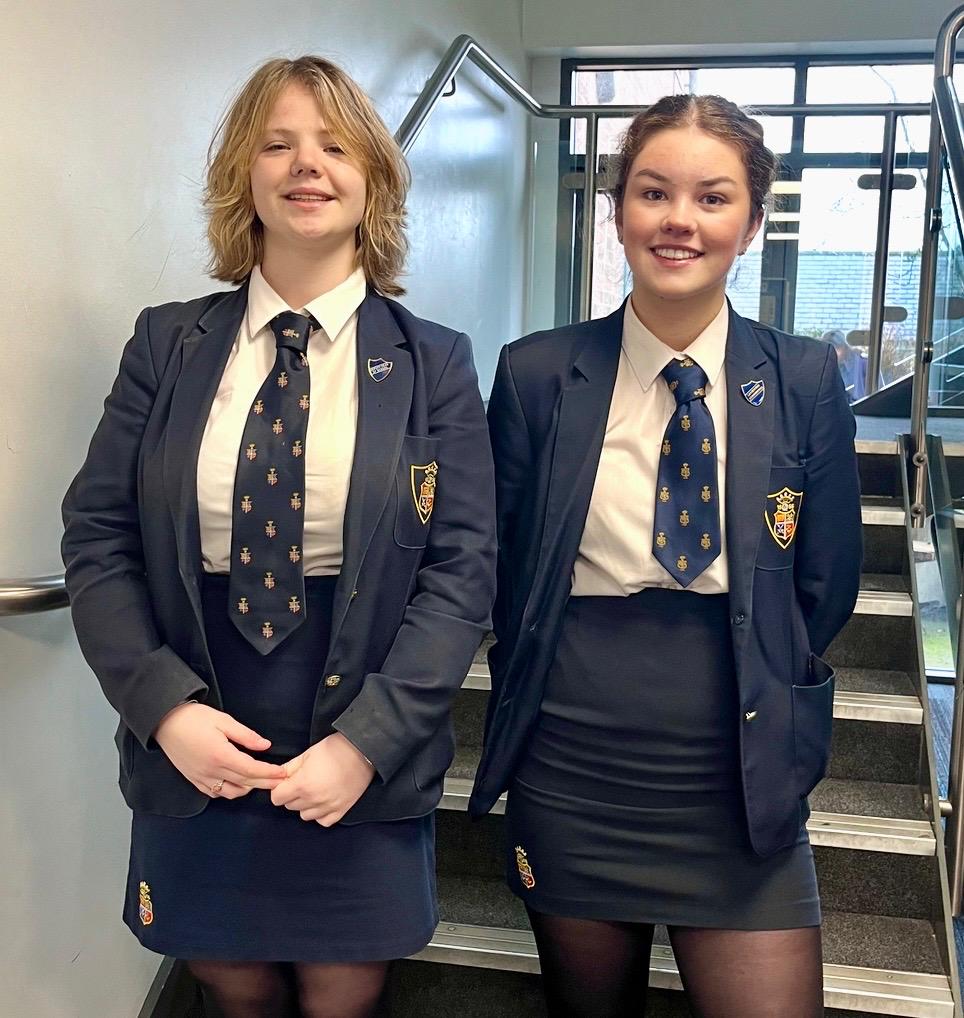
RIPON Grammar School students impressed judges in a prestigious modern foreign language debating competition, where they came away with the top prize for French and a place in the national final.
Nancy Manners and Lottie Whyte will compete against some of the best young linguists in the country at the Institut Français at the end of March.
Up against tough competition from 14 other schools at the regional event held at St Peter’s School in York, Nancy and Lottie’s excellent language skills gave them the leading edge.
They had to speak about and debate three motions about mobile phone bans for under-16s; whether travel is the best way to learn about culture and which is more important, the arts or sciences.
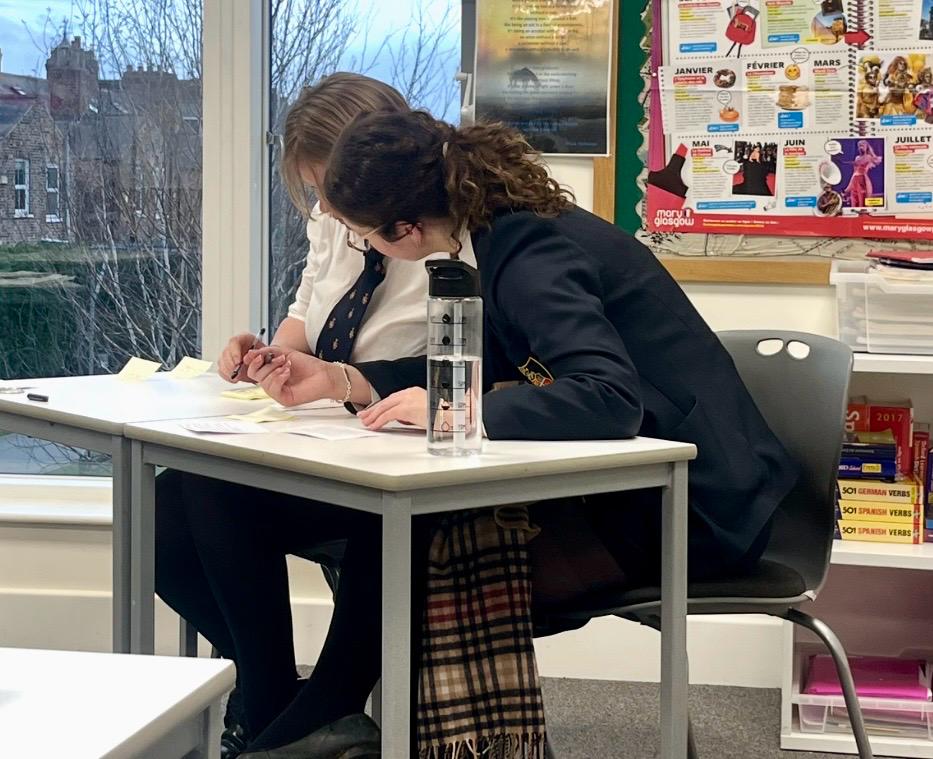
Making well-reasoned points, countering arguments and thinking on their feet in French, they successfully won through to the final, where they had just 15 minutes to prepare to debate on why celebrities are not good role models for children.
Other RGS students also won individual debates in Spanish and German, all of which were adjudicated by staff and students from the University of York.
The Spanish team – Year 12 students Lola Maybank and Amelia Smith – performed well, winning one debate and narrowly losing the other, with the judge calling Amelia the ‘main attraction’ in their first debate.
The German team – Year 13 students Annabel Cochrane and TJ Gurney - reached the semi-finals.
Working in pairs, students had to prepare both sides of each motion and were judged on the quality of their arguments and language as well as the spontaneity of their debating.
Boarding student Lottie, 17, from Leyburn, said: “It was something I’d never done before in English, let alone in French, so it ended up being a really interesting and surprisingly rewarding experience. In the end, I enjoyed it much more than I thought I would so I'm really glad I had the opportunity to go.”
She told how they prepared: “We researched arguments for and against each motion separately, looking for statistics and real examples to support our points.
“Then we split the work between us and built a clear structure for our two‑minute speeches. After that, we shared our drafts with each other and did timed practices.”
Ripon Grammar School, 16 Clotherholme Road, Ripon, North Yorkshire, HG4 2DG
Tel: 01765 602 647
E: admin@ripongrammar.com


