




STAFF BLOG: Why singing is at the heart of Ripon Grammar School life

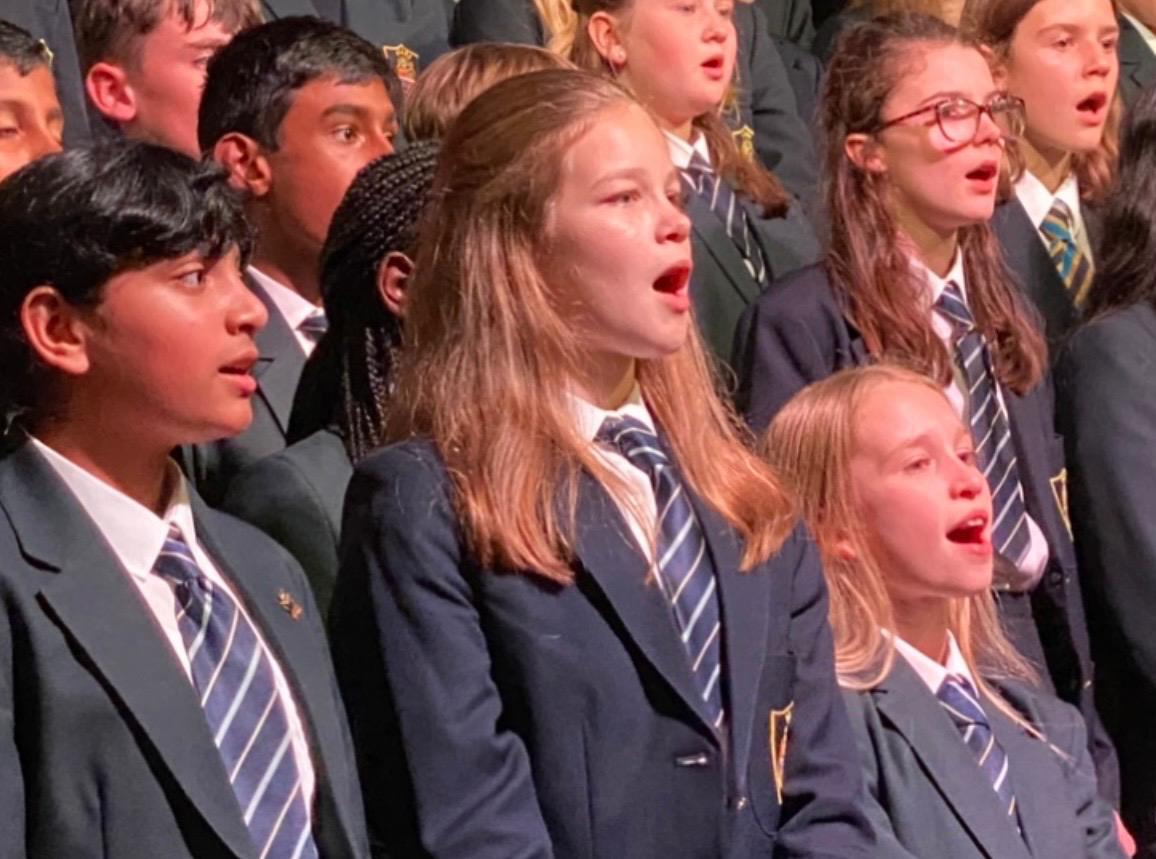
RGS director of music MICHAEL BARKER reflects on why RGS continues to champion choral music at a time when it is disappearing from many state schools
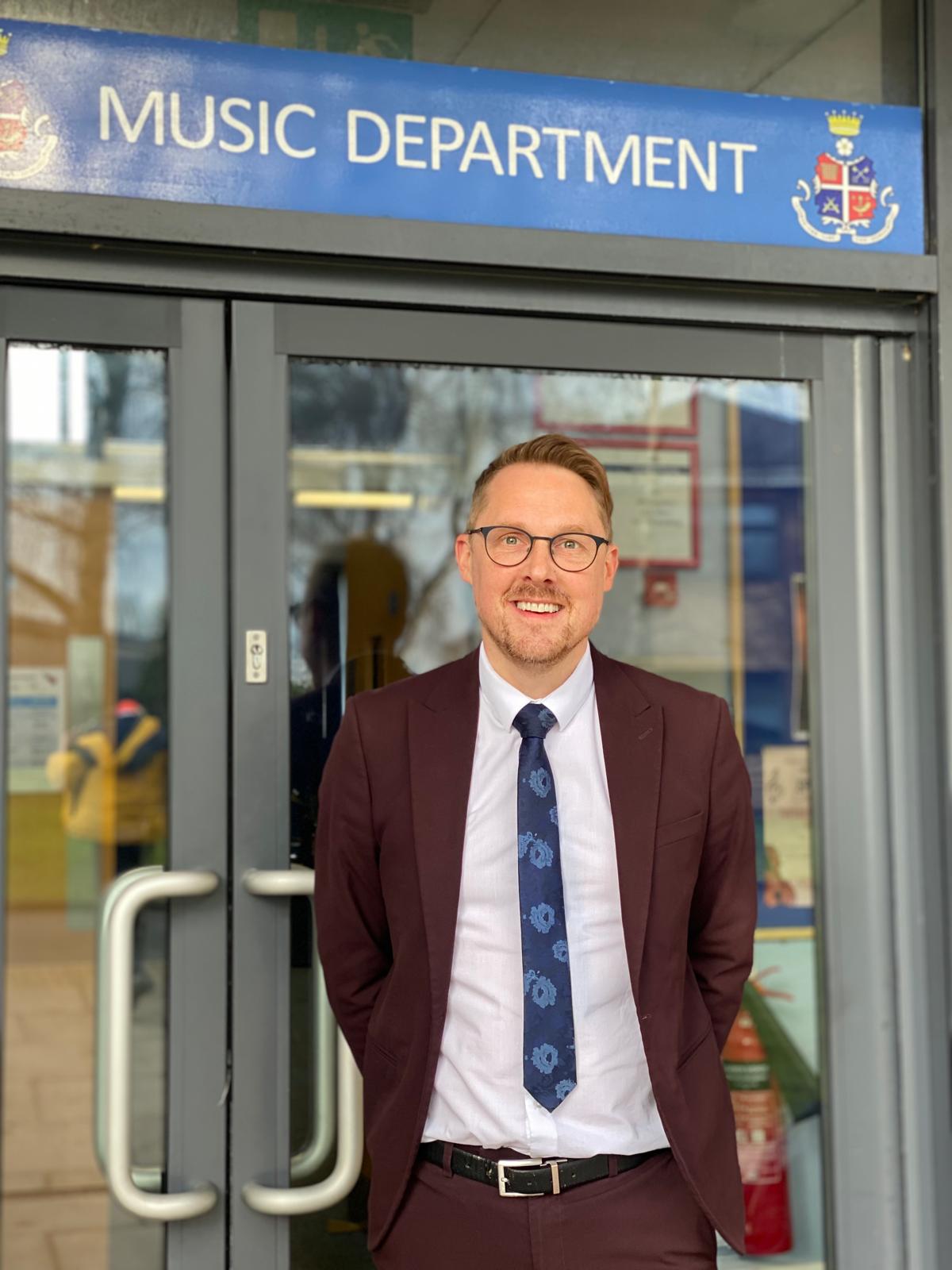 WHILE a new survey reveals choirs are becoming less common in state schools in England, at Ripon Grammar School singing remains a central and celebrated part of school life.
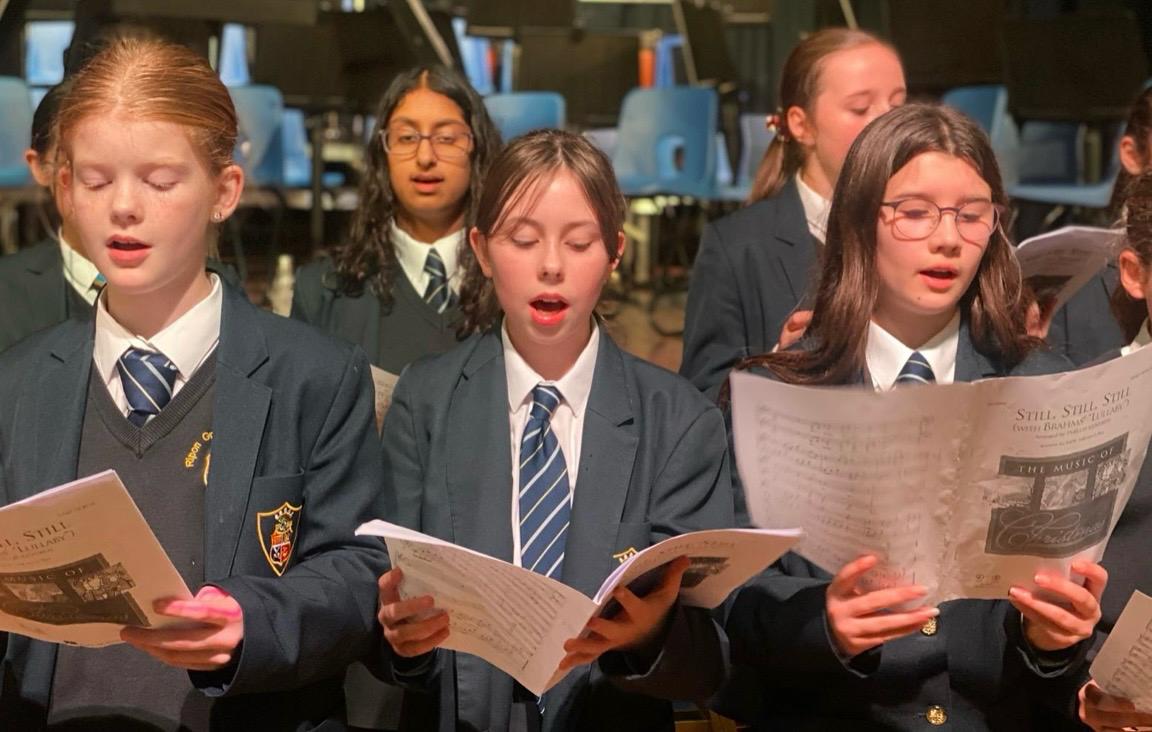
Proudly bucking the national trend, we invest heavily in choral music, offering a host of opportunities that allow students to develop both musically and personally.
More than half of state secondary school teachers (57%) say their pupils never sing in assembly, with just over one third (36%) of the 10,000 teachers recently surveyed for Teacher Tapp revealing that their school has no choir.
Having access to multiple choirs is even rarer in the state sector, with 73% of teachers saying they have only one choir, compared to 23% in the private sector.
RGS is home to four:
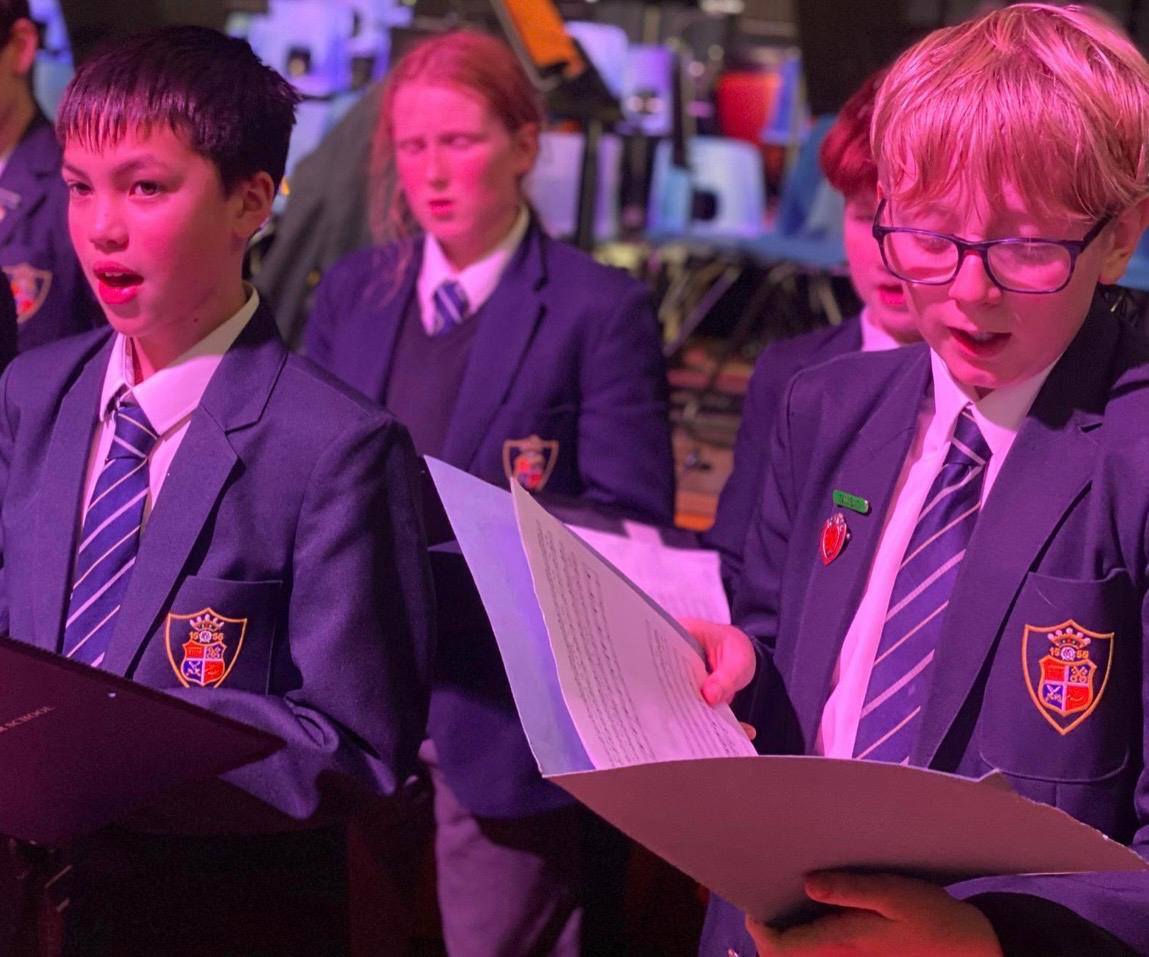
*Man Choir, open to boys of all ages
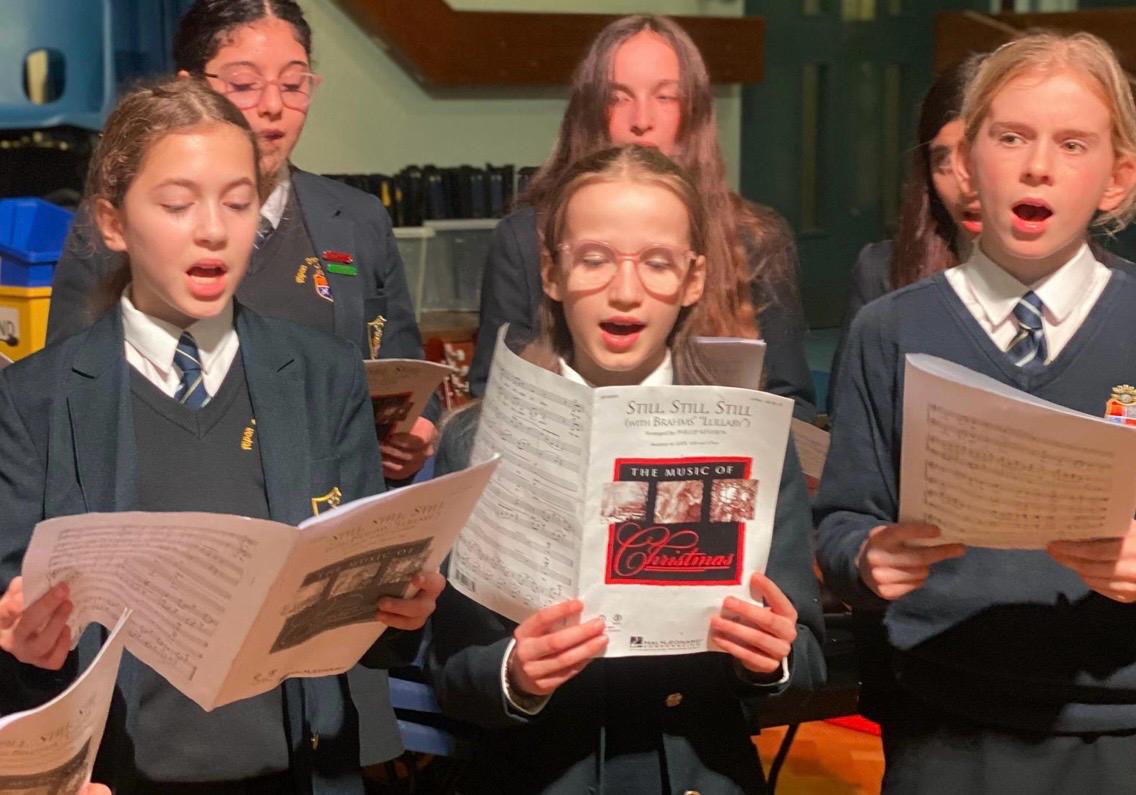
*Musicality, for boys and girls in Years 7 to 9
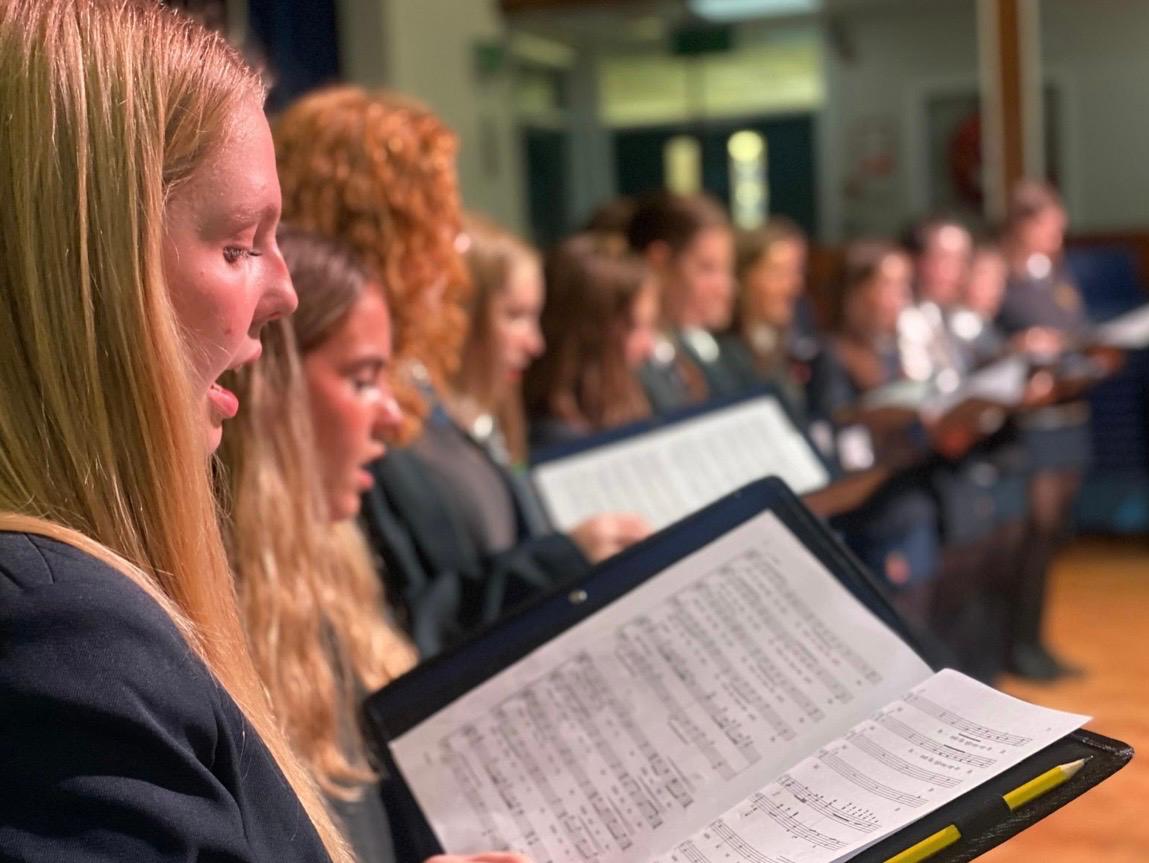
*Senior Girls’ Choir for girls in Years 10 to 13
*Chamber Choir, an auditioned ensemble drawn from committed singers in the senior choirs.
In total, more than 100 students sing regularly in our choirs – more than 10% of our student population.
So why is RGS so different?
Our choirs reflect our long-standing tradition of musical excellence. Students quickly see the relevance of music, not only as a creative outlet but as a demanding and rewarding discipline.
Singing offers something to strive for: the challenge of improving with every rehearsal and every performance.
From the very start, students are encouraged to get involved, to be proud of their talents and to share them. Careful repertoire choice is central to this – selecting music that suits the singers while stretching them, highlighting individuals who are excelling and giving everyone something to aim for.
Singing is part of our daily life at RGS. Across the year, including our instrumental ensembles, we rehearse for up to ten and a half hours each week, before school, at lunchtimes and after school, which can be particularly challenging when we’re preparing to stage our musical.
These rehearsals are busy, purposeful and, above all, supportive. They provide students with a welcome release from the pressures of assessments and exams and a space where they can focus, collaborate and enjoy making music together.
We see the benefits, which go far beyond relaxation, across the board. Music builds confidence, resilience and discipline, but it should never be seen only as a way to de-stress. It is a subject in its own right, with intrinsic value.
Many of our highest-achieving students are also musicians, and it is no coincidence that our head boy and girl are often involved in music. To be a musician requires regular commitment, perseverance and the courage to face challenges – qualities that serve students well across school life and beyond.
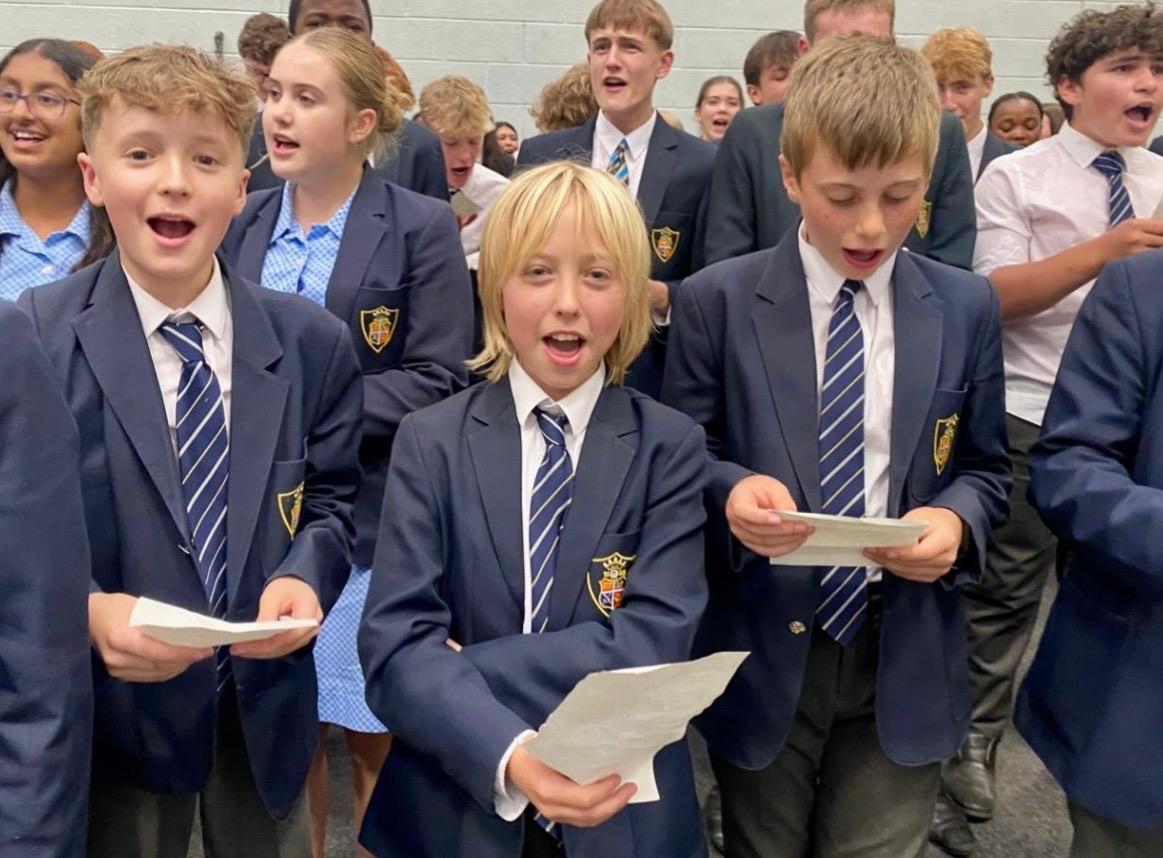
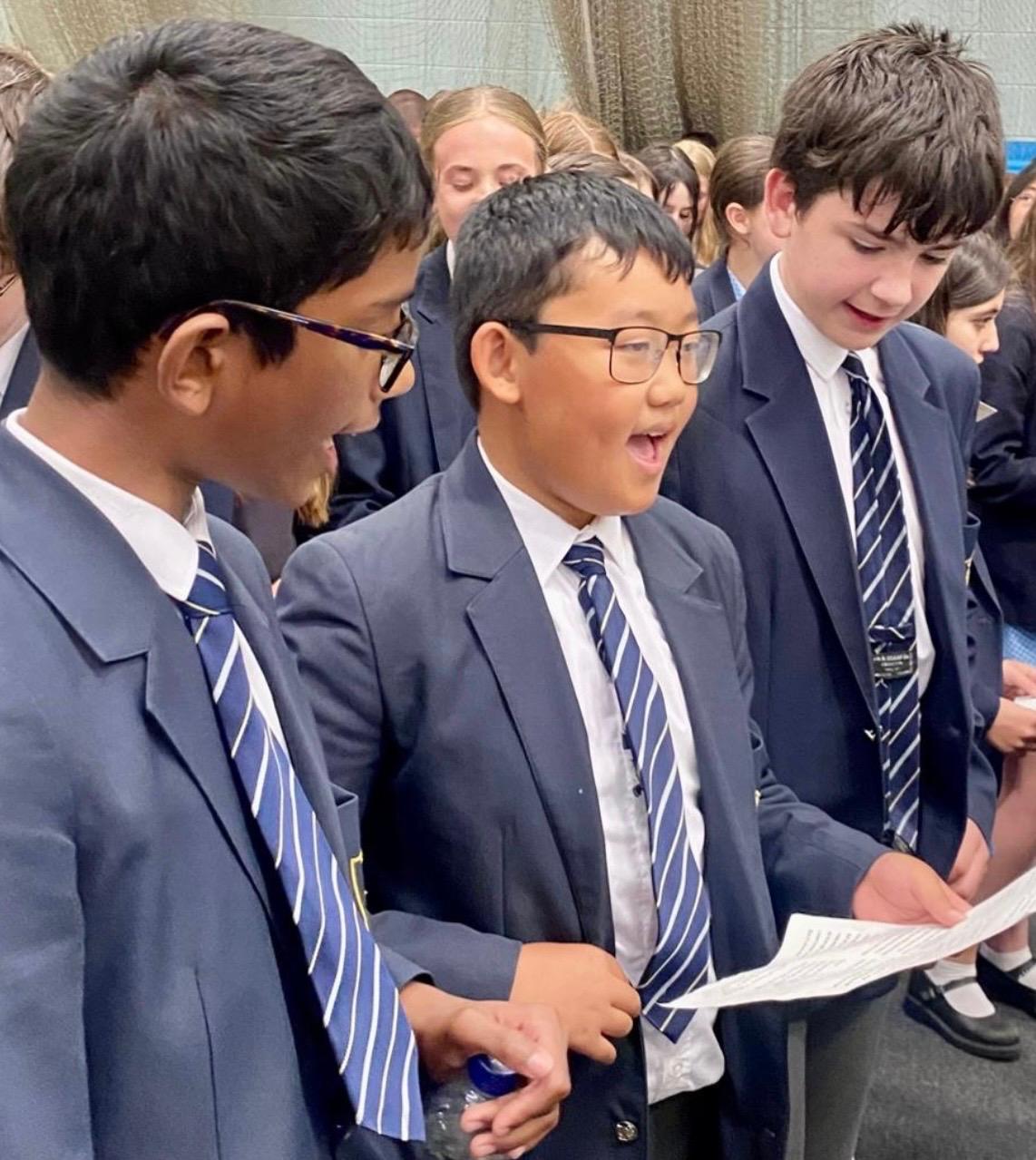
We place particular emphasis on singing from the moment students arrive in Year 7. Teaching vocal skills early helps break down barriers that may have formed in primary school and reinforces the message that singing is for everyone. If you can speak, you can sing. It is always striking to see shy students come alive during the singing module, discovering a new confidence through music.
For our younger students, choir provides instant community. Year 7 singers often form strong friendships with sixth formers they may not otherwise meet, seeing them as role models. Rehearsals aim to stretch those who are capable while remaining a safe, encouraging environment where everyone can contribute to something bigger than themselves.
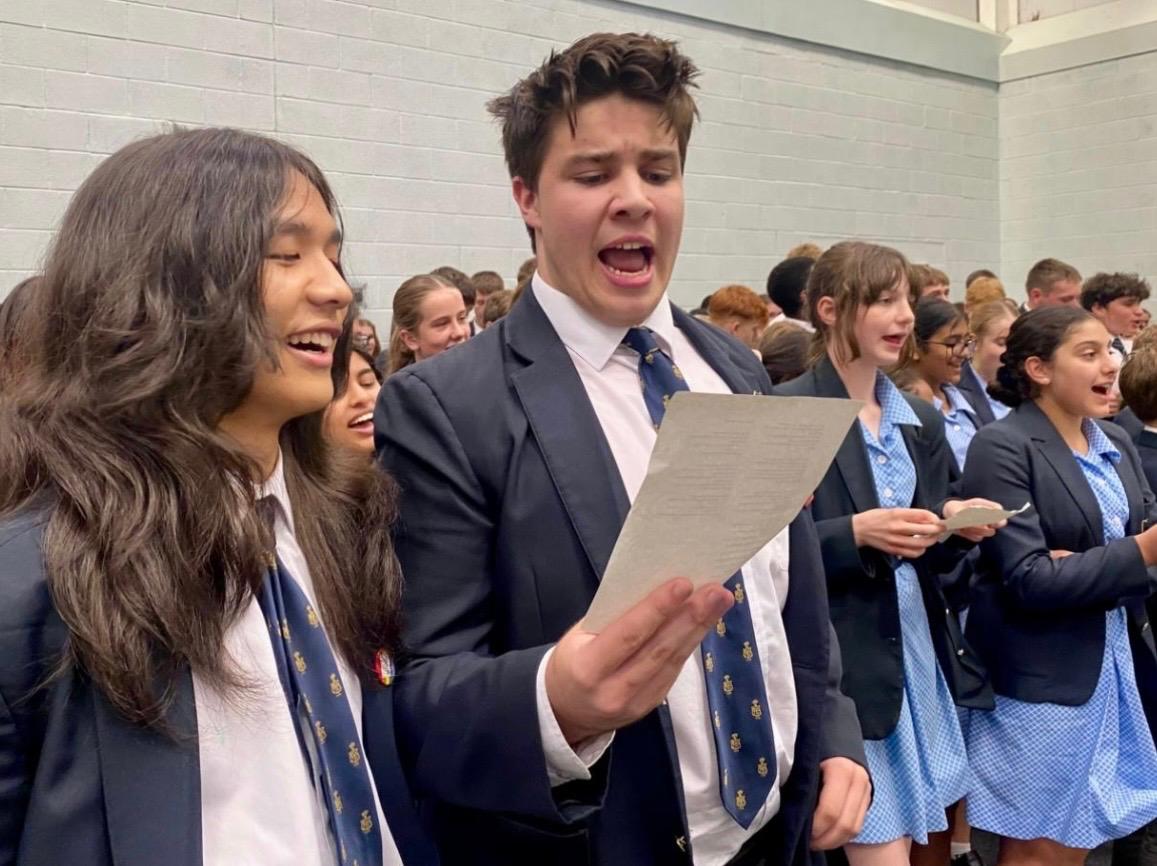
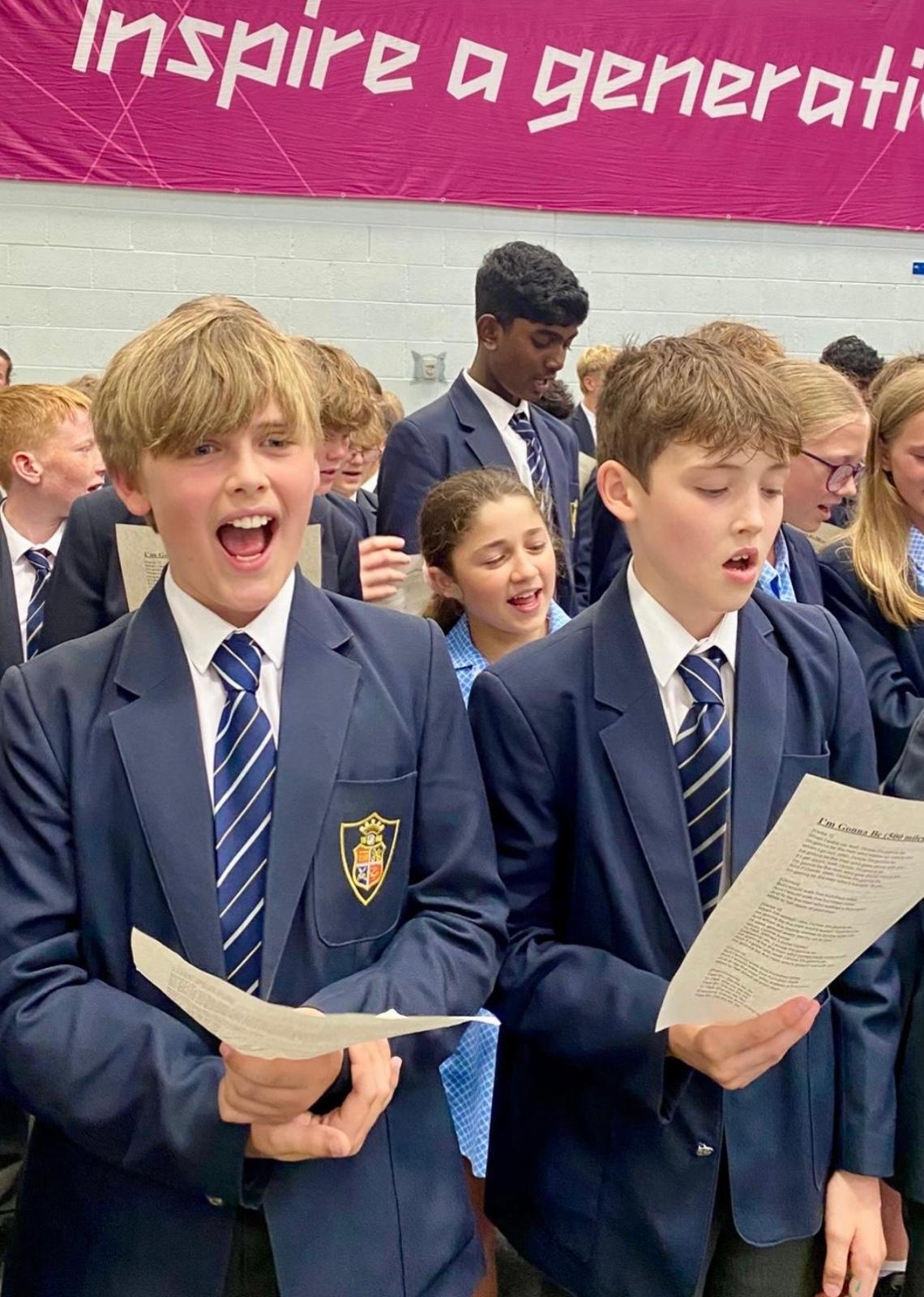
This culminates in our annual Autumn Concert, when every Year 7 student performs three songs as part of the curriculum, singing in parts as a full year group. For many, it is their first experience of performing in front of an audience, and the hall is always full. It is a powerful way to build confidence, resilience and a sense of shared achievement.
Our four choirs are designed to provide a clear pathway for progression, from junior ensembles with simpler repertoire through to more demanding senior choirs.
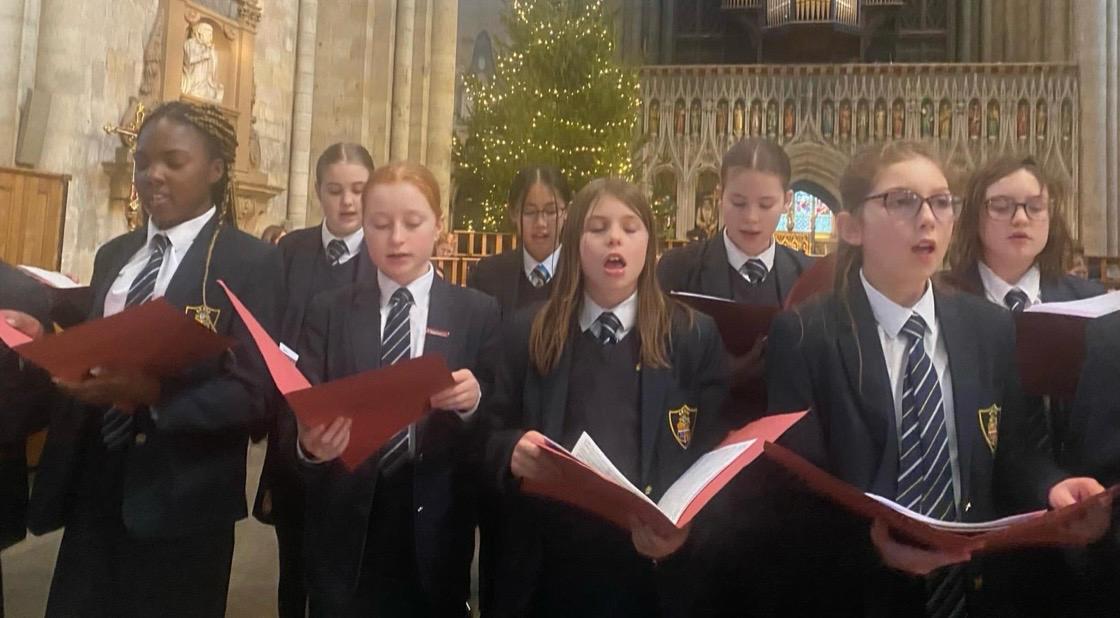
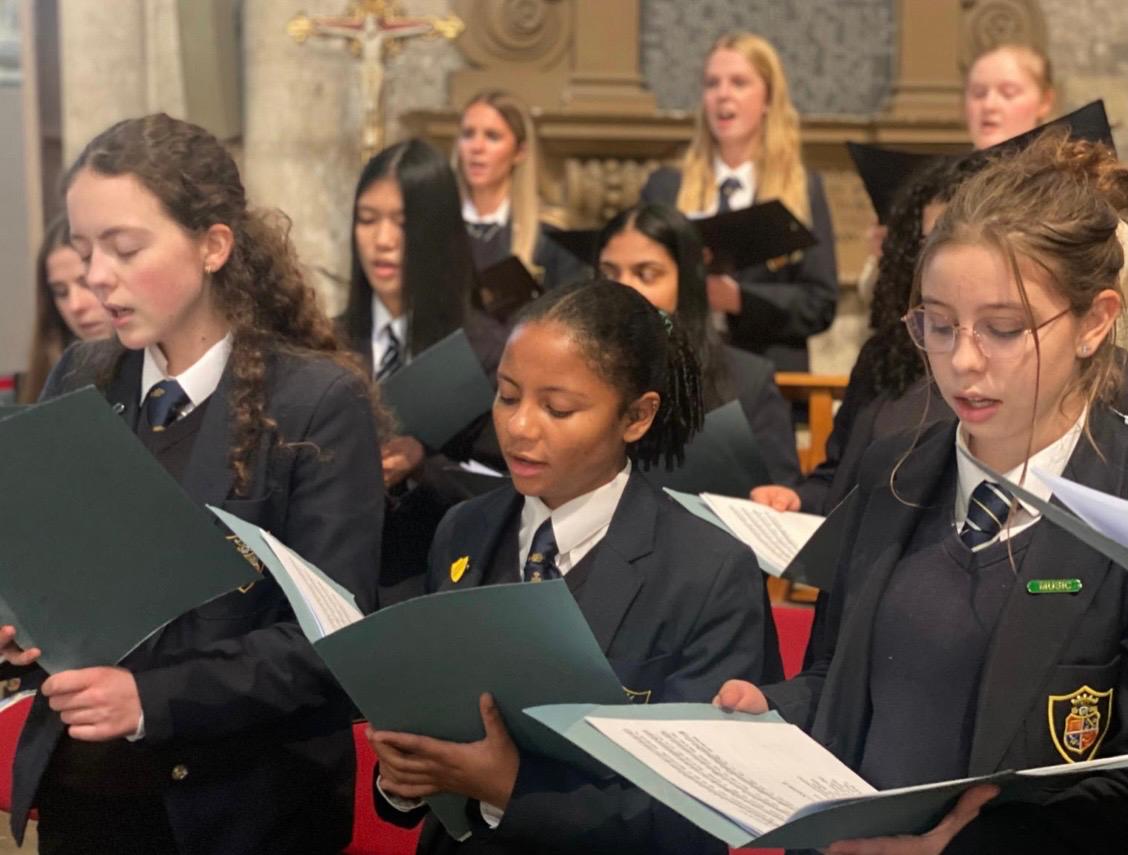
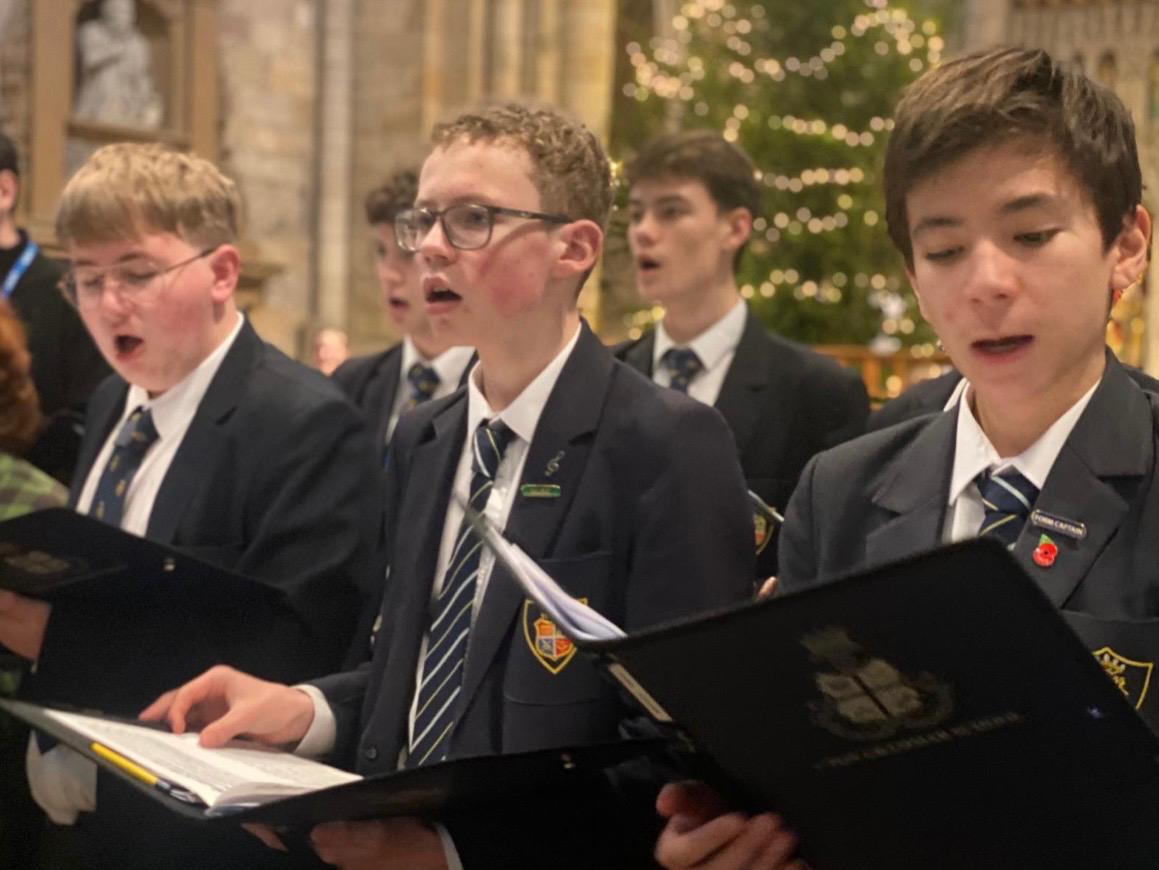
Throughout the year, students perform in three main school concerts, sing twice in Ripon Cathedral, for the Nine Lessons and Carols service and at Commemoration in front of the whole school. Individuals also sing in junior and senior recitals and through our links with Ripon Concerts Association, some students have performed solos alongside professional musicians.
Our strong relationship with Ripon Cathedral offers choristers the unique opportunity to sing sacred music in a magnificent setting, alongside their experience of performing secular repertoire in school – an invaluable way to develop versatility and musicianship.
Beyond formal concerts, our Chamber Choir visits a local care home each year, and choirs regularly sing at open evenings, in Christmas assemblies and at other community events.
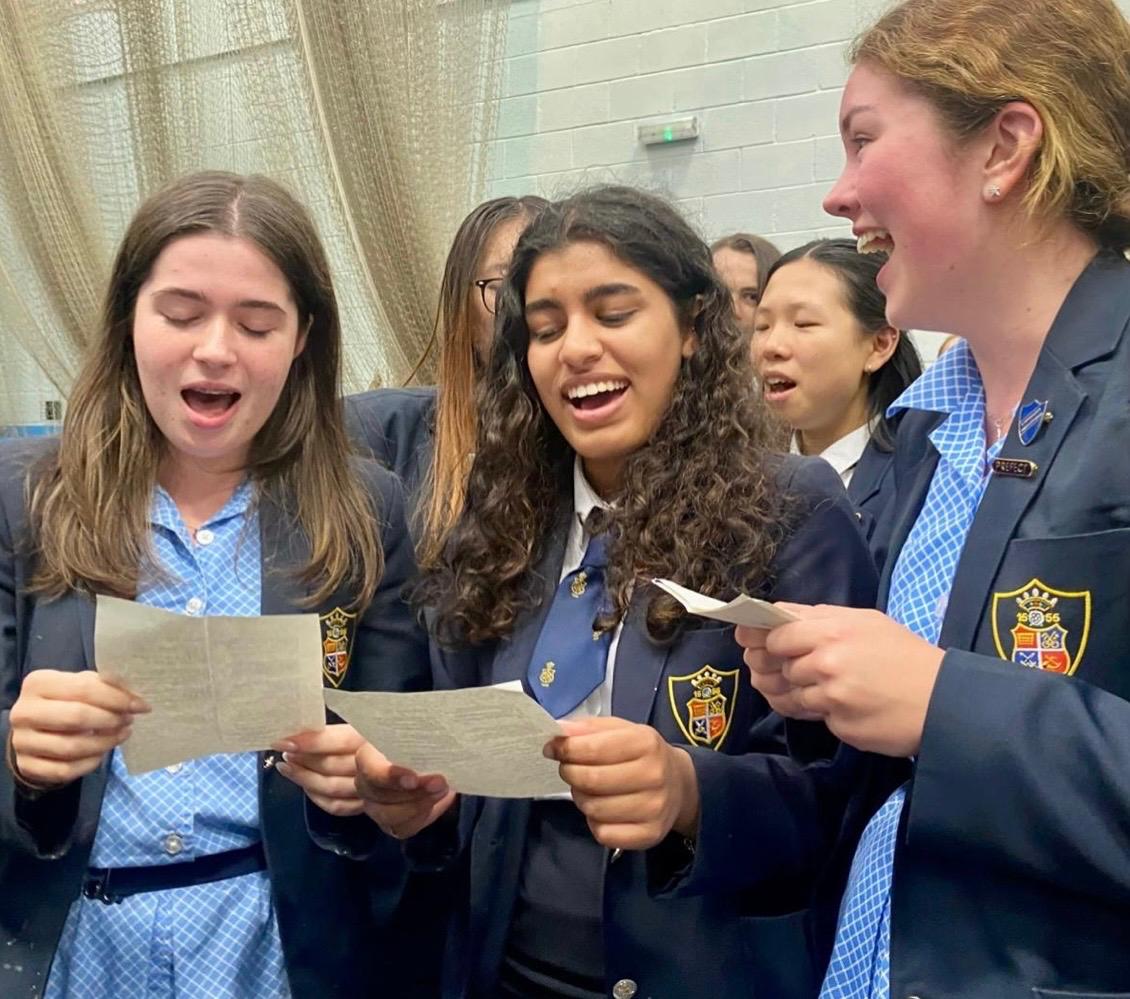
Music also brings the whole school together through competitions such as House Music, where every student sings a House song and many perform solos or in small groups, earning House points. These events are organised and led by our sixth form music officers, developing leadership alongside performance.
This year, we are also hosting a singing masterclass with a visiting professional singer, giving students expert guidance on technique and interpretation.
Looking more broadly, there is still much to be done nationally to encourage singing in schools. Music is not consistently treated as a core subject in primary education, even though this is where musical journeys can begin most effectively.
When the arts are sidelined in favour of a narrower focus, schools risk losing breadth, creativity and joy. A lack of specialist teachers can also limit confidence in delivering music. Yet the evidence shows that engagement with music supports wellbeing, confidence and academic outcomes.
We are fortunate to have strong parental support for private music lessons, but we are equally proud of how many students begin lessons once they arrive at RGS.
This year alone, 55 students have started one-to-one music lessons in school. And, while there has been a 25% drop in pupils studying GCSE music at schools in England over the last 15 years, our GCSE music numbers are the highest they have ever been, with 21 students currently studying the subject in Year 10.
At A-level, we typically have between three and seven students – a strong figure compared with the state-sector average.
Perhaps the most rewarding moments come when former students return to sing with us at services or concerts, or when we hear about alumni continuing to sing or play at university, even if they do not study music formally.
It is a reminder that music is for life, not just for school – and why singing remains such an important part of who we are at Ripon Grammar School.


Ripon Grammar School, 16 Clotherholme Road, Ripon, North Yorkshire, HG4 2DG
Tel: 01765 602 647
E: admin@ripongrammar.com


