




The future of veterinary medicine starts here

EMILIA SAMPLE reports on an eye-opening visit to a local vets' practice where students enjoyed a real hands-on experience
RGS students interested in pursuing a career in veterinary medicine gained an unforgettable insight into their prospective future working lives during a visit to a local vets.
From using ultrasound equipment on a dog to practising suturing techniques, eight keen sixth form Veterinary and Agricultural Society members enjoyed a real hands-on experience.
Our day at the Bishopton Veterinary Group in Ripon began with a tour of the practice, where we were introduced to the different clinical areas and learned more about how busy veterinary surgery operates day-to-day.
The site includes dedicated farming, cattery, canine and small animal sections, demonstrating the wide range of cases managed under one roof.
Just a few miles down the road is the equine practice, also part of the Ripon branch, highlighting the breadth of services provided locally.
Across all the Bishopton practices, there are just over 120 members of staff, reflecting the scale of teamwork required to deliver high quality veterinary care.
Seeing the organisation and collaboration involved gave us a real appreciation of how much happens behind the scenes in a busy veterinary group.
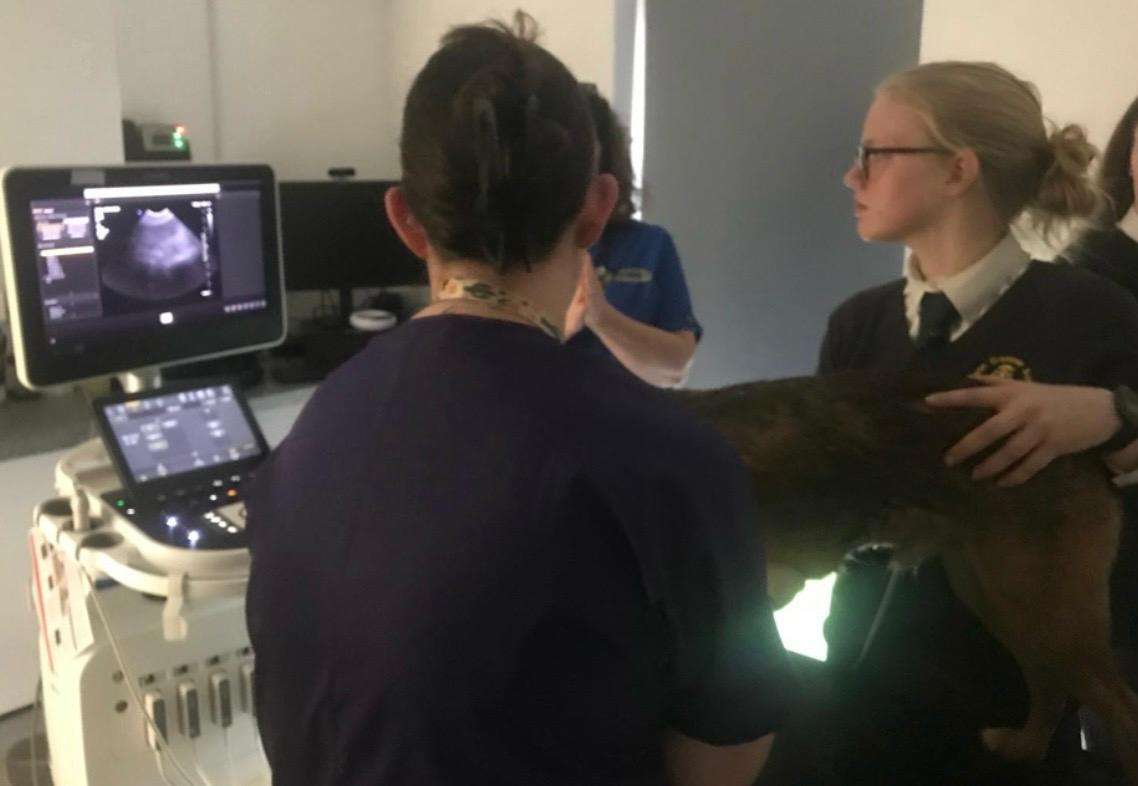
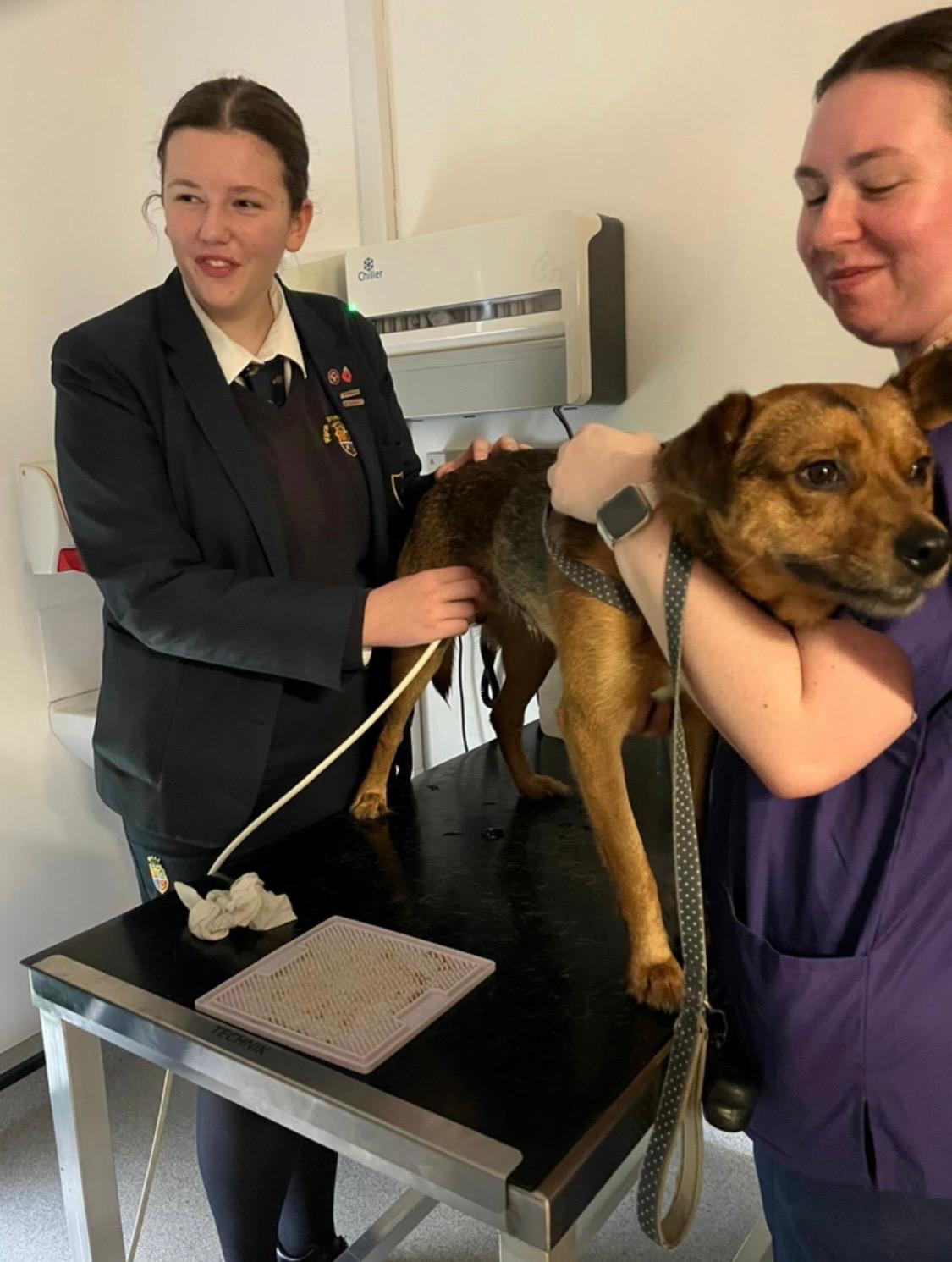
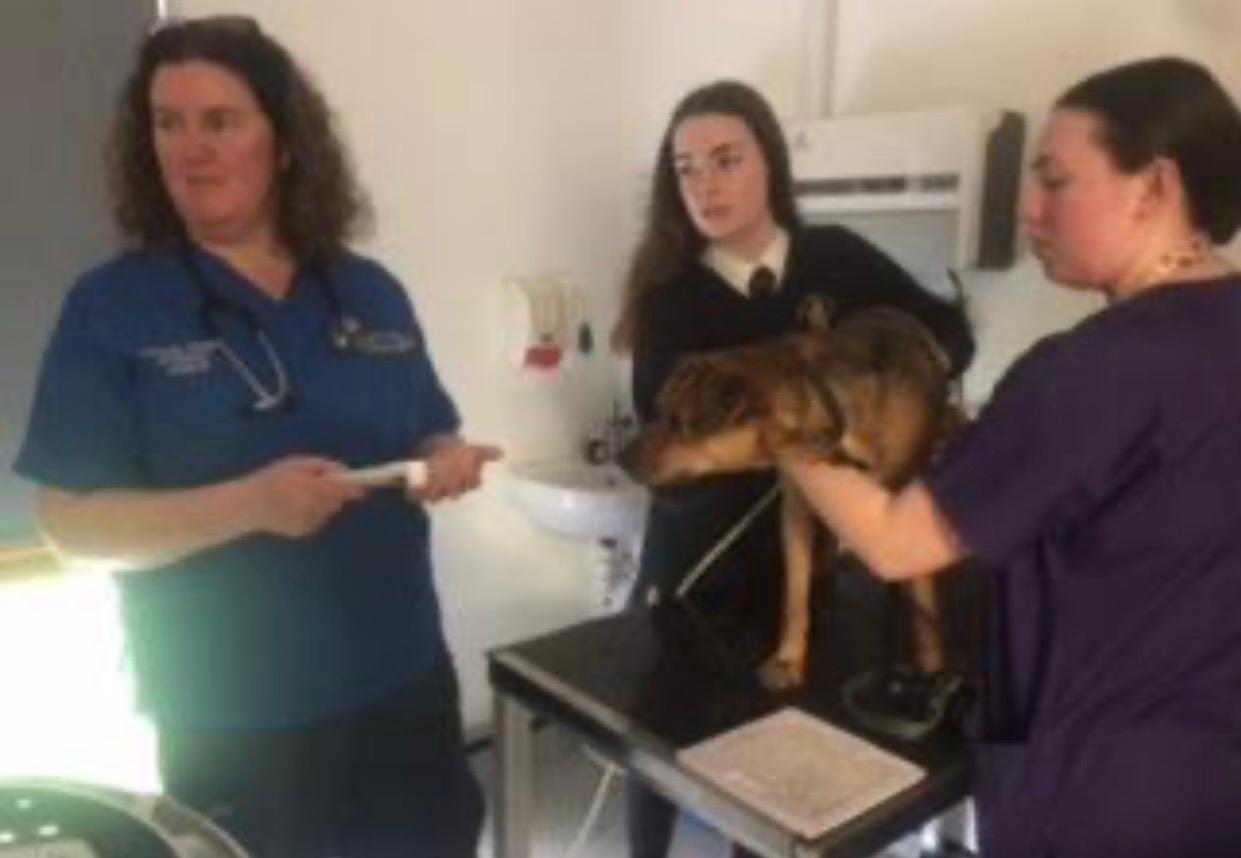
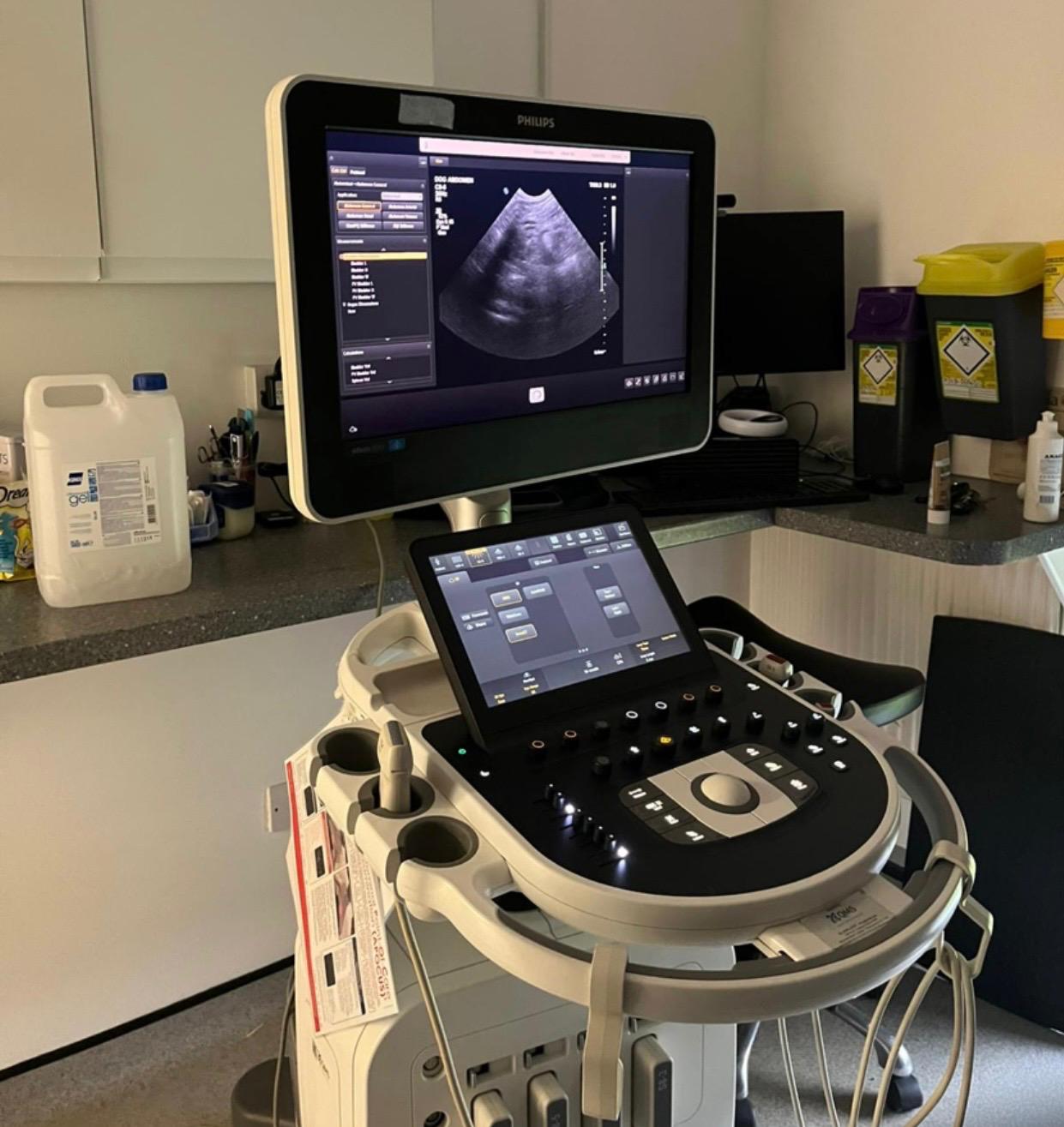
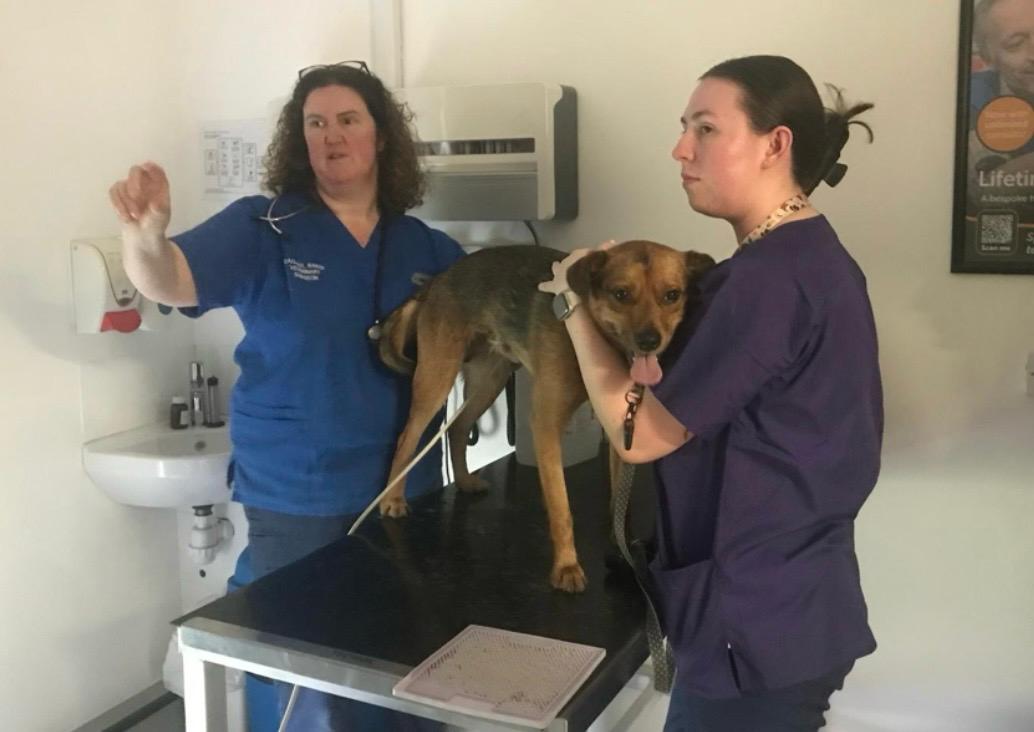
One of the highlights of the day was using the ultrasound equipment on a dog. We were able to identify organs such as the bladder and spleen on the screen, which we all found fascinating.
Seeing anatomy in a real clinical context was both challenging and rewarding, and it emphasised the depth of knowledge required to interpret scans accurately.
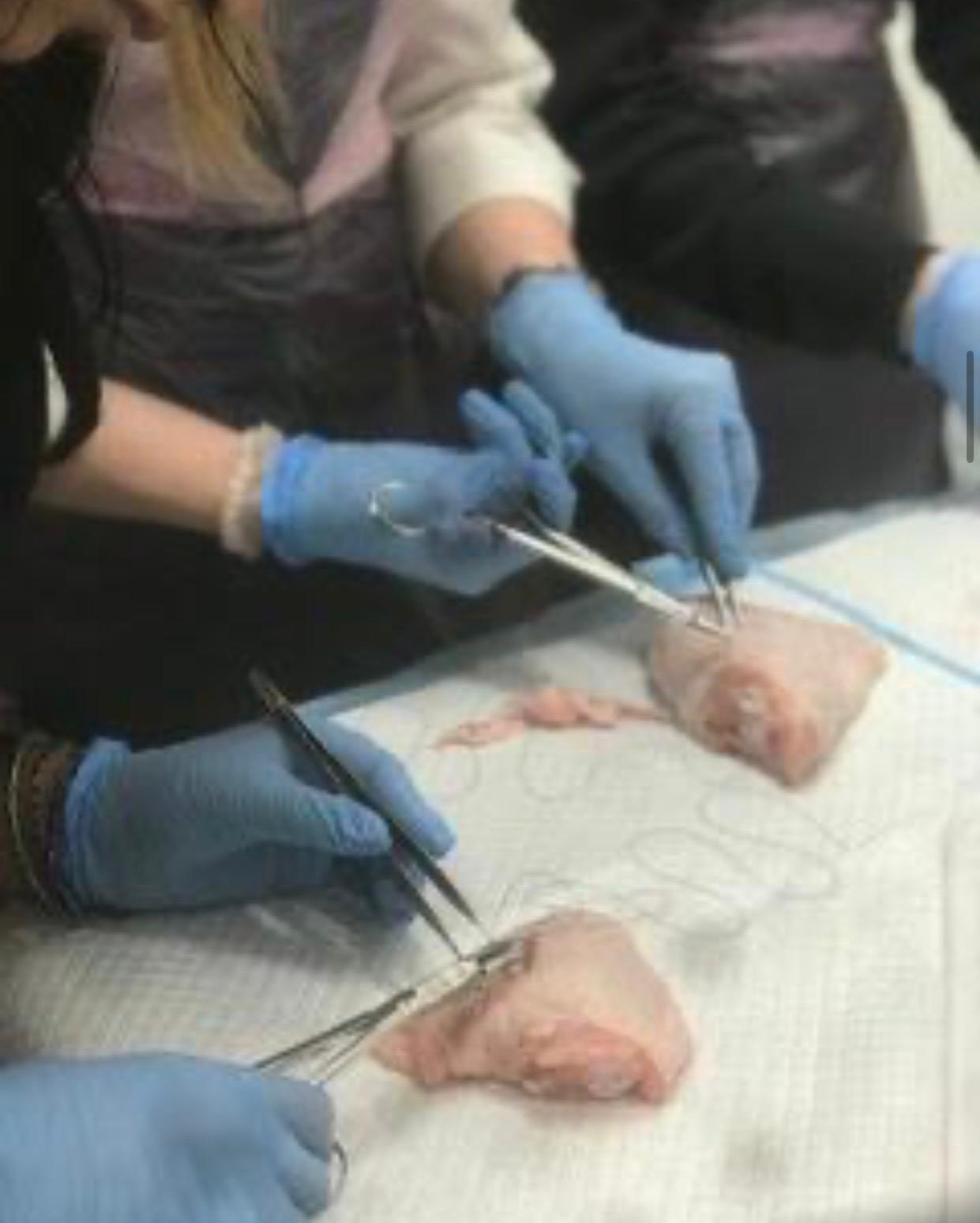
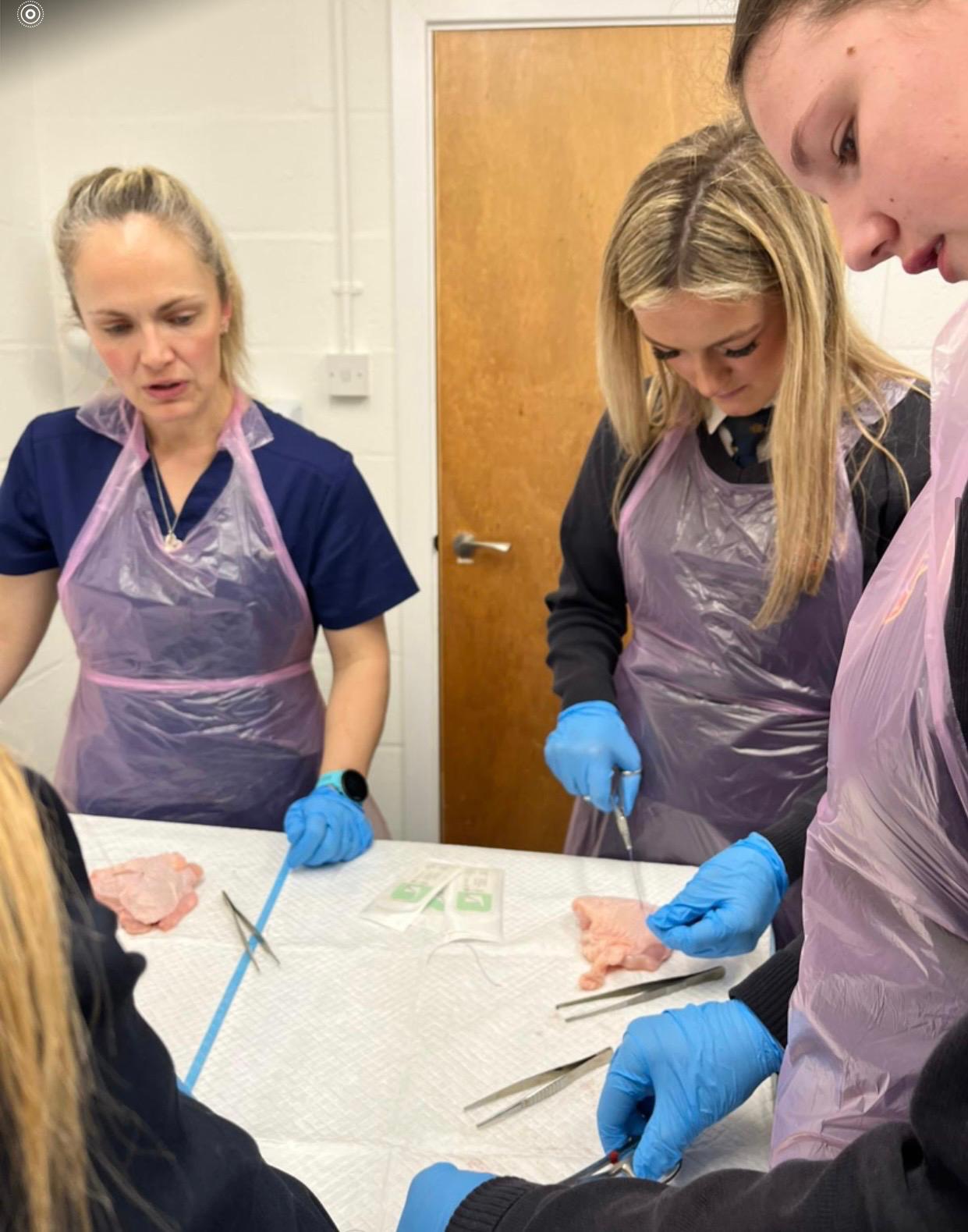
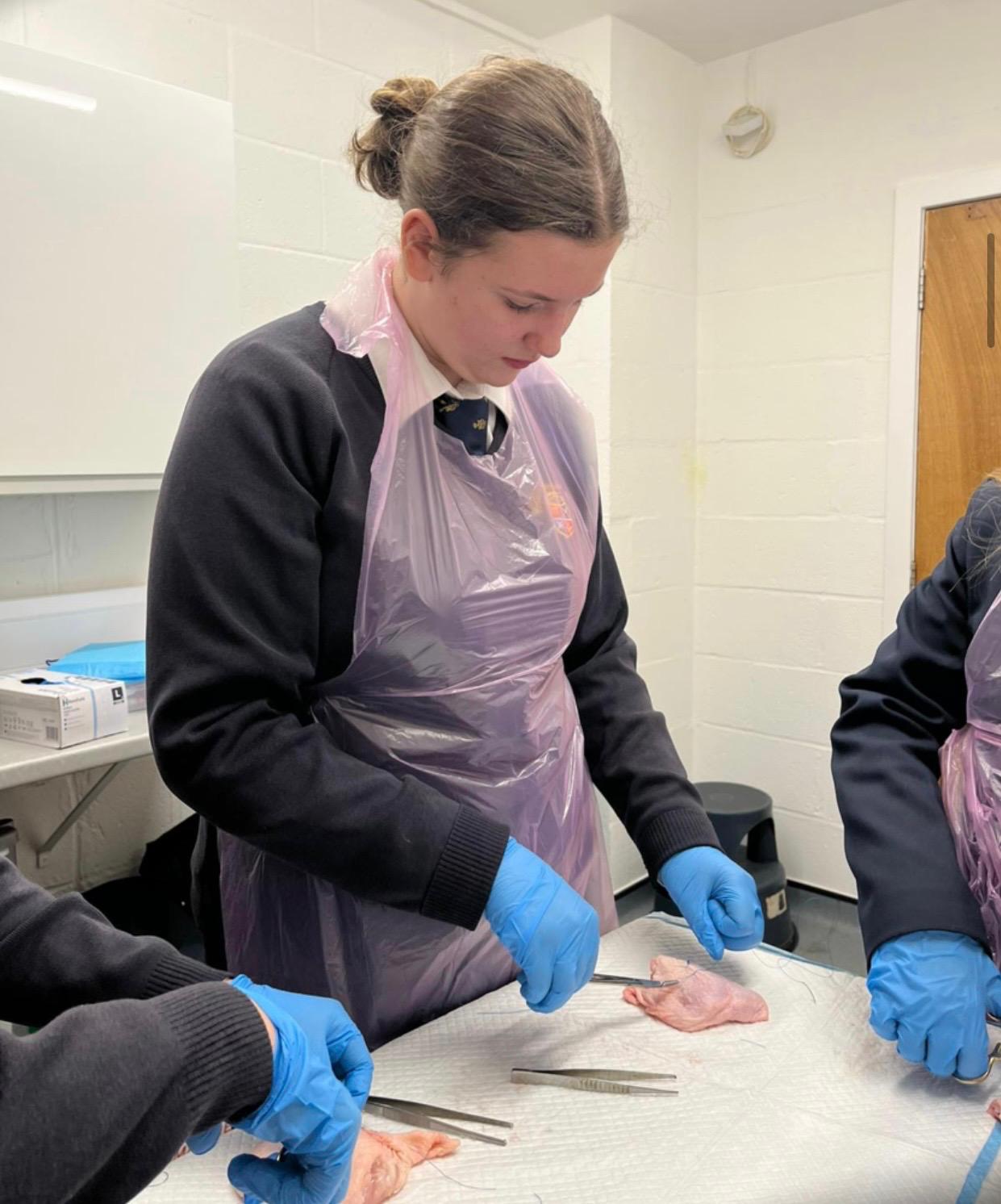
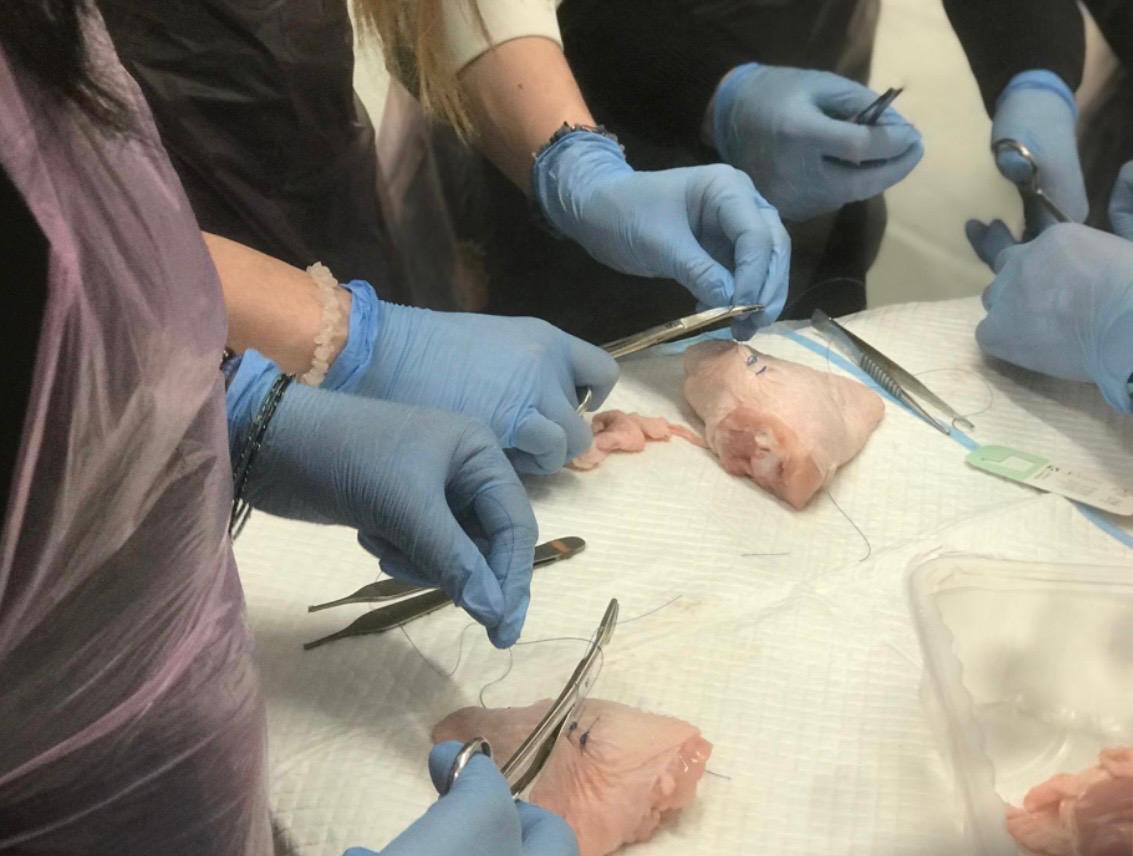
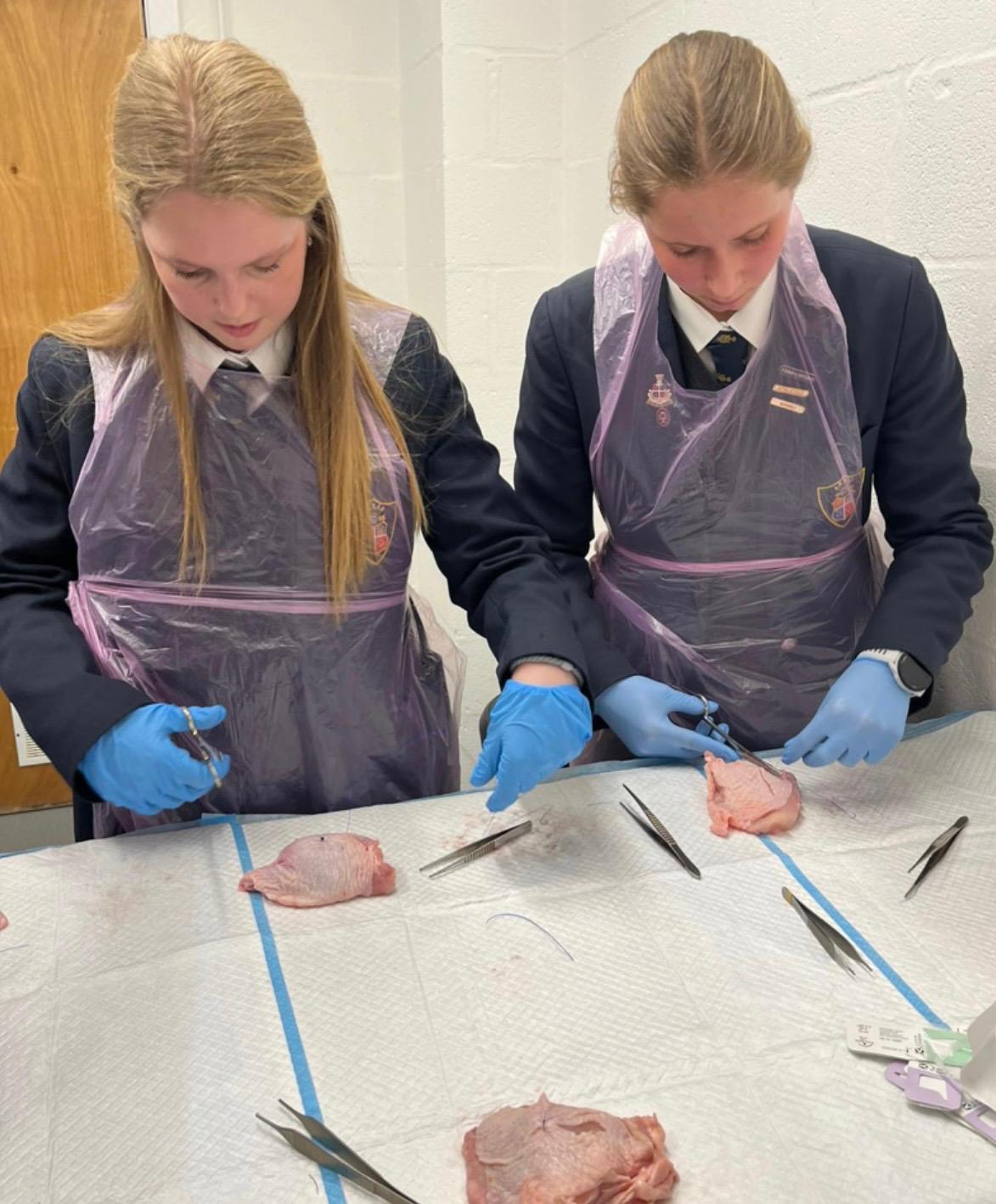
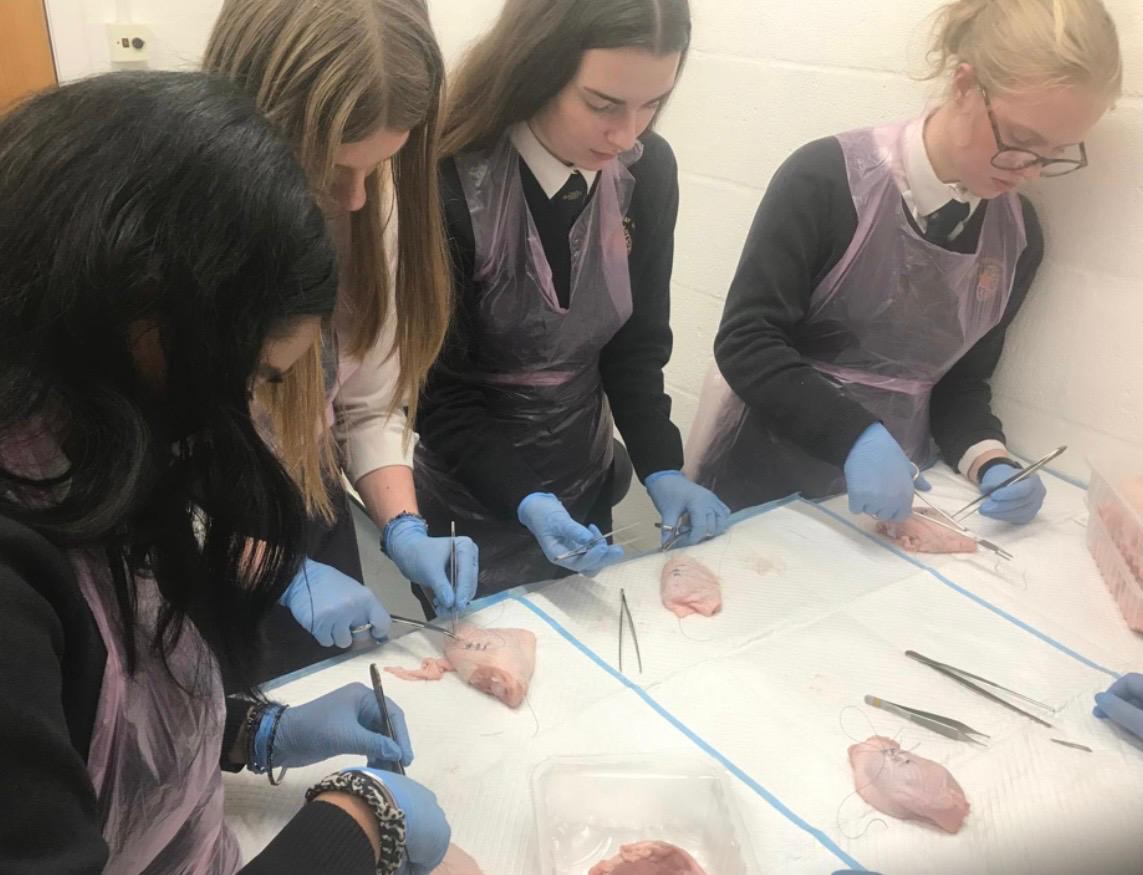
We then moved on to practising suturing techniques. Using chicken breast to simulate tissue, we learned how to perform both interrupted and continuous sutures on the different layers of tissues.
This required patience, precision and steady hands; skills that are essential for the vets in surgery. It was interesting to experience first-hand how much focus even basic surgical techniques demand.
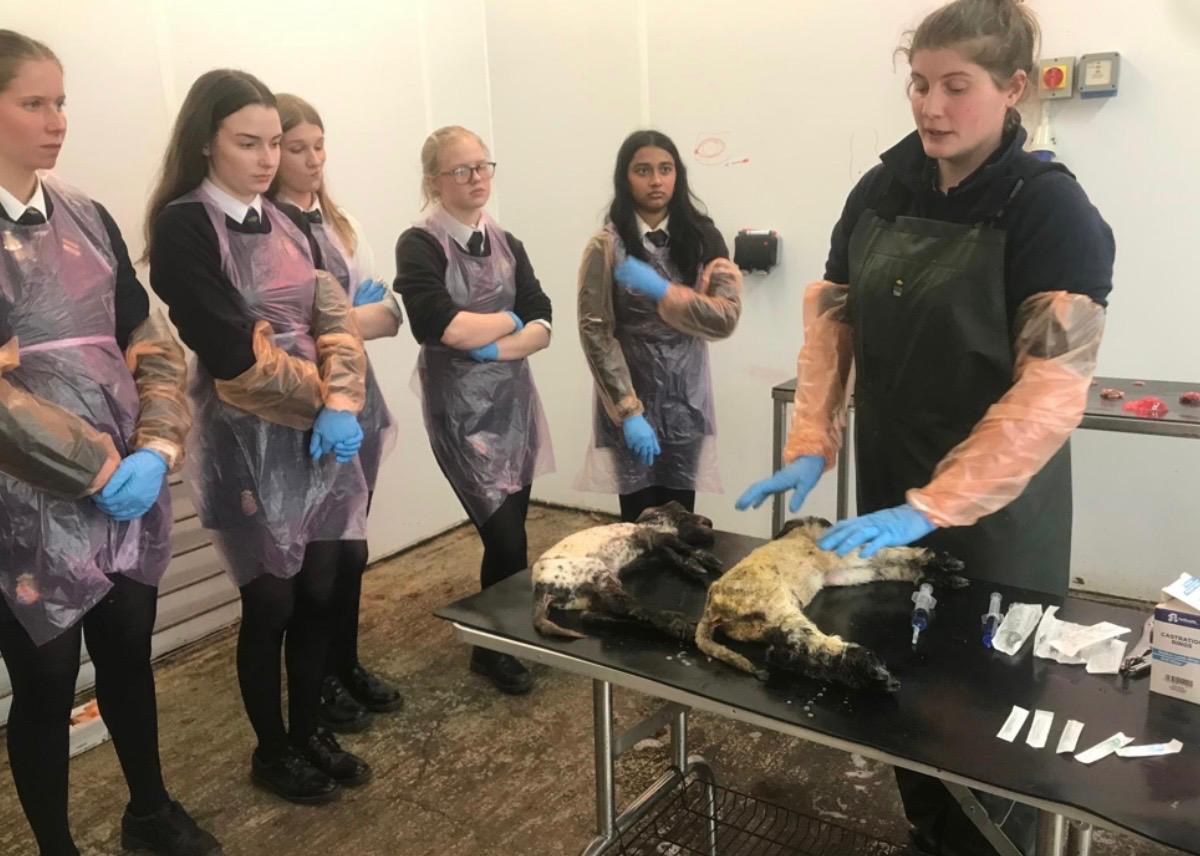
The final activity focused on livestock care, giving us valuable insight into the agricultural side of veterinary medicine.
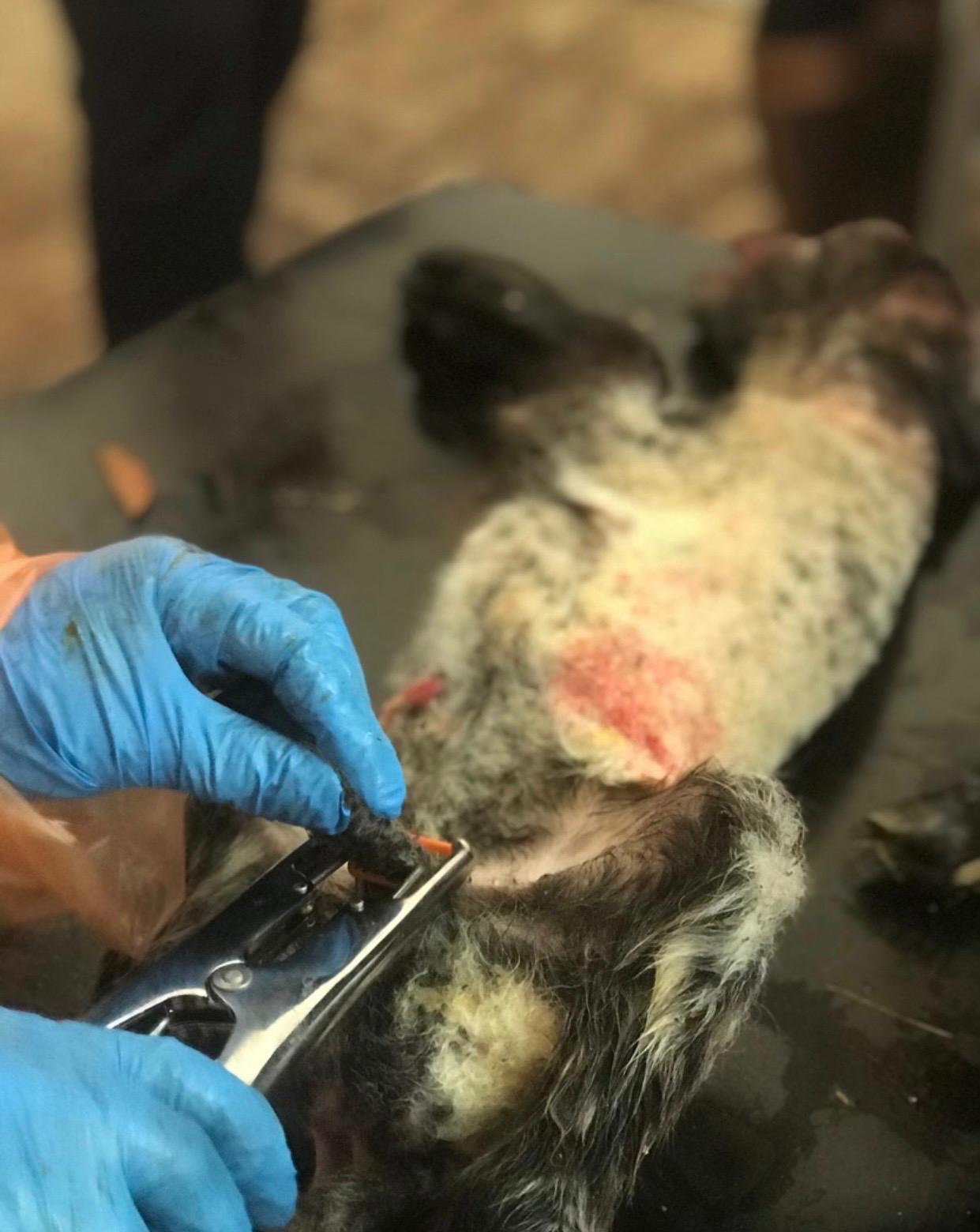
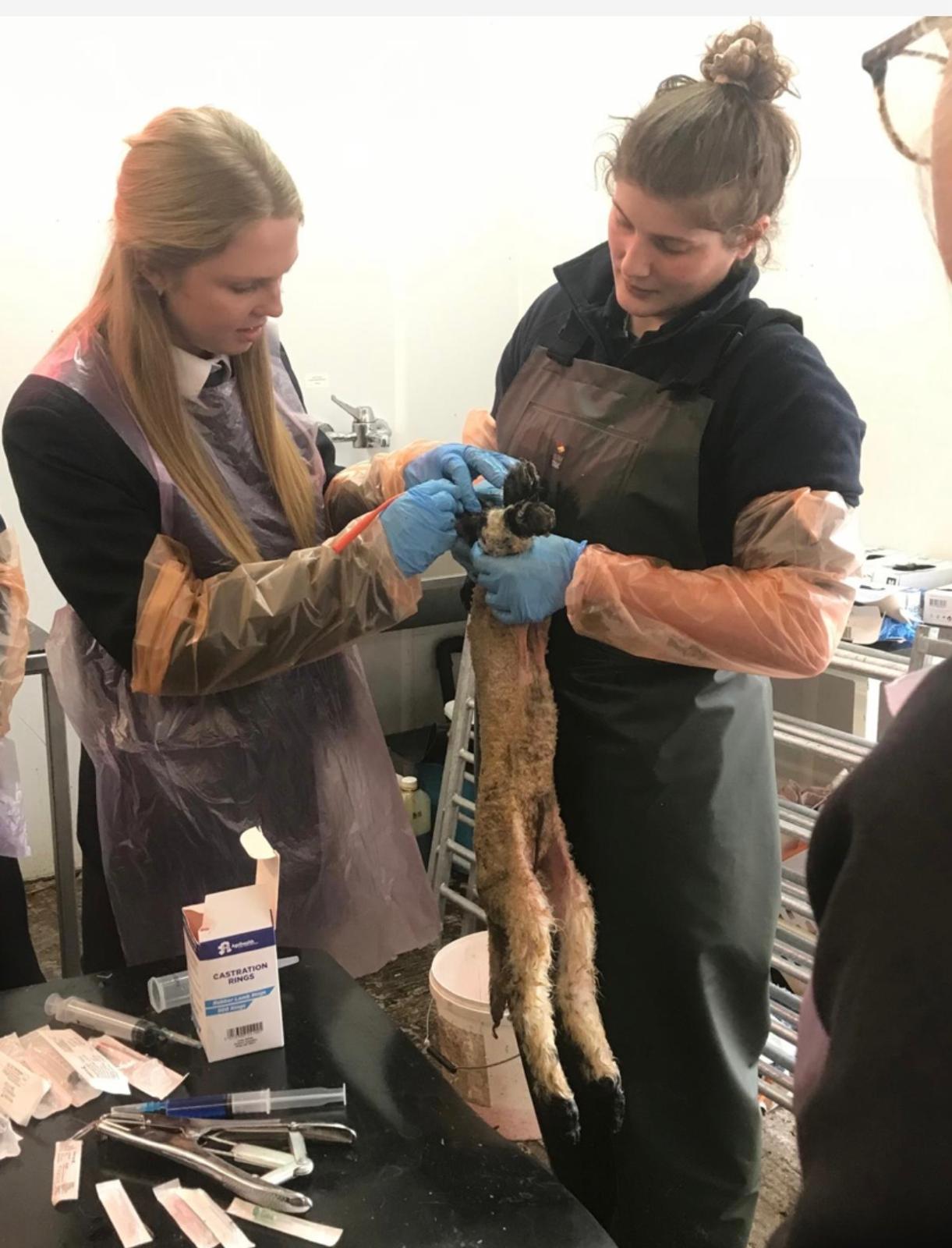
We observed and practised important procedures used in lamb care, including learning why navels are dipped to prevent infection and how glucose can be administered to support weaker lambs.
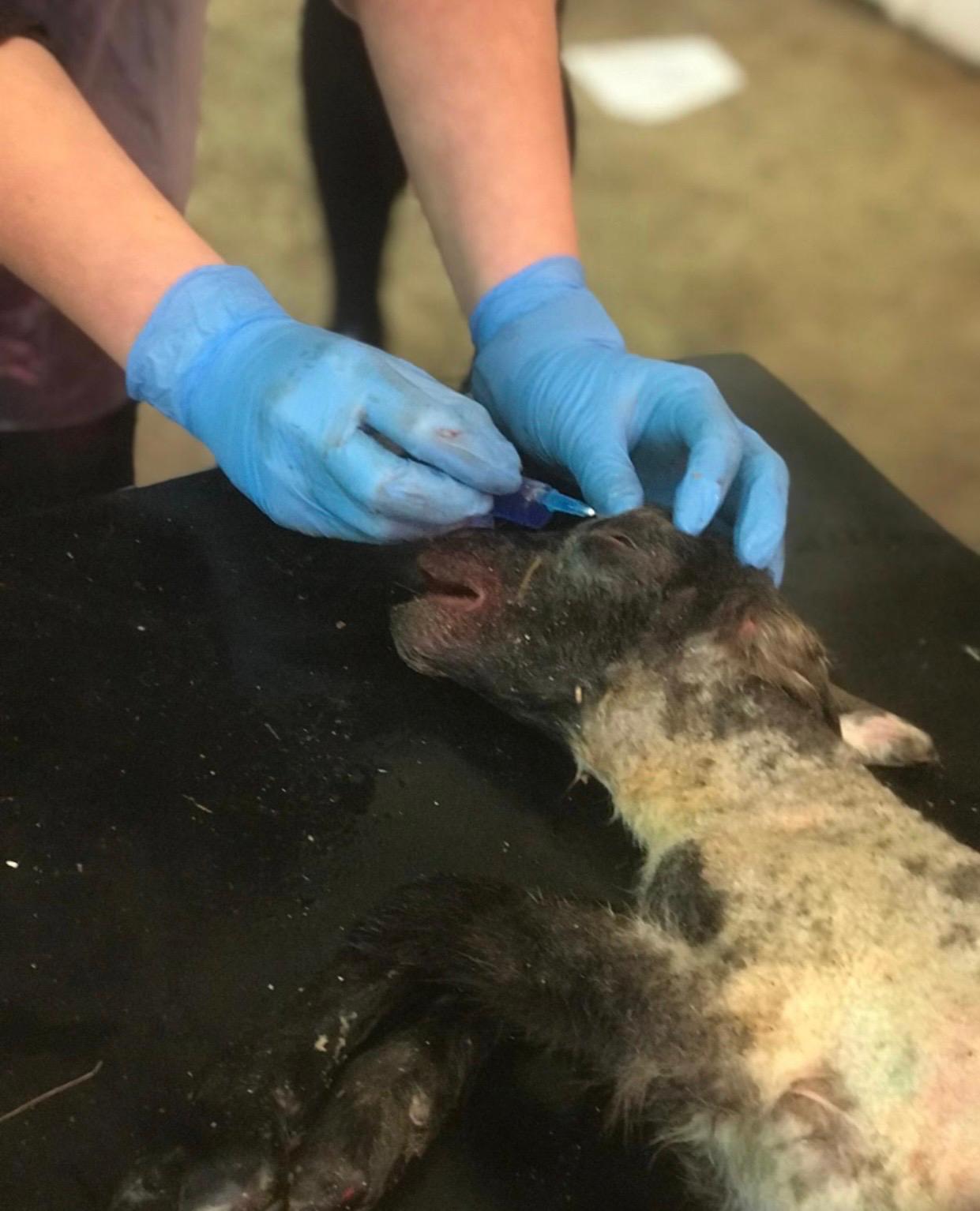
We also practised tubing a lamb to provide fluids and discussed treatments used to manage eye infections, attempting to inject the eye with a solution to separate the eye lids.
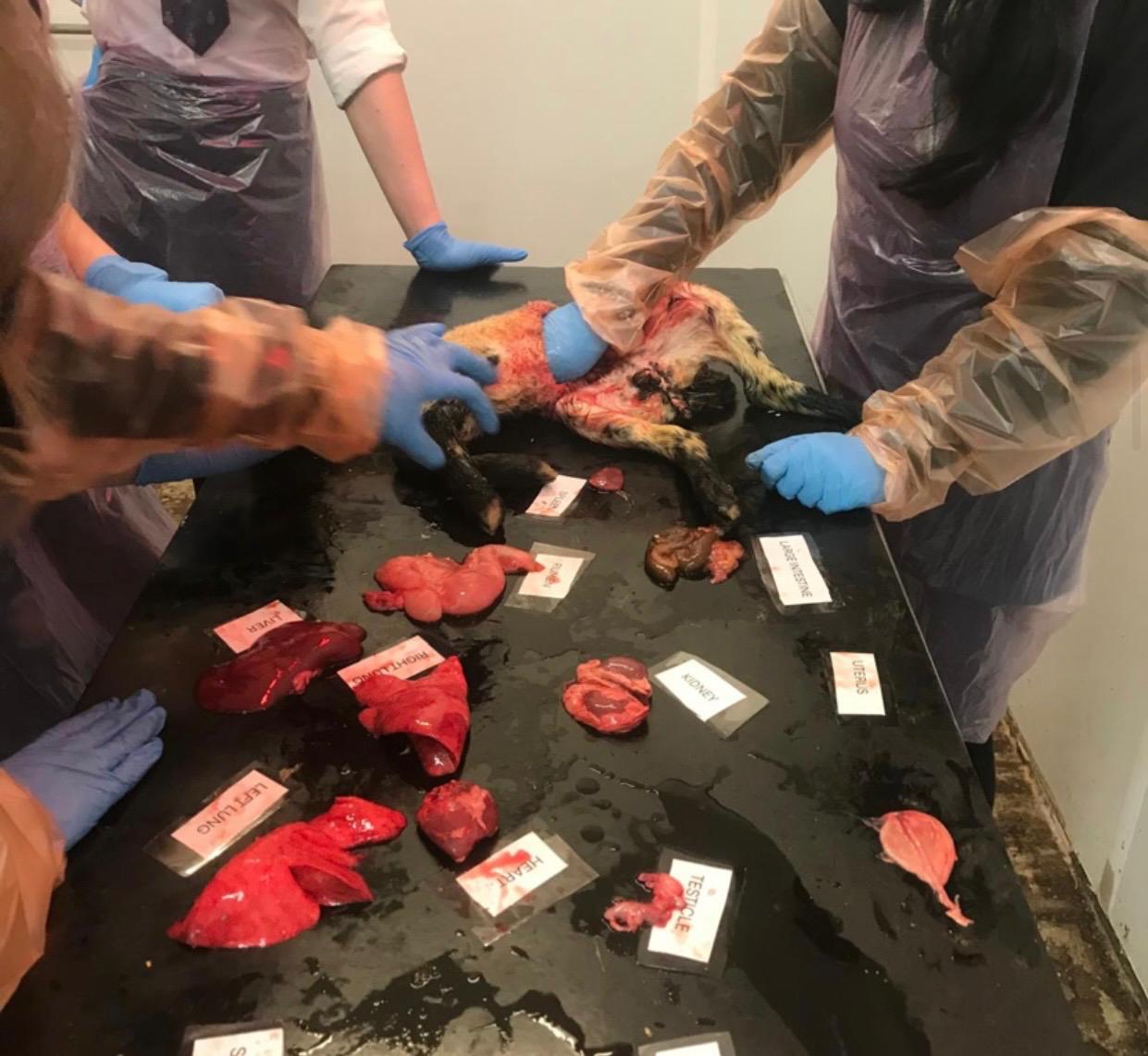
Additionally, we tested our anatomical knowledge by labelling the lambs’ organs; some we found much easier to identify than others.
Overall, the visit was an incredibly informative and inspiring experience.
It reinforced how varied veterinary medicine is, from companion animal diagnostics to hands-on farm work, and highlighted the level of skill, responsibility and compassion required in the profession.
We are extremely grateful to the team at Bishopton for giving us such a valuable opportunity and for taking the time to share their expertise with us.
The trip has undoubtedly strengthened our enthusiasm for pursuing careers in veterinary medicine and provided us with a deeper understanding of what the profession truly involves.
Ripon Grammar School, 16 Clotherholme Road, Ripon, North Yorkshire, HG4 2DG
Tel: 01765 602 647
E: admin@ripongrammar.com


