




Caretaker’s labour of love to bring historic clocktower back to life

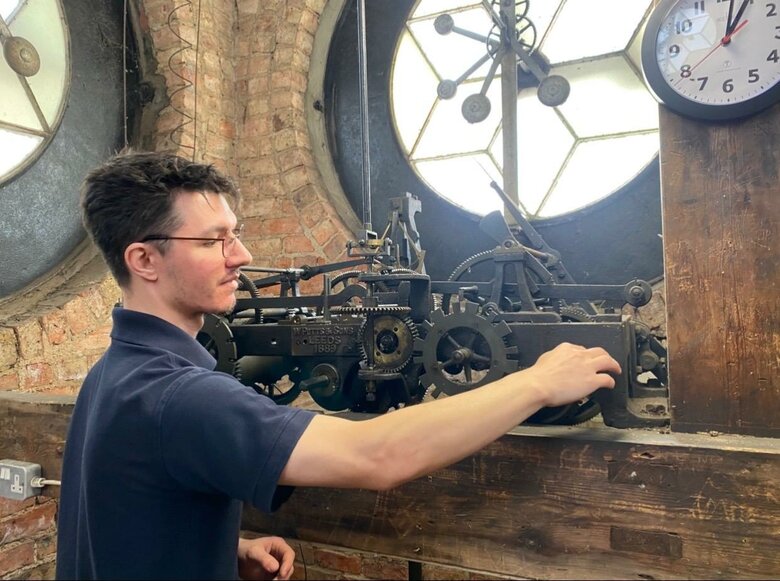
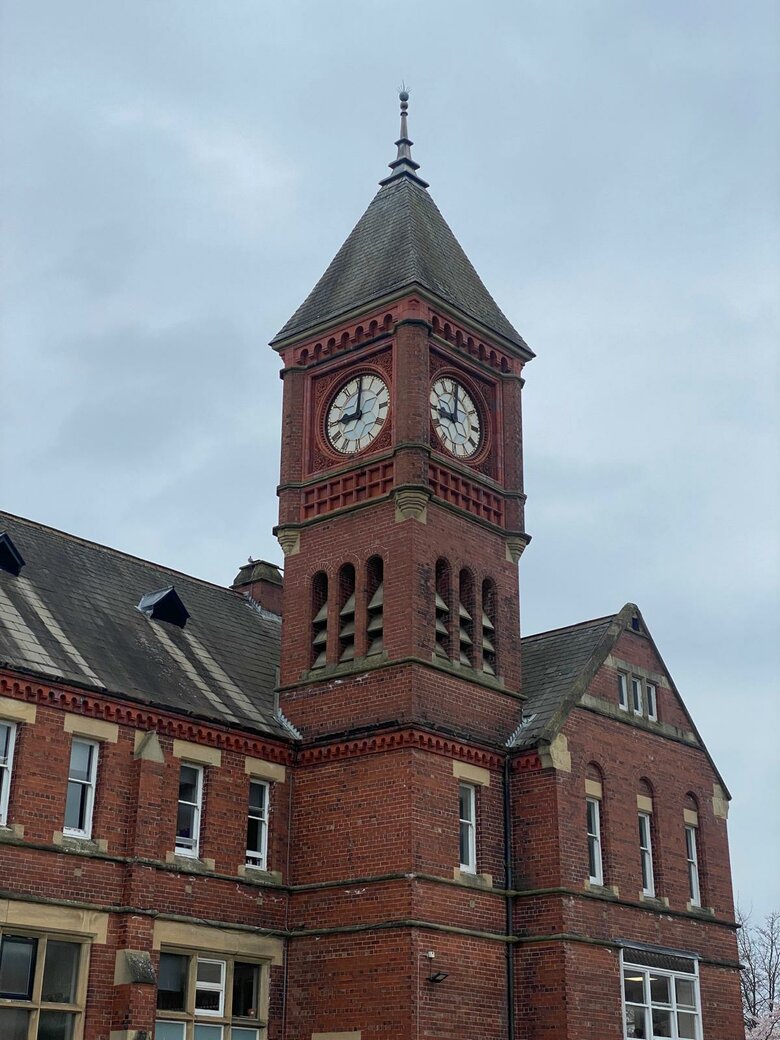
A SCHOOL caretaker is undertaking an extraordinary restoration project to bring the building’s iconic clocktower back into working order -decades after it last kept time.
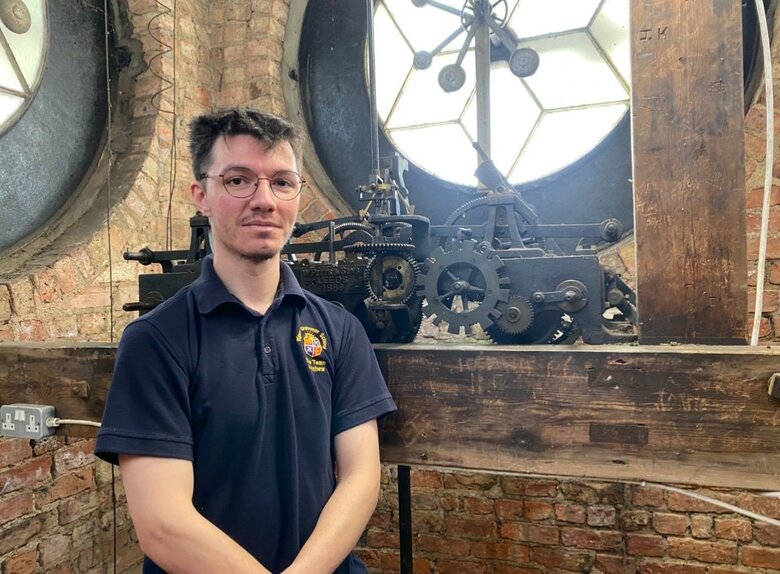
Matthew Buller, who joined Ripon Grammar School in October 2025, has taken on the intricate task as a labour of love, driven by a deep appreciation for the tower’s history and craftsmanship.
Originally born in the North Yorkshire cathedral city, he said: “I’ve always seen the clocktower as the monument of the school, and it’s such a shame the clock has deteriorated over time.”
He hopes to get the old gravity and hand-cranked fed system back up and running so that the clock and bells can work once more as originally designed.
“I look forward to bringing back the mechanical heartbeat of the school,” he said.
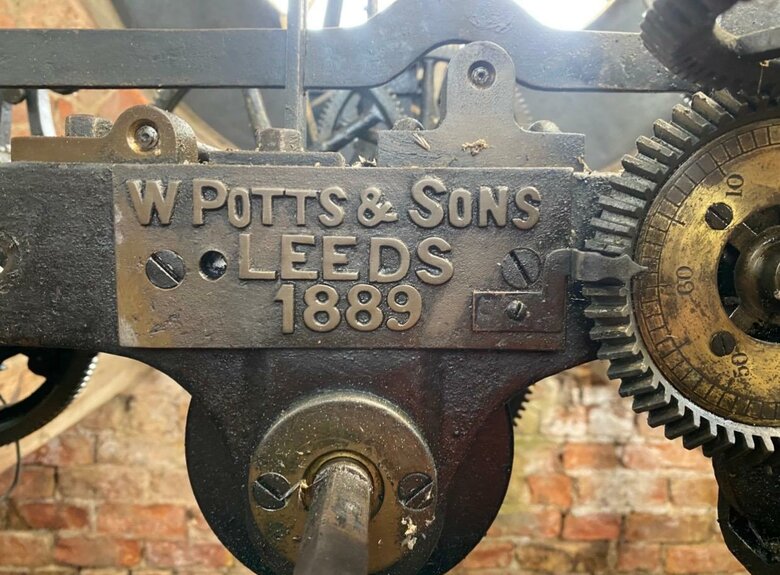
“Dated 1889, it’s a fantastic piece of history, let alone architecture, with such exquisite engineering,” he said. “I feel passionately that it must be preserved.”
He discovered that the clock in Ripon Cathedral’s clocktower was created by the same makers – W Potts & Sons Leeds – in 1909.
“It would seem that the special relationship we share with the cathedral also encompasses the clocks,” he said.
The RGS mechanism, believed to have last worked properly around 40 to 50 years ago, had fallen into significant disrepair by the time Matthew began working on it in December.
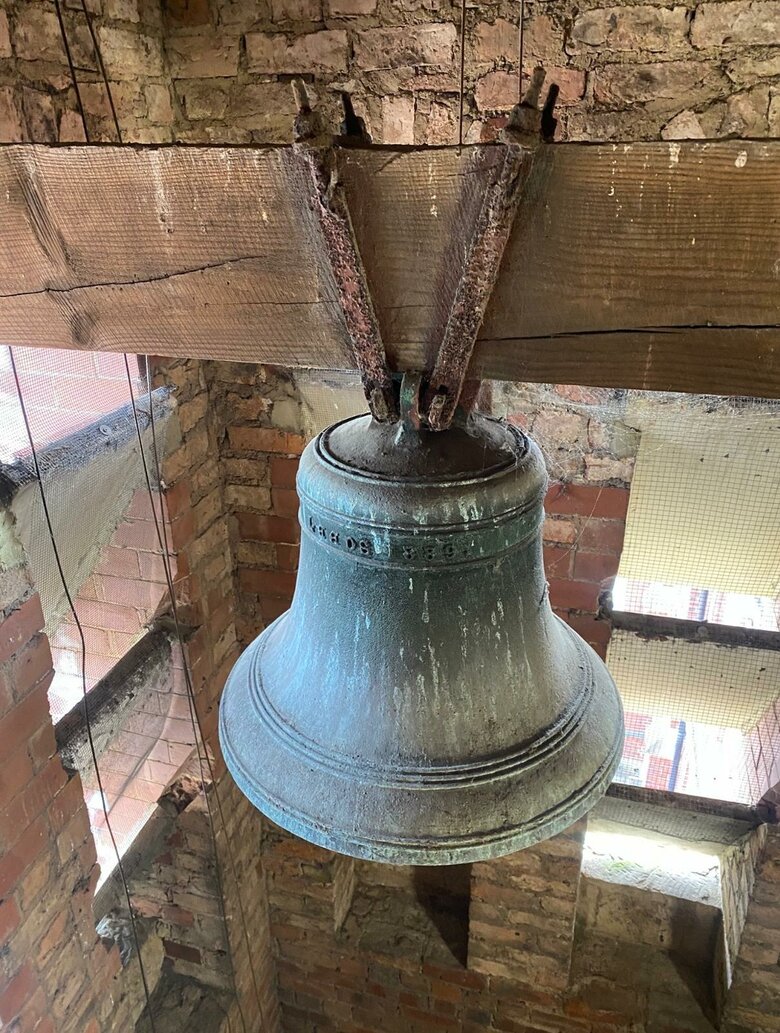
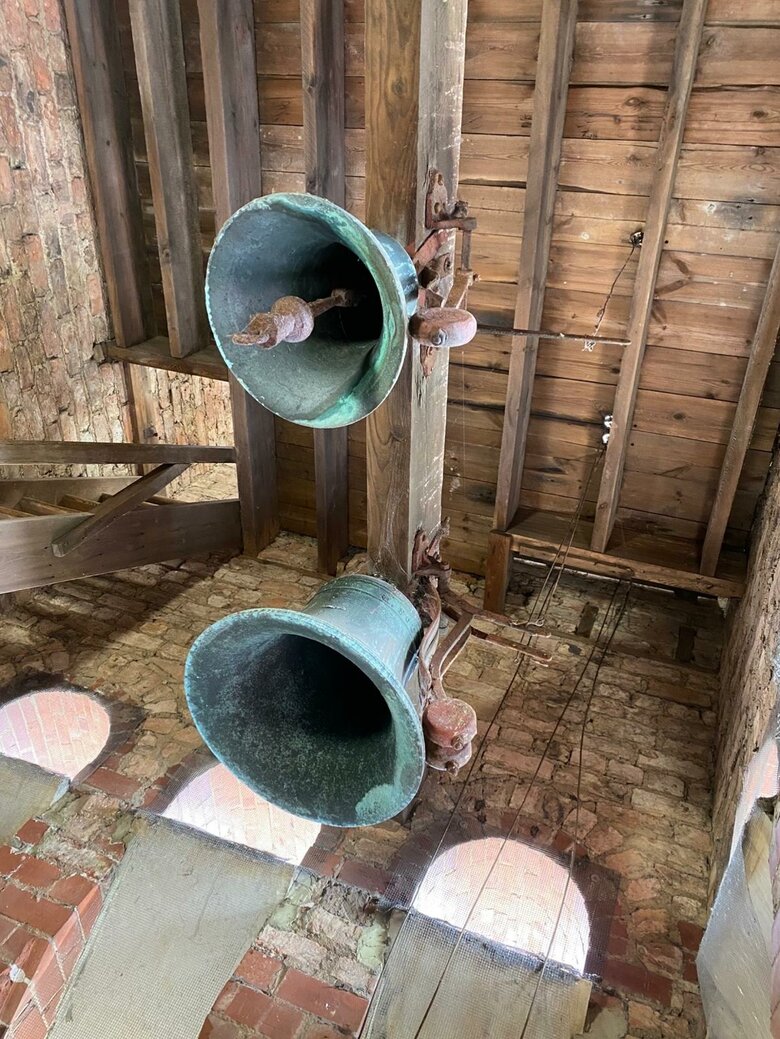
The tower itself was thick with dust, decay and debris, while the bells had oxidised and the delicate workings had become saturated with oil.
Undeterred, he worked through the school holidays, spending hours cleaning the space and studying the complex system.
“Once you understand the type of clock mechanism, it’s almost like a particularly challenging jigsaw puzzle,” he explained.
“Fortunately, it is all mostly intact, and I’ve always been mechanically minded and a lover of problem-solving,” he says.
Having studied science engineering at college, much of Matthew’s knowledge has come from independent research and hours spent studying the clock workings.
He has also connected with experts in the field who maintain other historic clocktowers, drawing much inspiration from those at Ripon Cathedral, where he was shown the workings of its clocktower by head verger Charlie Brown.
At the heart of the RGS structure is a flatbed cast iron clock base, powered by a traditional gravity system. Steel cables run over iron pulleys to support three sets of cast iron weights, each weighing around 190kg.
Above, bronze bells - ranging from 60kg to 90kg - mark the hours and quarter hours.
Matthew’s restoration programme is both ambitious and meticulous. Plans include hiring a hydraulic lift to safely lower the bells so that rusted brackets can be replaced, alongside cleaning and restoring the hammer and suspension systems.
The pulley system will be completely overhauled, with new galvanised steel cables and pulleys installed, while the weights will be cleaned and repainted.
The clock mechanism itself will undergo a painstaking cleaning process using specialist solutions to remove oil and dirt from every gear tooth. The pendulum and flywheels will also be restored to ensure accurate timekeeping, and a new hand crank will be created to manually wind the system.
“The biggest challenge will be lowering and raising the bells,” Matthew said. “But the most time-consuming part will be cleaning the mechanism so it can run properly again.”
The project is expected to cost between £1,500 to £2,000 for materials and equipment, with further work to the clock faces potentially required in the future.
For now, his goal is simple but meaningful: “The main aim is to get her ticking again.”
The school has praised Matthew’s dedication, describing the project as a remarkable example of initiative and care for the school’s heritage.
Headmaster Jonathan Webb said: “If successful, the restoration will not only revive a striking feature of the building but also reconnect the school community with a piece of its history that has stood silent for decades.”
*You can donate to our Clocktower Restoration Fund here or use the QR below

Ripon Grammar School, 16 Clotherholme Road, Ripon, North Yorkshire, HG4 2DG
Tel: 01765 602 647
E: admin@ripongrammar.com


