




‘I helped deliver a baby successfully over the phone’

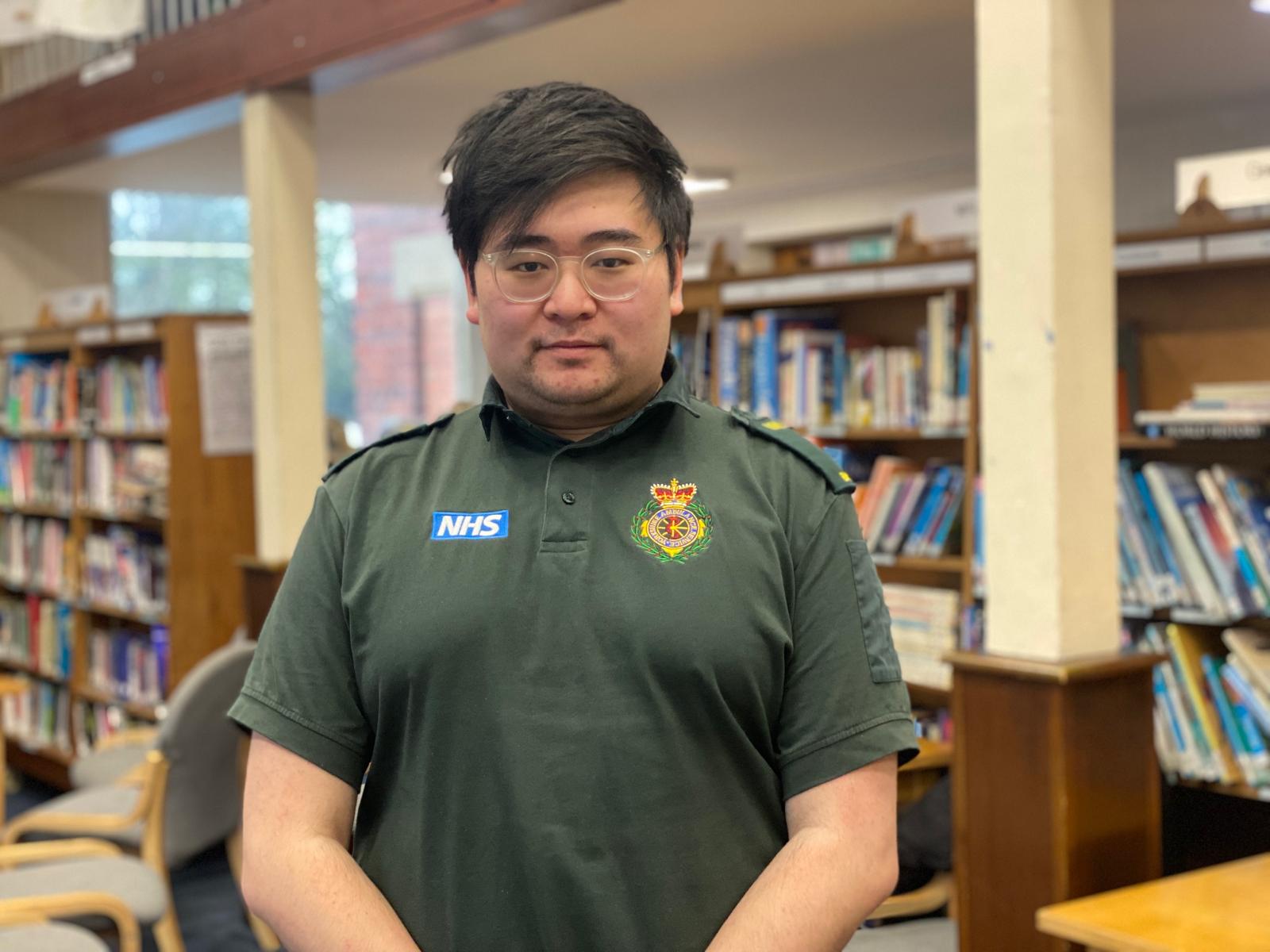
Joshua Ho studied chemistry at the University of Hull after leaving RGS in 2015 and initially worked in retail management before training as an emergency health advisor. He tells us about his demanding but rewarding career and looks back fondly on his time at RGS after attending a number of schools: ‘It was at RGS that I felt the most supported and nurtured in being able to be myself, learn to excel, and to try and strive to be the best student I could be’
Q: Could you give us a summary of your career path since leaving school?
A: After university, I worked in a number of roles primarily within different retail sectors, including fashion and food, and worked my way into management roles. After 2022, I felt the need to have a change of pace, and to really attempt to make a difference, but to use my customer service and team-working skills, and now I work as an enhanced emergency health advisor for Yorkshire Ambulance Service.
Q: What was it that inspired you to follow this path?
A: The ability to make an impact and help people when they most need it.
Q: Can you outline a typical day?
A: It’s a 12-hour shift pattern which typically starts at 6:30am/pm. As soon as I come into work and get set up and logged in, I’m immediately answering emergency calls. How busy it gets depends on the current pressures and incoming call volume, but on average I answer about 40-50 calls on a shift, with one hour’s break time.
Q: What have been the highlights of your career to date?
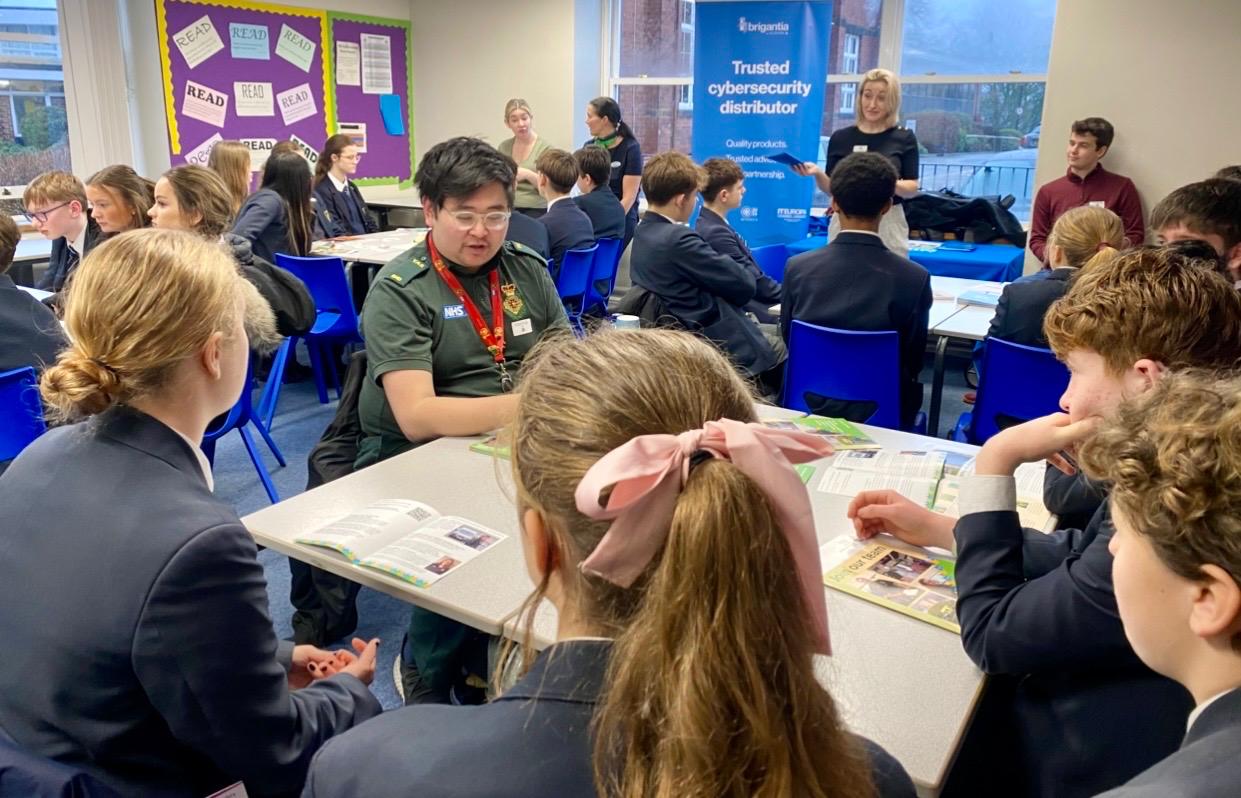
A: I helped deliver a baby successfully over the phone during my mentorship period, which was really challenging, but also an amazing thing to be able to do. Aside from that, having numerous opportunities to take part in outreach and engagement activities, such as careers talks and teaching basic life support skills at schools and to members of the wider public has been incredibly fulfilling. I've always wanted to teach in some capacity, and I think the teachers at RGS were a big influence in that - though sadly I never pursued it, nor had the qualifications for it, so this helps to scratch that itch!
Q: What’s the best bit about your job?
A: It brings me a lot of pride to be able to work for the ambulance service.
Q: And the worst?
A: The stresses at work are numerous and incredibly varied. As much as we do the best that we can as a service, sometimes patients don’t make it. And it’s always something that we’re aware of.
Q: What have been the biggest challenges you’ve faced?
A: This could easily be a long section! Every day is a challenge, since you never know what is waiting at the other end of the line. It could be anything from a paediatric cardiac arrest to a major collision involving multiple vehicles. Navigating these situations calmly, processing the calls in a timely manner and managing a potentially distraught caller is all important, and very tricky.
Q: What was the most important lesson you learnt at RGS?
A: No matter what it is that you choose to do at school, or later in life, as long as you dedicate your time and effort to it, it will all eventually come true. Making mistakes are part of that process, it's doesn't mean it's the end of the road.
Q: What extra-curricular activities were you involved in while at RGS, both in and out of school, and how valuable were they?
A: I was in the photography club at school, which is something I still do as a hobby now, taking street photos, trying to develop my skills for the abstract, and keeping a documentarian flair to my photos. (@5354_photos on Instagram, for anyone interested). Having something I can engage with in my own time, outside work has done wonders for my work/ life balance.
Q: What do you wish you’d known back then?
A: Honestly? That I didn't need to fit a specific mould or try to be like someone else and to constantly compare myself to others. You're the star of your own show, and the choices that you make at school, for a career, affect you the most. I wish I knew to pursue what I really wanted to do, as opposed to trying to appease others.
Q: What was your dream when you were at school?
A: A part of me really wanted to become a teacher! I had a lot of staff at RGS who I especially looked up to, and I moved secondary schools a few times. It was at RGS that I felt the most supported and nurtured in being able to be myself, learn to excel, and to try and strive to be the best student I could be.
Q: What is the one piece of advice you’d give students interested in following a similar career path?
A: Having perseverance is important. With this role especially, you’ll come across difficult situations that you might never have faced before (I still do, after two years in the role). You’ll have days where you might feel as though members of the public are giving you a hard time, and times where you’re just tired after the end of a long week. Being able to persevere through these moments is so important, and it shows a strong sense of character too.
Q: Who was your favourite teacher and why?
A: Dr Linklater, who taught me biology, and was the head of biology at the time. Lessons were always engaging, but aside from that, it was always cool to be able to hear about personal experiences from teachers about their career progression, and their life at university. That being said however, it is so difficult to pick favourites! Mr Bob will always be an iconic part of RGS, as is Mr Fell, Mr Duckworth who taught me GCSE art... Mr Bruce who taught history, Mr Fearnley who taught me English literature...
Q: Who or what inspired you when you were at school?
A: I might not remember a great deal of it now, but having school assemblies was some of the more inspiring aspects of school life. Honestly!
Q: What would you say has been your greatest success?
A: Being where I am currently, being in a respectable job role that allows me the freedom to teach others important skills and engage with the local community - I’d say this is the best period of my life so far.
Q: And biggest disaster?
A: I unfortunately never completed my studies at university, and I did try a second time a few years later with the same result. Whilst I do regret it, I understand now that it’s not the end of the road, and I’ve managed to make the best of my circumstances along the way.
Q: What are your hopes for the future?
A: I don’t have any solid plans, but I would eventually like to move to an ambulance despatch role, which involves the allocation of resources and management of ambulance crews more.
Q: What do you miss most about Ripon?
A: The slower pace of life, I think. Whilst Ripon may be a city, it's far and away from being the packed concrete jungle that other cities are like. Life was easier in Ripon, everyone knew one another, was kind to one another, and I love that.
Ripon Grammar School, 16 Clotherholme Road, Ripon, North Yorkshire, HG4 2DG
Tel: 01765 602 647
E: admin@ripongrammar.com


