




The girl power driving Katie to create change

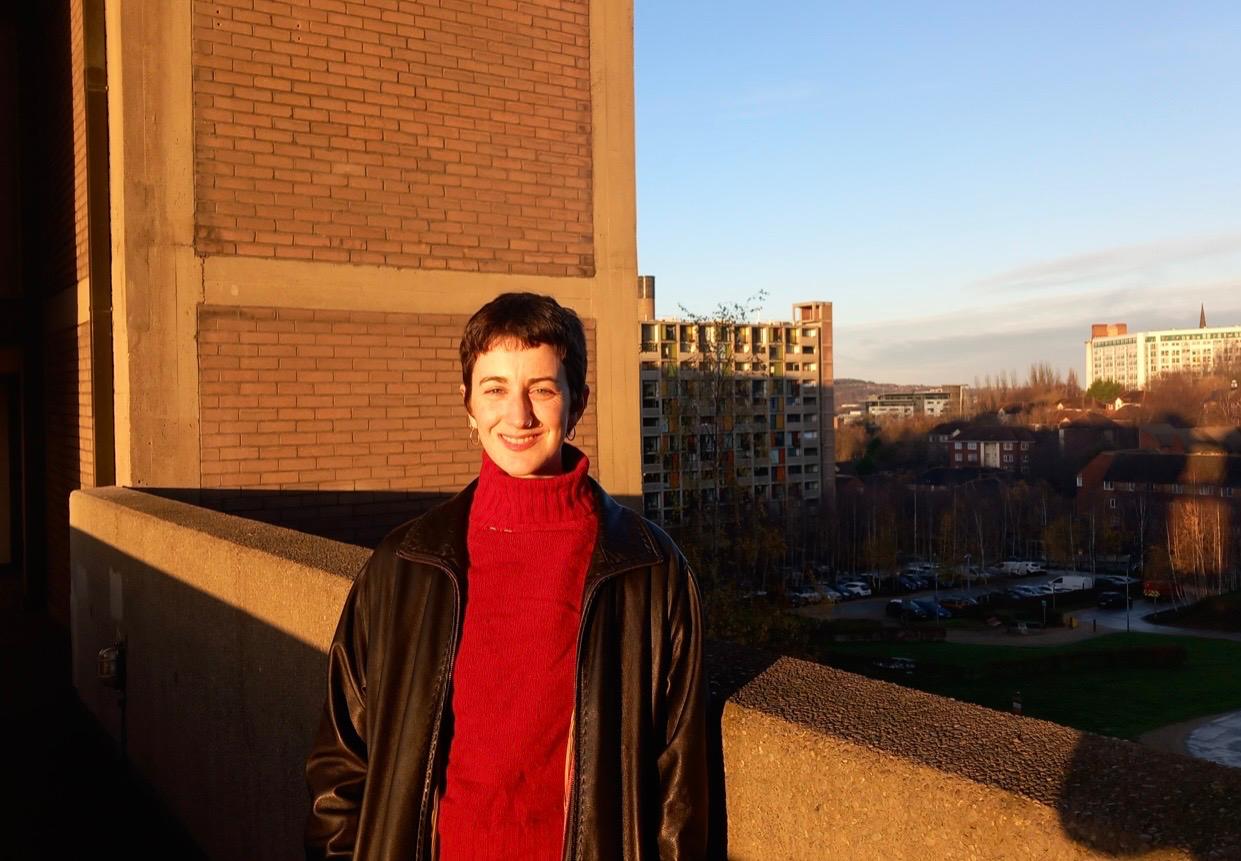
Katie Veitch, who left RGS in 2017 and studied theology at the University of Cambridge, now works for a grant-making charity which aims to help make the UK a fairer, safer place for women and girls
“I always knew I wanted a job which felt like it had a positive impact in the world. I’m passionate about gender inequity and really inspired by the power of women and girls to create change,” she says
The most valuable thing she learned at RGS was the ability to write with conviction and develop her own arguments: “That was thanks to some inspiring teachers who valued good discussions and encouraged thinking critically. These skills were really important at university and in life since.”
Q: What did you do immediately after leaving university?
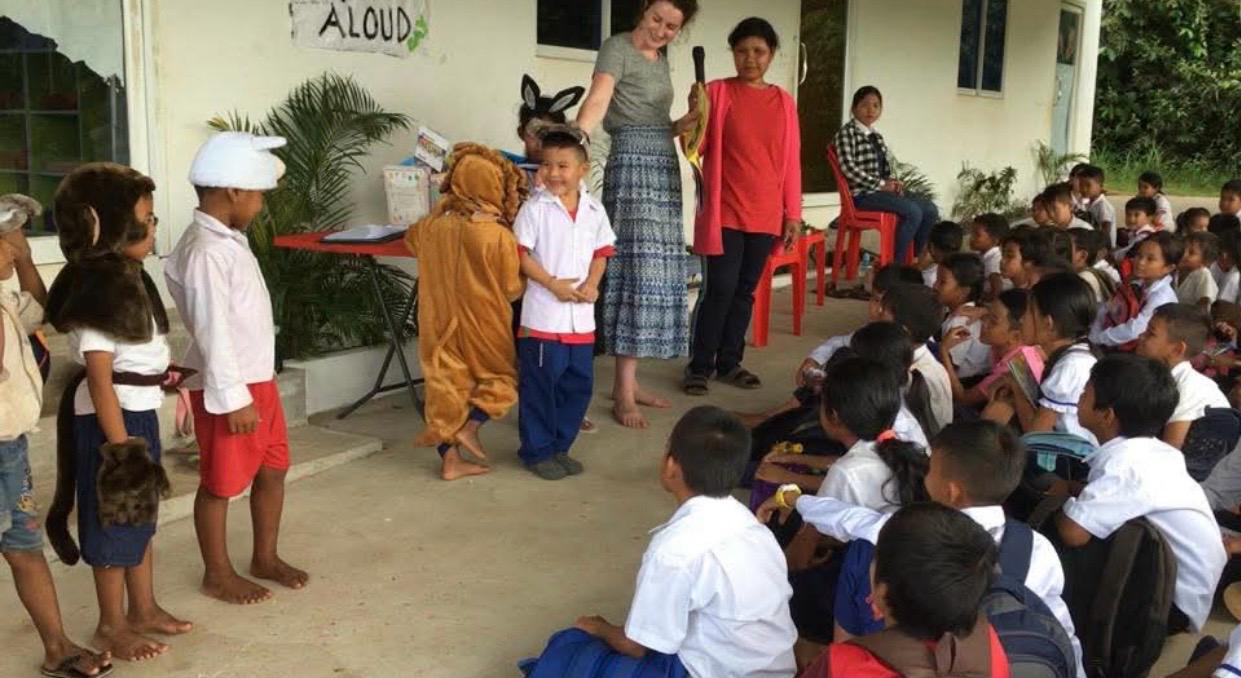
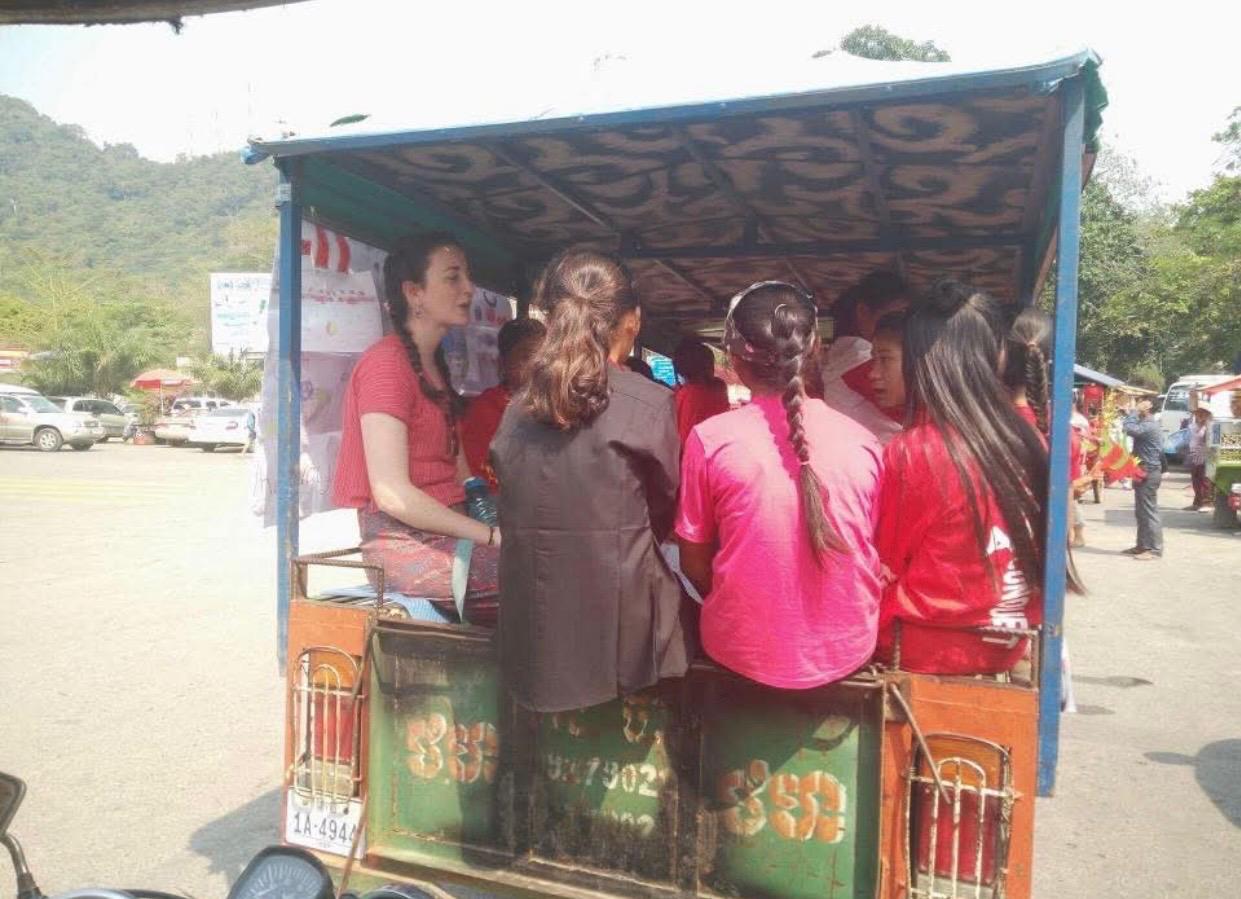
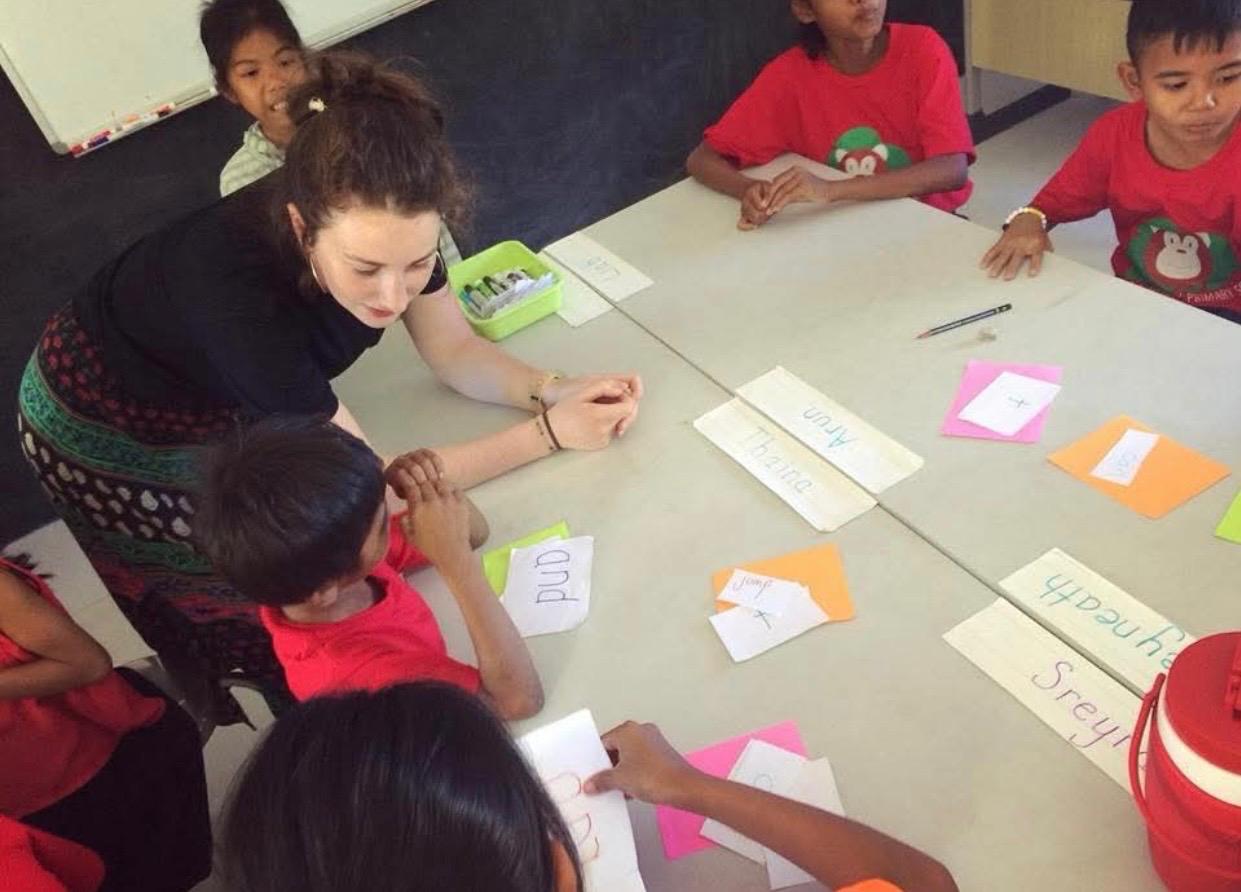
A: After my undergraduate degree, I stayed on at Cambridge to do a master’s degree in religion and conflict. I got to study some fascinating topics – for example, looking at Islamophobia within British counter-terrorism policy. My thesis research was in religious peacebuilders in Cambodia after the Khmer Rouge regime. I got to go back to Cambodia – where I spent a gap year teaching English as a second language - to visit some fascinating video archives and speak to some monks involved in peace projects, which was amazing.

After graduating, I got a place on the Charityworks programme, which is the UK not-for-profit sector’s graduate scheme – you’re placed in a charity job for a year, and do a leadership qualification alongside. I was placed at the Sainsbury Family Charitable Trusts, which is a collective of philanthropic foundations set up by members of the Sainsbury family (of supermarket fame – though sadly they don’t run the supermarket anymore, so no discount on my shopping!) The Trusts are collectively the largest philanthropic funders in the UK and fund an amazing range of charitable causes – including climate action, arts and heritage, disability justice and lots more.
I was offered a permanent job at the end of my placement, and my role was to do research for the different Trusts – looking into the kind of projects they might fund, and the impact of the funding – and to support on grant-making. I got some really varied experience – from research around large grants to famous cultural institutions like the Sainsbury wing of the National Gallery, to small but incredibly impactful grants to grassroots groups of refugees and asylum seekers.
Q: What is your role now?
A: After three years at the Sainsbury Family Charitable Trusts, I got a job at another charitable funder, the Rosa Fund. Rosa is the UK’s women and girls’ funder – it supports change through funding and connecting women’s and girls’ organisations and doing research.
Q: What was it that inspired you to follow this path?
A: I was drawn to the charity sector because always knew I wanted a job which felt like it had a positive impact in the world. I sort of fell into the funding part of the sector, but I’m now really interested in how philanthropy mobilises resources for social change, and how funders can get better at this. In terms of Rosa, I wanted to work for a feminist funder because I’m passionate about gender inequity and really inspired by the power of women and girls to create change. I’m still figuring out my path and I’m still quite early on, but so far it’s been a really interesting one!
Q: What is a typical day like?
A: I’m part of Rosa’s grants team, so a typical day involves supporting groups who want to apply for funding, or who have already received it. The kind of groups we support are really varied – some are focused on male violence against women, others tackle health inequalities for women, or campaign for changes on issues that impact women and girls.
Examples of the kind of groups Rosa funds include:
*A campaign calling for awareness of the appalling fact that Black women are four times more likely to die in childbirth than White women
*Groups addressing sexual harassment of women on streets and in university campuses.
*An organisation which supports women who have lived experience of the criminal justice system to tell their stories and campaign for better support of women in prison and their families.
Part of my day is usually answering questions from organisations and working on designing good processes which make it as easy as possible for busy small charities to access the funds they need. If one of our funding rounds has recently closed, I’ll be spending time assessing applications to see which ones to recommend for funding. I also contribute to Rosa’s research, which highlights the key issues facing the women’s and girls’ sector.
Q: What’s the best bit about your job?
A: Contributing to supporting amazing women’s and girls’ organisations – and knowing they’ll go on to keep doing crucial work to make women and girls in the UK more equal, safe and healthy.
Q: And the worst?
A: Lots of groups are really struggling now. We’re not able to fund everyone, and the demand is high, so that’s difficult. We are hearing more about the challenges women’s and girls’ groups are facing, particularly from those who work in racial justice and with migrant women, or with particularly marginalised women, due to the rise of the far right in the UK. Many of these groups are experiencing racist and misogynistic attacks – as well as historically being more poorly funded than other groups - this feels dark. Resourcing these groups to continue supporting these women and girls, I think, is more essential than ever.
Q: What was the most important thing you learnt at RGS?
A: The humanities subjects I took for A-level - English, history and RE - really taught me to write with conviction and develop my own arguments – thanks to some inspiring teachers who valued good discussions and encouraged thinking critically. These skills were really important at university and in life since.
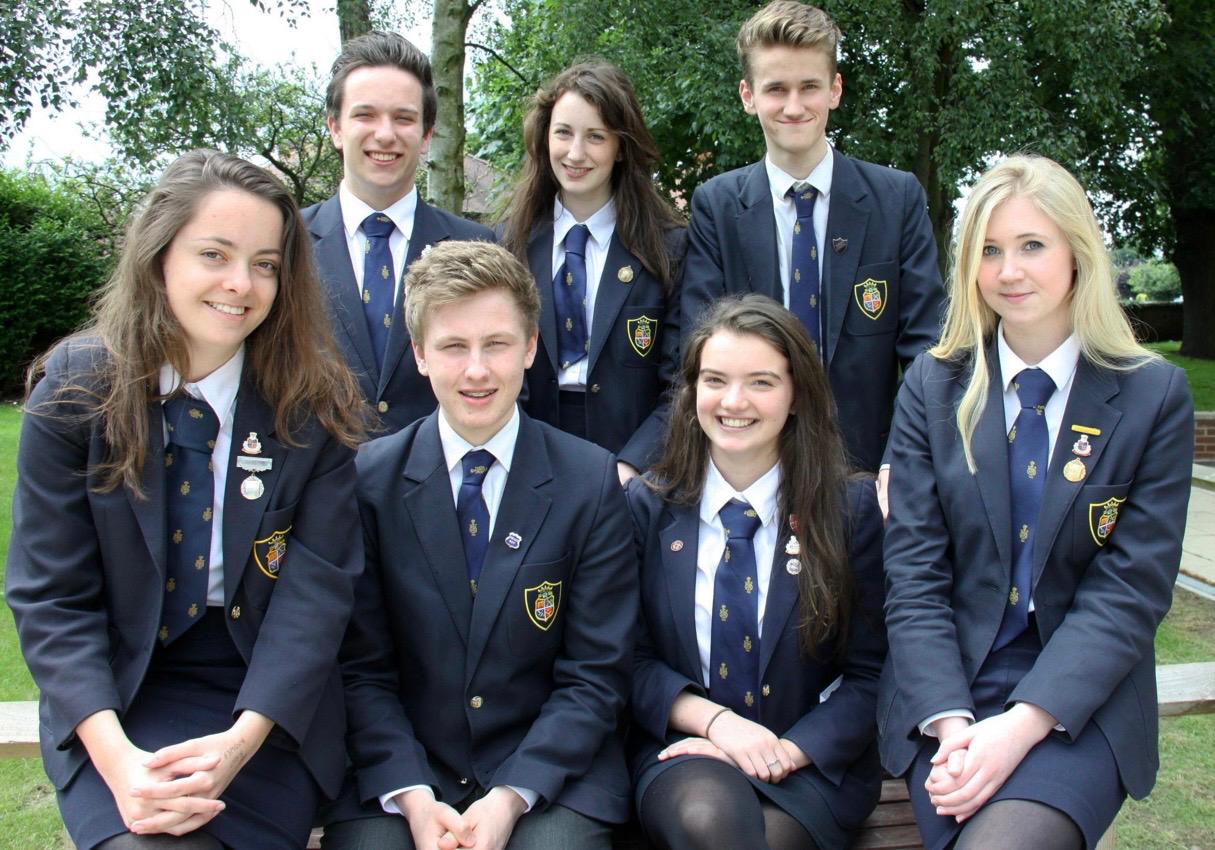
Q: What extra-curricular activities were you involved in while at RGS, both in and out of school, and how valuable were they?
A: I ran Feminist Society when I was in sixth form, which was a valuable experience (I’ve kept learning lots about feminism since then but that was a great start). I was a school officer and loved being part of that group – some great memories of organising charity week events like the staff panto and colour run! I also ran cross country at RGS and at Ripon Runners - I have now run a couple of marathons, so this is still my extra-curricular of choice!
Q: What was your dream when you were at school?
A: I wanted to be a writer. There’s still time I hope..!
Q: What is the one piece of advice you’d give students interested in following a similar career path?
A: The charity sector can be difficult to get started in, as it’s relatively small, and often pay is low. I’d advise keeping an open mind though; many organisations are small, which means you tend to get involved in a bit of everything – a wider range of work than you might in the corporate sector. This means you can quickly learn which bits you might want to pursue – but being open to anything at the start is helpful. Volunteering is also a great way to learn about how charities work and get a wider range of experience.
Q: Who was your favourite teacher and why?
A: I loved Mr Bruce’s and Mr Spiers’s history lessons- both were amazing at making history feel relevant to today. Also, reading Wuthering Heights and A Room with a View with Mrs Mars and Mr Fell are really good memories. And I couldn’t forget Mr Duckworth’s art enthusiasm!
Q: What are your hopes for the future?
A: Personally, I hope to keep trying new things within work, and learning more about the different ways that change can happen. On a wider level, my hopes for the future are for more connection - that those who seek to divide people and to turn us against the most marginalised groups in our society don’t succeed.
Q: What do you miss most about Ripon?
A: I lived in London with friends from RGS for the past few years, so I am lucky to still feel connected to Ripon! But I do miss my wider group of lovely school friends, and the great sense of community and the friendliness of people in Ripon (and running in Studley Royal Deer Park).

Ripon Grammar School, 16 Clotherholme Road, Ripon, North Yorkshire, HG4 2DG
Tel: 01765 602 647
E: admin@ripongrammar.com


