




‘RGS gave me a fantastic grounding and set me up for life’

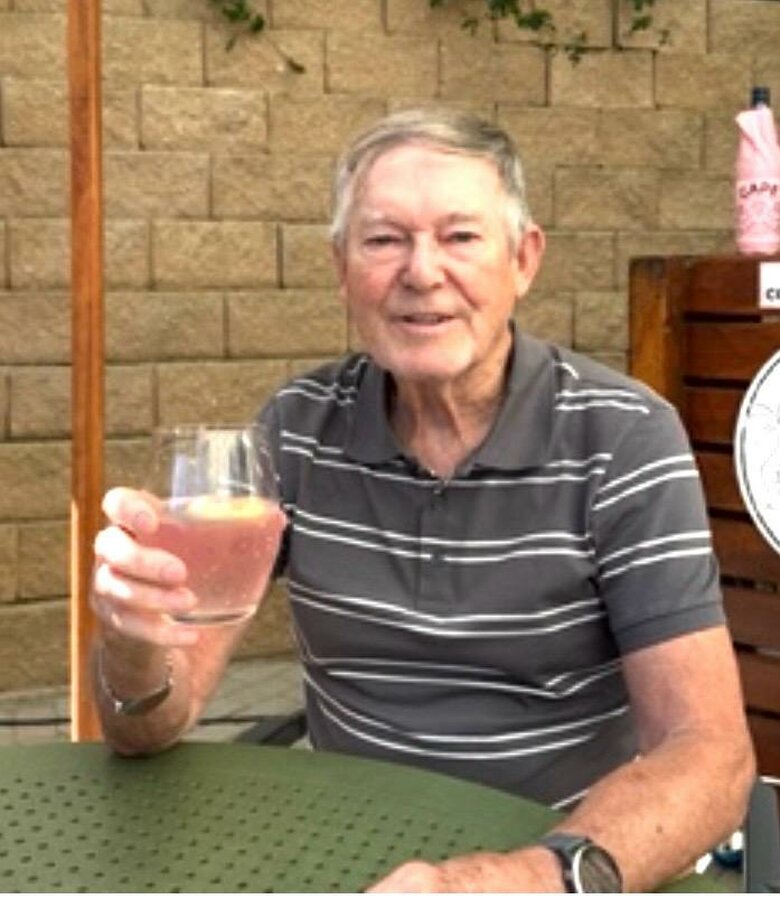
Grahame Jones left RGS after O-levels in 1967 for a career in banking which took him to South Africa where, in his role as a sponsorship manager he met everyone from President Nelson Mandela to top Olympic athletes and musicians like Christ de Burgh
Q: What path did your career take after leaving RGS?
A: I worked for Lloyds Bank until December 1983 - Bury St Edmunds and Colchester branches - and in 1984 emigrated to Johannesburg in South Africa to work for Nedbank (a major SA Bank) after being recruited by them in the UK.
Although my early days with Nedbank focussed on traditional banking, I had a flair for selling and marketing. I was an integral part of a team that started Affinity Banking products (cheque accounts, savings accounts, credit cards and investment accounts) in SA based around sport, environmental conservation and sustainability and arts & culture. This innovative approach led to me heading up a sales department focussing on those three areas.
I was subsequently approached to become the group sponsorship manager. Sponsorship in SA was very new in those days especially following democratisation. Sports sponsorship in particular had a huge focus, not only within Nedbank but other institutions as well. Nedbank’s focus on the Affinity programme gave the bank a strategic focus positioning the brand very well thus enabling product sales to be linked to high profile sponsored events.
Nedbank was a major sponsor of the SA Olympic and Paralympic teams, Sport for Disabled, Super 10 Rugby, athletics including ultra marathons like the Comrades Marathon (approx. 85 to 90kms or 53-56 miles) and the annual Nedbank Golf Challenge held at Sun City.
I was integral to bringing Michael Flatley and Lord of the Dance to SA - their first performance in SA. Flatley came out of retirement especially for the SA Tour.
Music sponsorships included Chris de Burgh, Meatloaf and Julian Lloyd Webber. I was fortunate to be able to meet and interact with many of our sponsorship leading lights.
I very quickly developed a love and focus for disabled athletes through Nedbank’s sponsorship of the SA Paralympic team and sport for the disabled. I travelled with the SA team to the Paralympic Games in Athens (2004), Beijing (2008) and London (2012).
I retired from Nedbank in 2009 aged 59 after 25 years with them, bringing to an end a 40 year career in the corporate world including 16 years with Lloyds Bank.
After retirement I acted as a consultant to the SA Sports Association for Physically Disabled. Working with such wonderful people you very soon learn to judge them on their ability and not their disability.
I'm now a happily retired house husband!
My wife Heather still works as senior office manager for a local firm of auditors. Our eldest son Grant and wife Selina live in Kettering in the UK. Grant has just retired after a checkered career in the British Army.
Our youngest son Gareth is a senior manager for a local major coffee supplier AquaExpresso.
Q: What was it that inspired you to follow this path?
A: Being in the right place at the right time!
When I wanted to leave Ripon, my father agreed providing I had a job. Lloyds Bank were the first company to respond. The opportunity to come to SA was at the right time in my life. Nedbank allowed and encouraged me to grow in a way that Lloyds Bank would never have contemplated. SA banking was a lot less hierarchal and less regimented than in the UK.
Q: Can you outline a typical day?
A: Nowadays being a happy contented house husband, cooking and keeping healthy are two of my main focusses.
Q: What have been the highlights of your career?
A: As described earlier, being given the opportunity to be involved in the SA sponsorship programme when sponsorship was in its infancy. Being heavily involved with sport for the disabled. These gave me the opportunity to meet people and travel. How many non-sportspersons can say they have spent time in a Olympic/Paralympic village? Meeting President Nelson Mandela and other members of the ANC imprisoned on Robben Island as a result of the famous Treason Trial shortly after their release from imprisonment. I was amazed that not one was interested in any form of revenge!
Q: What was the best bit about your job?
A: Meeting people and being innovative. For example the Nedbank Affinity programme, a banking first in SA and the world at the time. Nedbank’s agreement with the WWF was signed on the deck of the Royal Yacht Britannia with HRH Duke of Edinburgh (Prince Philip) in Cape Town.
Q: And the worst?
A: Corporate Politics
Q: What have been the biggest challenges you’ve faced?
A: Emigrating to SA when apartheid was at its peak, an emotional challenge apart from anything else. I came with the outlook of it takes three years to settle anywhere, whether it be changing location or job. Year one you have no real idea of what is going on, year two you have a bit more of an idea and only in year three can you make measured decisions. I have never regretted my decision. SA has given me fantastic opportunities in the 42 years I have been here.
Q: What was the most important thing you learnt at RGS?
A: As a boarder, pride in School House.
It’s only after you leave and look back that you realise what a fantastic grounding RGS gives a person. Not appreciated when there I’m afraid!
Q: What extra-curricular activities were you involved in while at RGS, and how valuable were they?
A: Sport - rugby, cricket and tennis. While not the best sportsman, they served me in good stead after leaving school. I helped found a local rugby club in Suffolk which celebrated its 50th anniversary last year and played cricket for a small local club in the Colchester League.
Q: What do you wish you’d known back then?
A: To have enjoyed the school more - particularly being a boarder.
Q: What did you want to do/was your dream when you were at school?
A: To be a pilot like my father. Unfortunately I discovered I was colour blind which meant being a pilot was not an option!
Q: What is the one piece of advice you’d give students interested in following a similar career path?
A: Enjoy what you do and work to live - not live to work!
Q: Who was your favourite teacher and why?
A: Harry Ken Lock - always enjoyed sport with him.
Mike Wallace – he made physics interesting!
Q: Who or what inspired you when you were at school?
A: Difficult to say. As a boarder, survival was the name of the game!
Q: What would you say has been your greatest success?
A: Being a good husband and father I hope.
Being able to mentor younger bankers who joined Nedbank despite many having come from disadvantaged back grounds. The depth of talent in SA is unbelievable.
Q: What are your hopes for the future?
A: I’m now 75. My folks lived until their 90’s. That means I have 15 years to go to reached 90 - then I will reassess the situation!
Q: What do you miss most about Ripon?
A: Not having been back since 1992, although we have returned to the UK often, visits have tended to focus on family. I forget which year precisely but I was President of the Old Rips association for a year. I regret never having kept in touch with those at RGS when I was there - particularly in the School House.
I envy my two boys and the friendships they have with friends made since primary school.
Q: Plus, of course, anything else you’d like to add!
A: It’s only when you look back as I’m now able to do, to realise RGS was a lot of fun. I know I could have/should have worked harder, perhaps got A-levels and perhaps gone to Varsity. But would I have had such a fulfilling life as I've had - who knows? Deep down, somewhere in my inner core and of course parental input, RGS set me up for life after school and that carried me through to life here in SA.
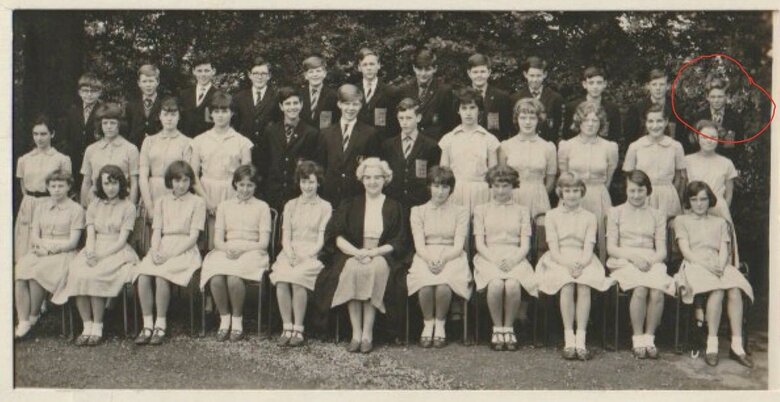
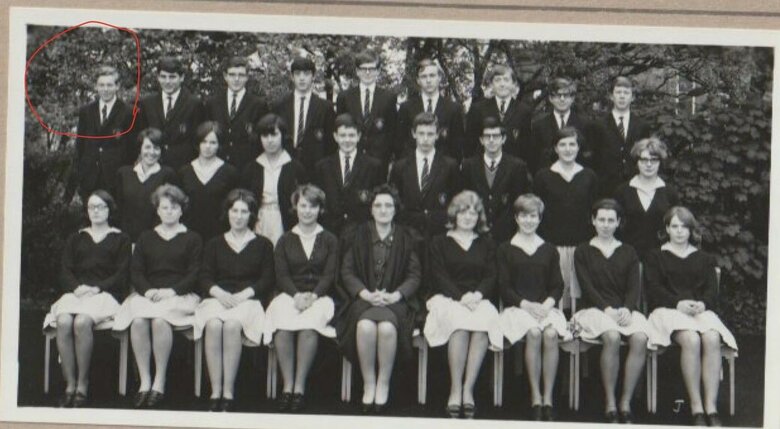
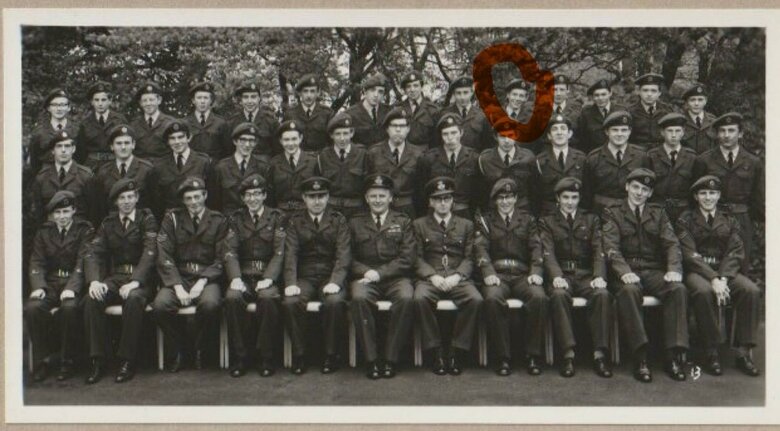
Ripon Grammar School, 16 Clotherholme Road, Ripon, North Yorkshire, HG4 2DG
Tel: 01765 602 647
E: admin@ripongrammar.com


