




SCHOOL TRIPS: Berlin

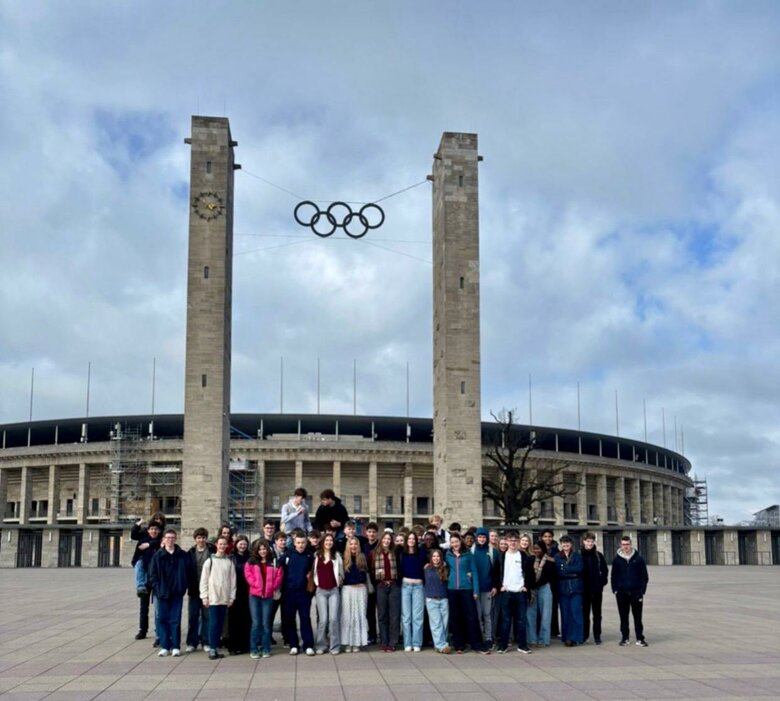
GCSE History students in Year 10 and 11 enjoyed exploring the fascinating but complex history of Berlin, from the rise of the Nazi Party to the Fall of the Berlin Wall, reports WILLIAM PARKES
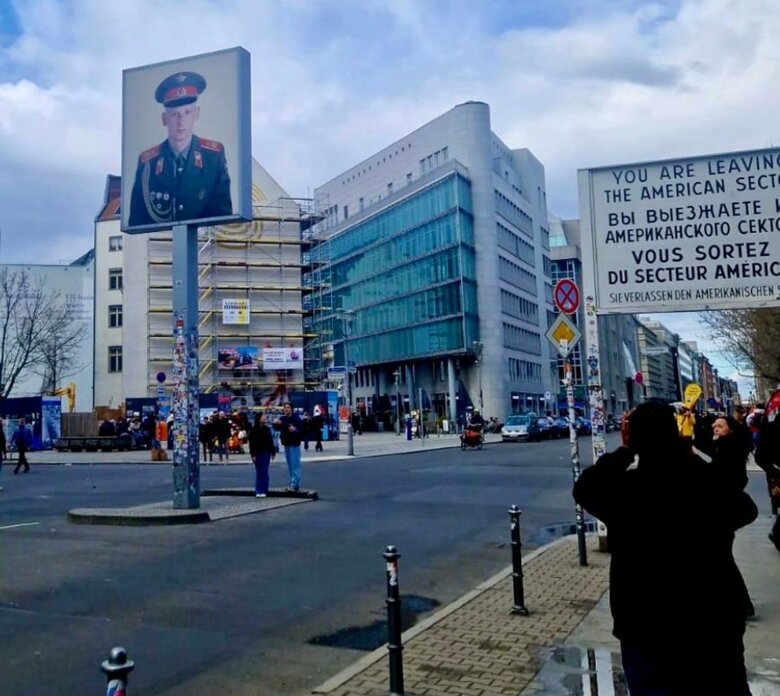
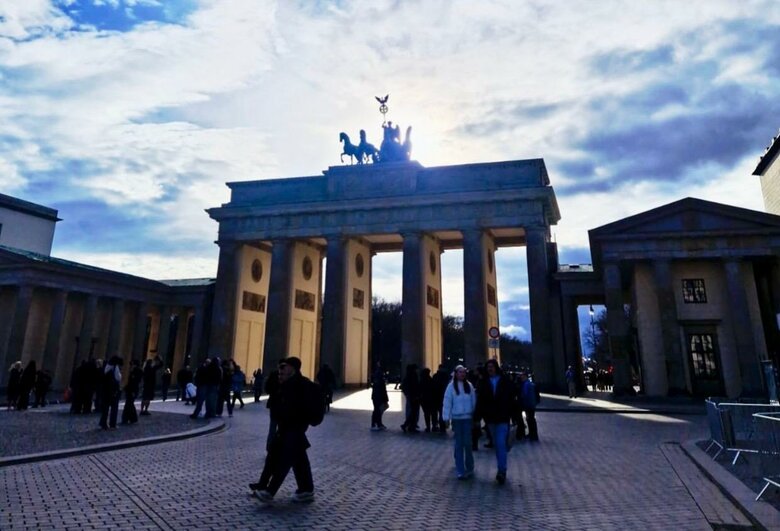
STUDENTS engaged in walking tours on Day 1 to discover key historical sites such as Checkpoint Charlie; a crossing point between East and West Berlin from 1961-1990 that allowed members of the allied forces to cross freely into the different sectors, and The Brandenburg Gate, constructed between 1788 and1791 and was used as a sign of victory against Napoleon. The gate was also made inaccessible during the post-war division of Germany. When the wall fell many people gathered to celebrate together therefore transforming the gate into a symbol of reunited Berlin, and other key sites of historical interest.
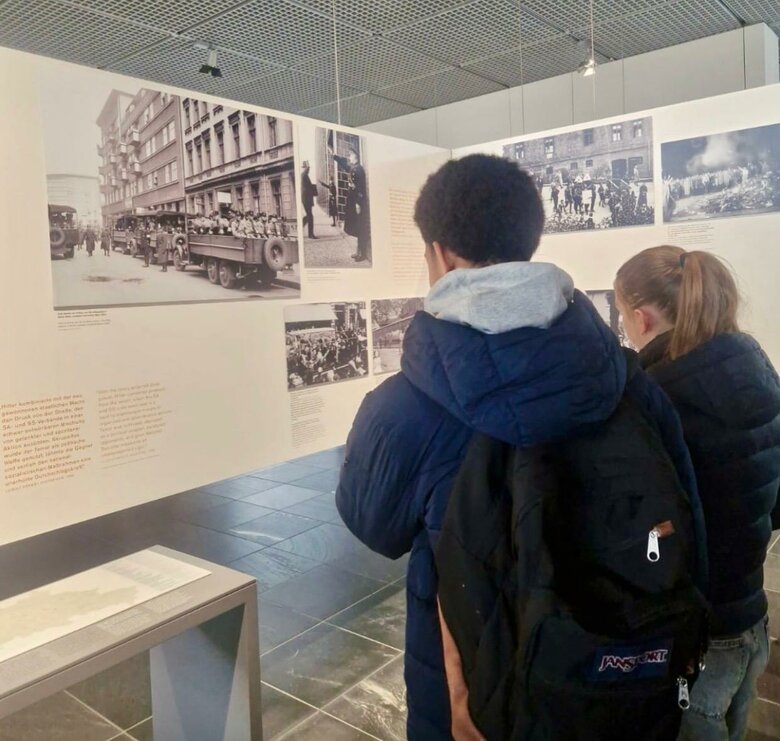
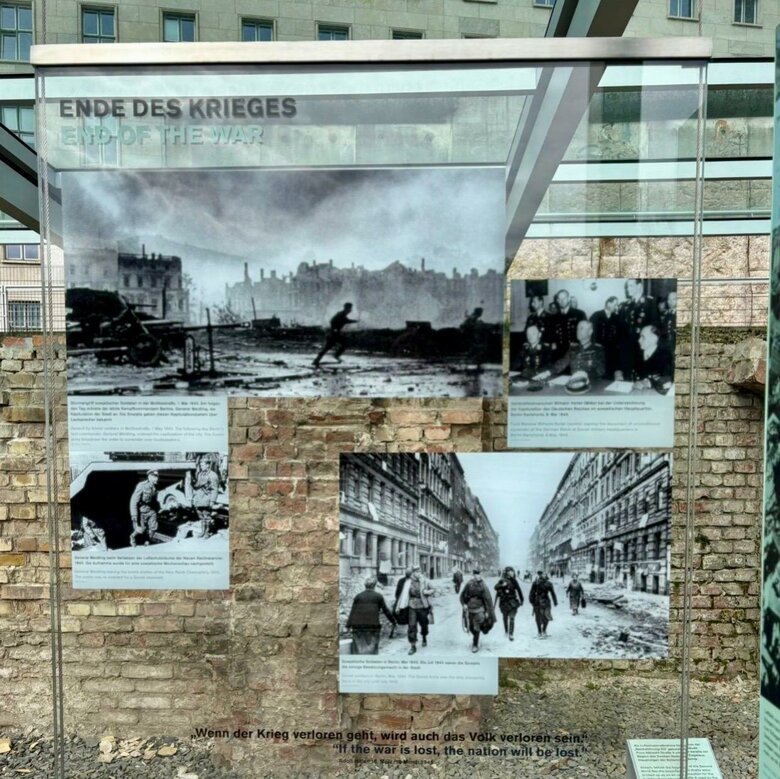
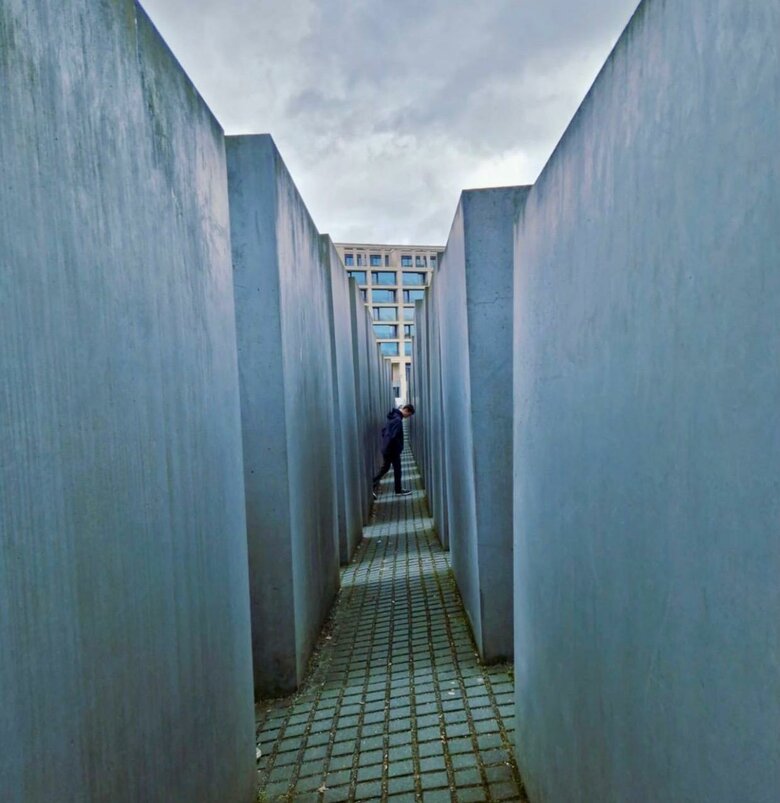
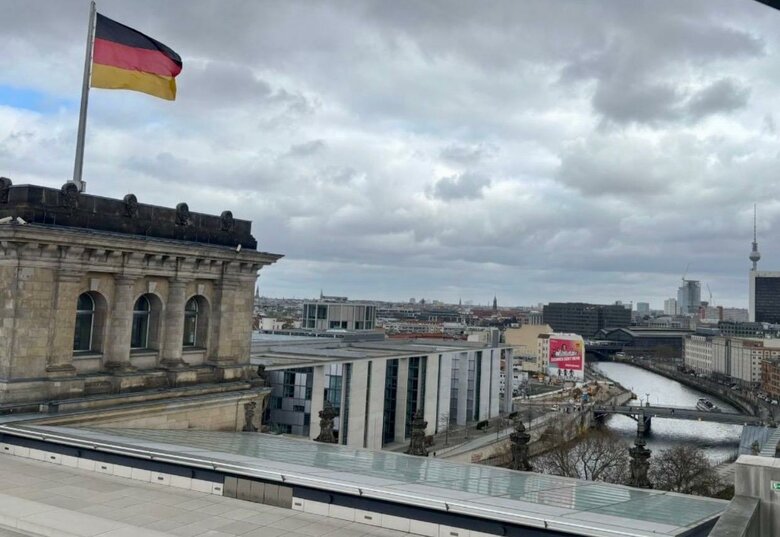
Day 2 allowed students to explore the Reichstag Building, the site of the German Parliament and victim of the Reichstag fire of 1933. The Reichstag was a prime target of air raids during World War II. The dome open to the public offers scenic views of the city! The Memorial to the Murdered Jews of Europe was the next focus; an abstract design is used to create uncertainty and allows the visitors to confront the topic in their own way. A visit to the Topography of Terror followed, this was an insight into the Nazi state, its crimes and perpetrators.
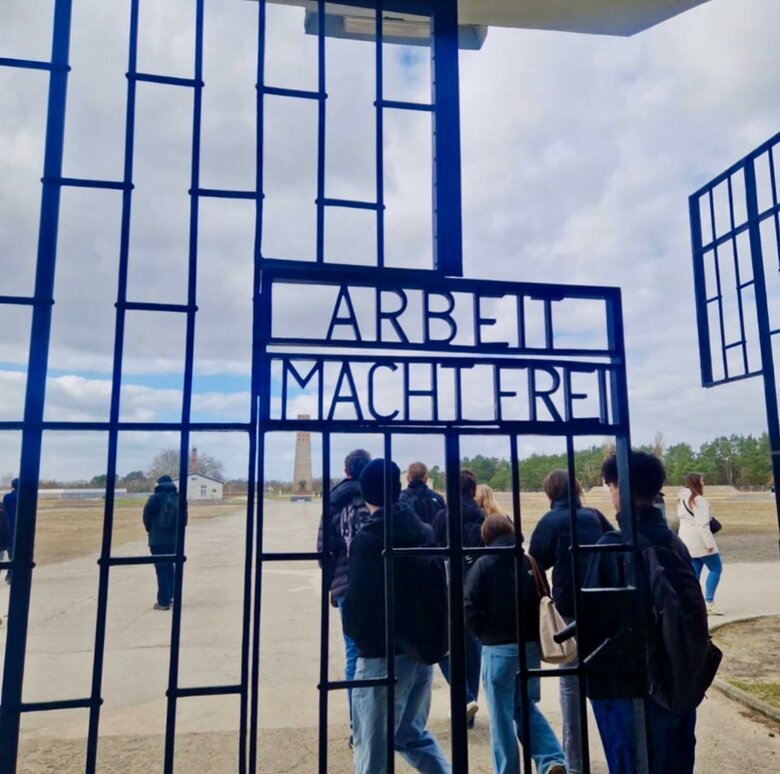
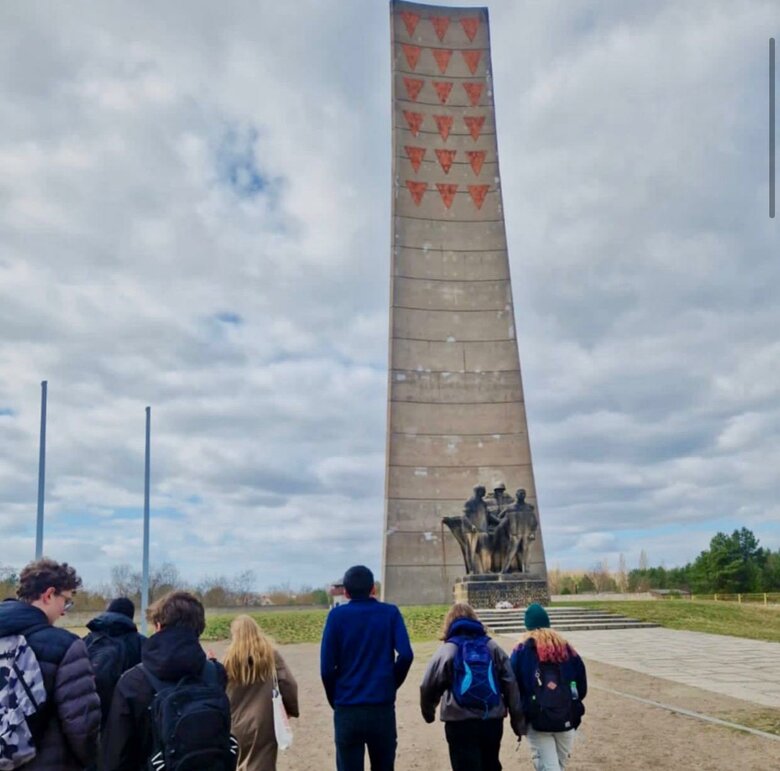
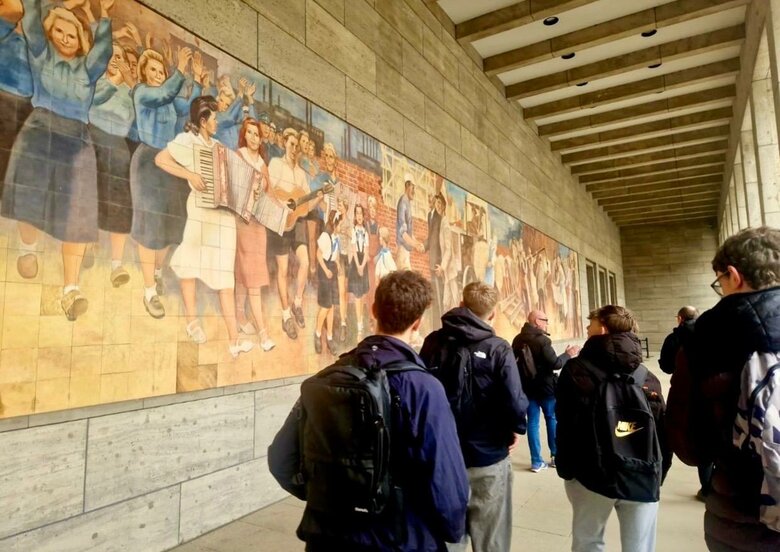
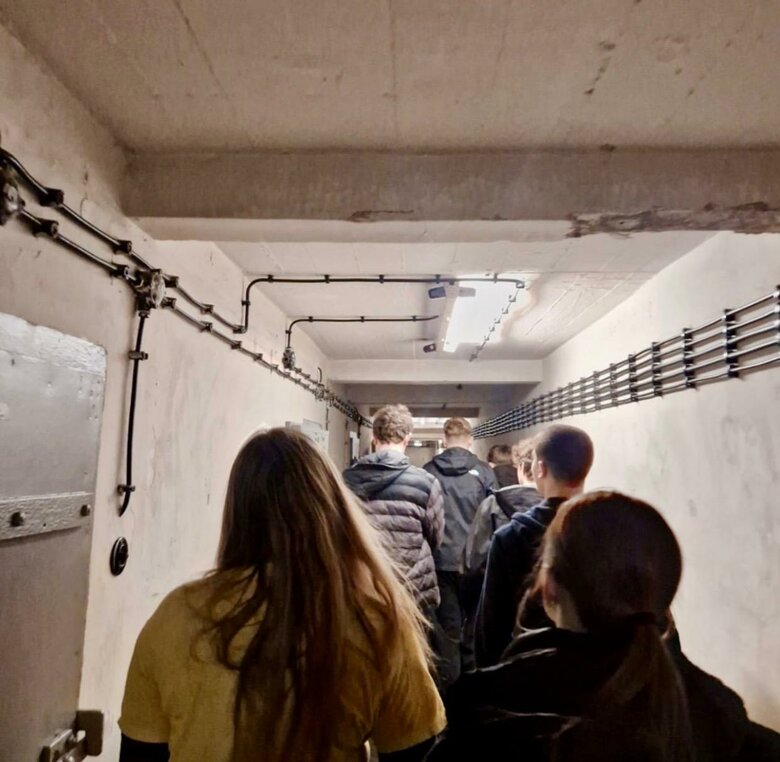
Day 3 took students to a 1936 Olympic Stadium guided tour where they had a chance to visit and learn about the places usually closed off to the public: VIP Areas, changing rooms and right next to the world-famous football pitch. This aided the students' studies about Nazi propaganda and the way the party wished to be viewed internationally. However, at the same time the world had its eyes on the German State, the Nazis were constructing; Concentration Camps like Sachsenhausen, the site of the student’s next visit. Students took part in a guided tour of the camp and learnt about the horrible ways more than 200,000 people were kept and forced into labour between 1936 and 1945.
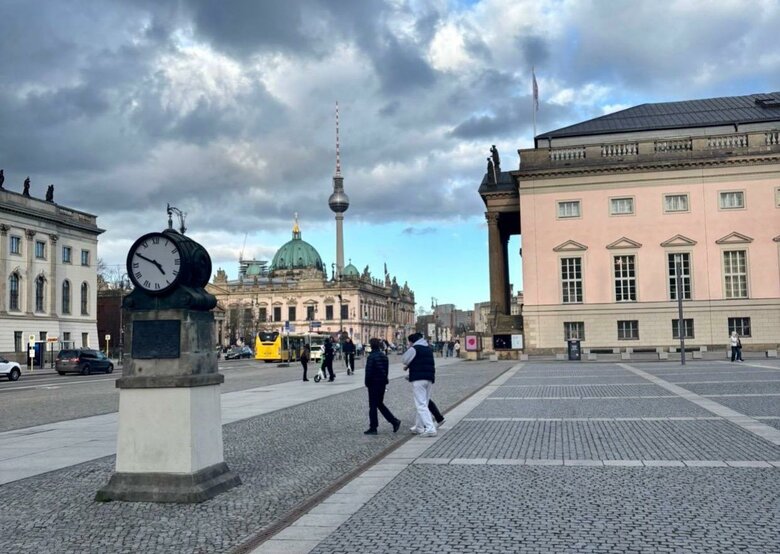
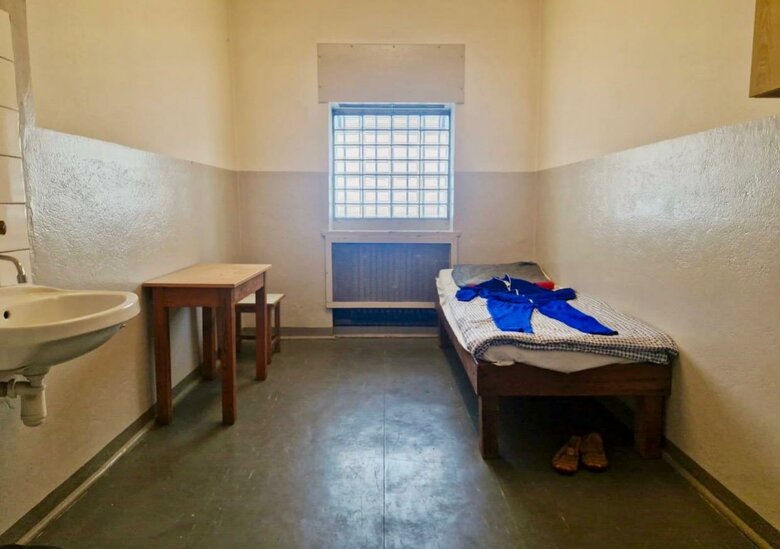
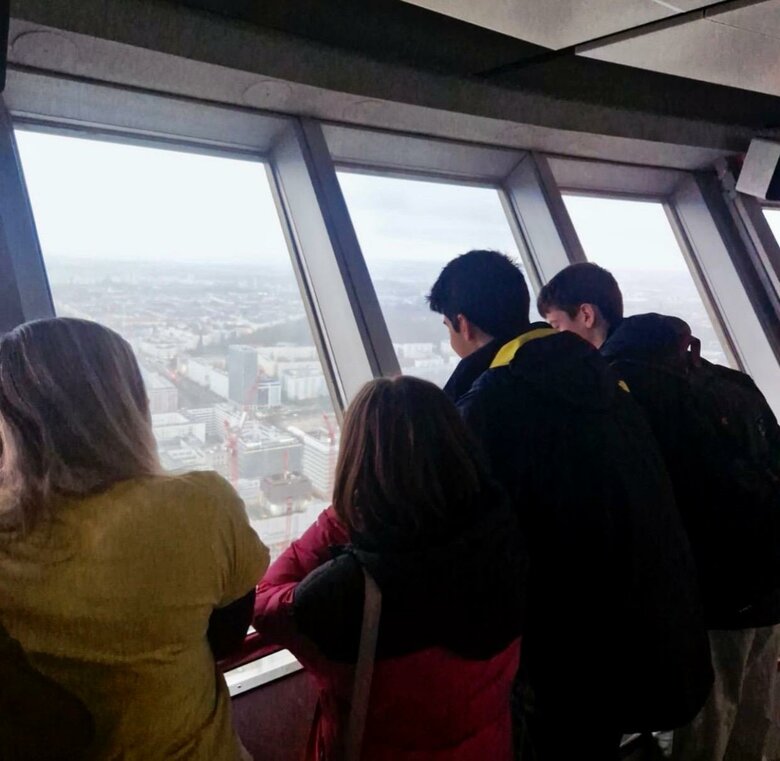
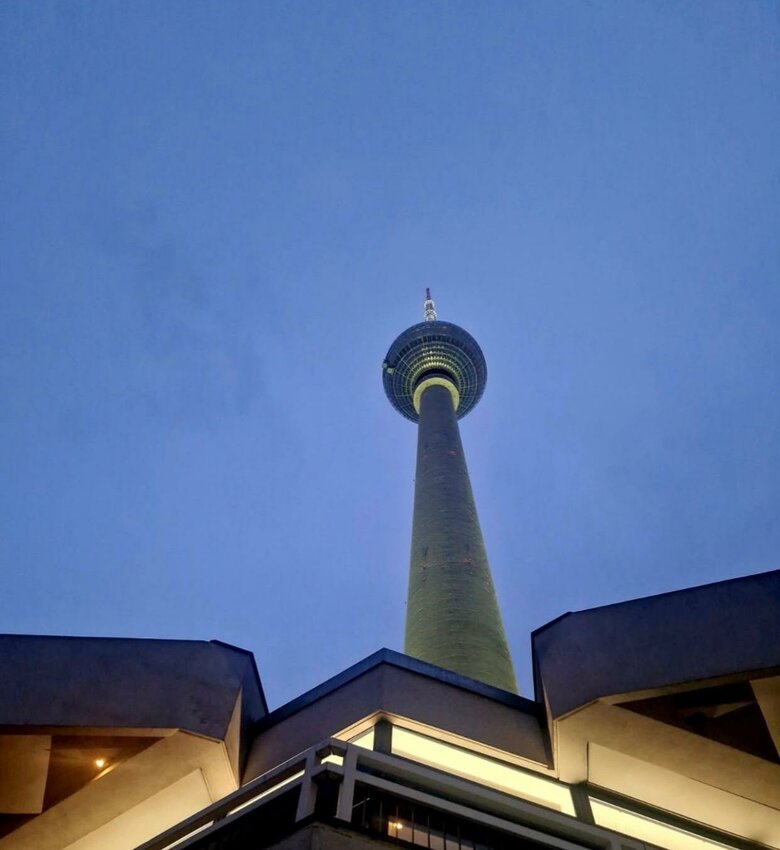
Day 4 explored the Stasi Museum which emphasised how oppressive authorities, like the Stasi, worked to torture and dehumanise prisoners who were deemed political opponents: Nazis, members of democratic parties and even Soviet officers who were not loyal to their regime. This visit delved into the ways people were physically and mentally tortured across its different uses from 1945 until its closure in 1990. The afternoon then unfolded with many activities in Alexanderplatz, such as an amazing hands-on experience at the DDR museum, a trip up the Berlin TV Tower to a 203m above ground viewing platform, which allowed students to view all the sights previously explored from above, and a walk around the reconstructed medieval quarters of Berlin including ruins of the Franciscan monastery founded in 1250.
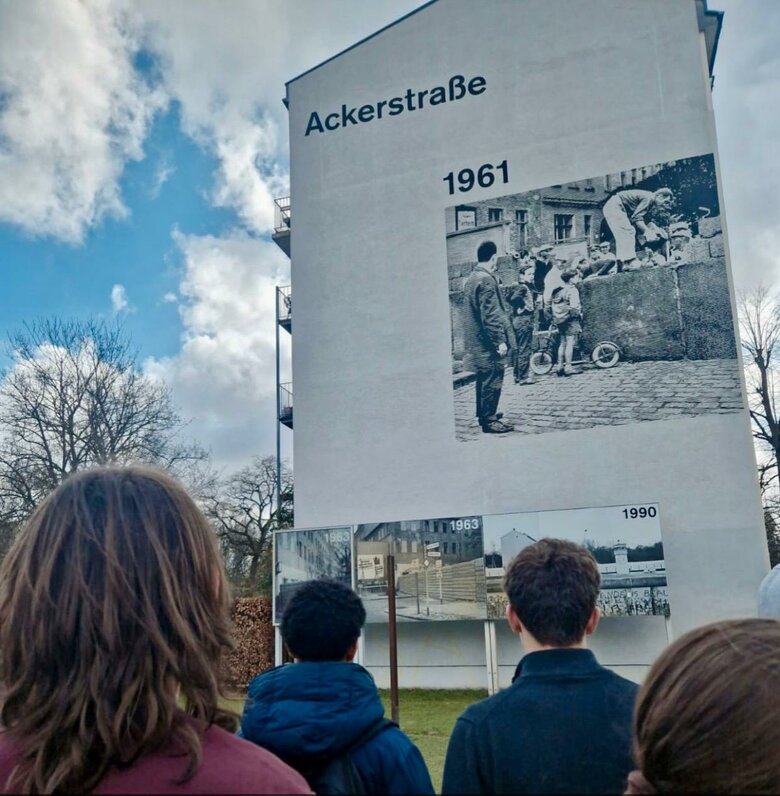
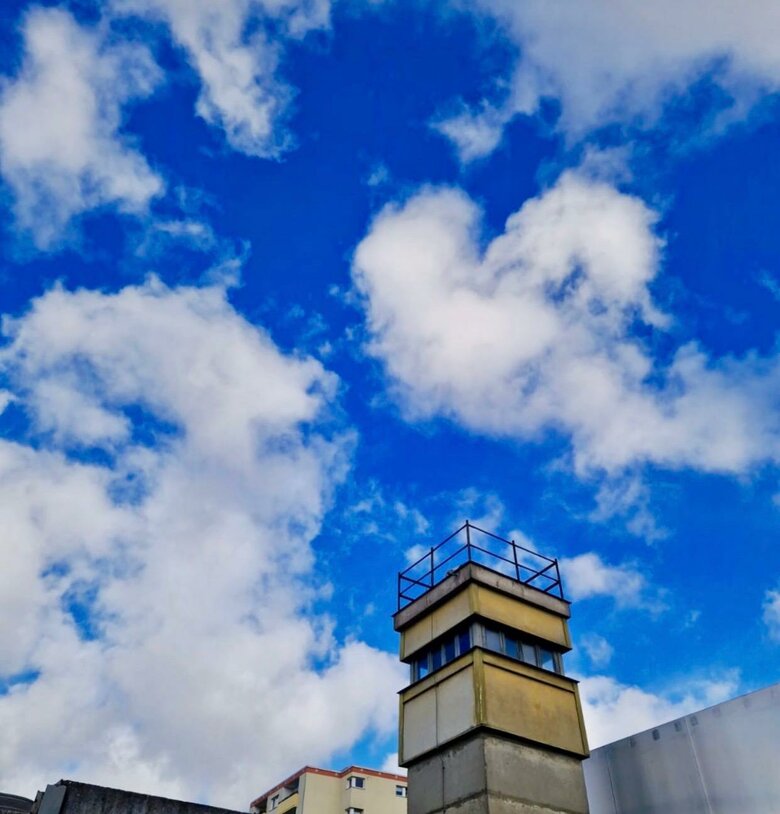
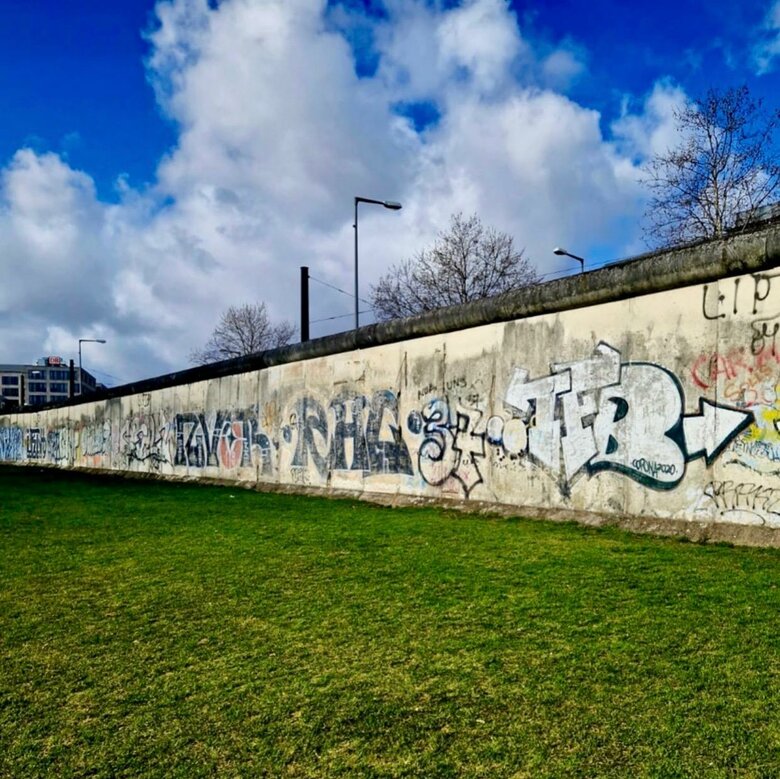
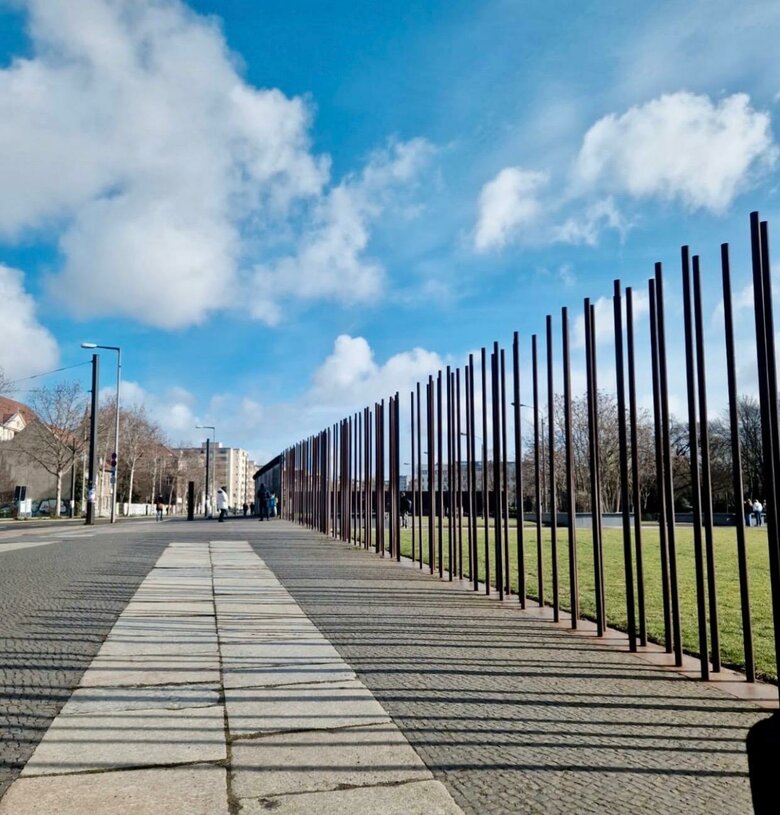
The final day, Day 5, included a guided tour to a small area of the Berlin Wall that was still intact, the stories of people trying to cross the wall, and even a reconstructed view of what the area between the walls would have looked like.
Head of history and trip organiser, Judi Fell, said “Immersing yourself in history and culture through visits to historical sites offers a more direct, tangible way to connect with the past. By standing where events unfolded and walking in the footsteps of historical figures, history becomes more real and meaningful than it can ever feel in the classroom.
“For us as teachers, they also offer a different insight into you as students - personalities come out more, and enthusiasm and curiosity is allowed real space to emerge. We were all so impressed by the students - adapting to a different environment, sometimes surviving on very little sleep, and coping with a lot of walking!”
Ripon Grammar School, 16 Clotherholme Road, Ripon, North Yorkshire, HG4 2DG
Tel: 01765 602 647
E: admin@ripongrammar.com


