




The social media switch off

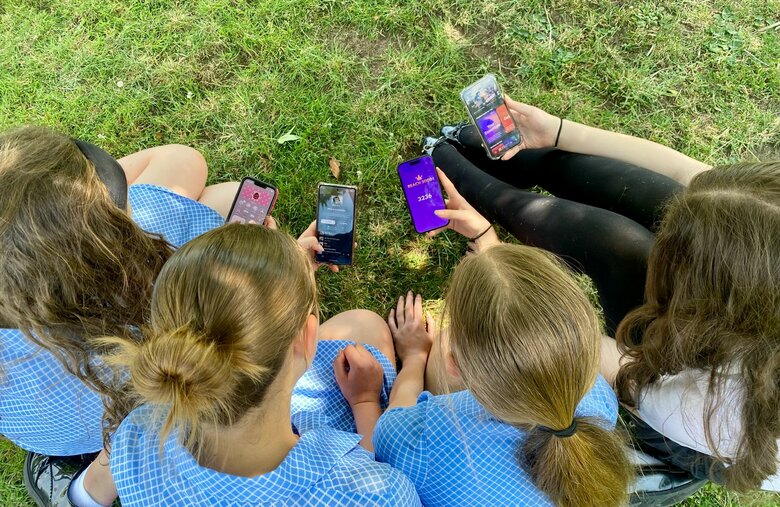
Student reporter WILLIAM PARKES spoke to RGS students and headmaster Mr Webb to discover their views on how the proposed social media ban could affect learning, friendships and daily life
THE government has announced plans to ban under-16s from accessing social media platforms from spring 2027, a proposal aimed at reducing the negative effects that social media can have on young people’s mental health, concentration and wellbeing.
If approved, it could make platforms such as Instagram, Snapchat, TikTok and, potentially, YouTube inaccessible to most young people.
However, there are still many questions about how the ban will work in practice and whether it will create more benefits than problems.
How will the ban work?
Under the proposals, social media companies would be legally required to stop users under the age of 16 from creating or using accounts on certain platforms. Companies would have to introduce stricter age-verification systems, such as checking official identification documents or using secure technology to confirm a user’s age.
Platforms which fail to enforce the rules could face significant financial penalties. While educational content may still be available, there is ongoing debate about whether sites such as YouTube should be fully included, as many students rely on them for revision and independent learning.
The legislation is expected to be introduced gradually, with the changes likely taking effect in Spring 2027, giving schools, parents and technology companies time to prepare.
Students’ views
I spoke to students across Years 7 to 10 at Ripon Grammar School, many of whom will be affected by the proposed ban.
It is clear the ban could have a significant impact on young people in the future. However, what is less clear is whether the changes will ultimately be for the better or for the worse.
Year 10 student Lena Nowaczek said:
“I personally think that it will benefit the younger years as they will be more present, and relationships could improve as standards would be very different without the constant pressure of social media. However, I think that the ban of YouTube for students could be difficult as I personally love Cognito videos and they help me enhance my knowledge and I think they really help students learn.”
A Year 9 student said:
“I’m quite happy about the social media ban because it means I can have a real conversation with my friends without a new trend in it that I don’t understand.”
Headmaster’s view
Ripon Grammar School’s headmaster Mr Webb reflected on how the ban could affect students at RGS:
“I would broadly support some form of social media ban up to 16. But it is probably too much to expect that it will wind back the clock, dreaming of a nostalgic age, to when the school day ended at 4pm, students went home to the family evening meal, did their homework and then perhaps ‘played out’ for hours on end in the wholesome fresh air.
“Was this earlier time an age when there was no ‘fear of missing out’, no fear of social exclusion or when no one was the recipient of cruel messages? Well, maybe not, and no doubt growing up in an age without social media had its own pressures. But I can’t help but feel something has been lost from being young and something ugly has been put in its place by social media.
“Will a social media ban be the answer to all things? No, it won’t. The planning behind the legislation will need careful thought. For example, a ban on access to YouTube could potentially deny young people access to a wealth of educational material. And who is to say that some online communication is not a good thing if it can also bring people together and help share information about home learning, for example?”
Conclusion
Students at RGS already have mixed opinions about how the ban could affect them and their peers. Will it lead to a cultural reset, making it less acceptable for young teenagers to spend large amounts of time on social media? Or will it create new challenges that outweigh the intended benefits?
Only time will tell.
Ripon Grammar School, 16 Clotherholme Road, Ripon, North Yorkshire, HG4 2DG
Tel: 01765 602 647
E: admin@ripongrammar.com


